AQA A Level Chemistry复习笔记8.2.1 Required Practical 11
Required Practical 11 Required Practical 11: Carry out simple test-tube reactions to identify transition metal ions in aqueous solution This practical covers a number of key laboratory skill...
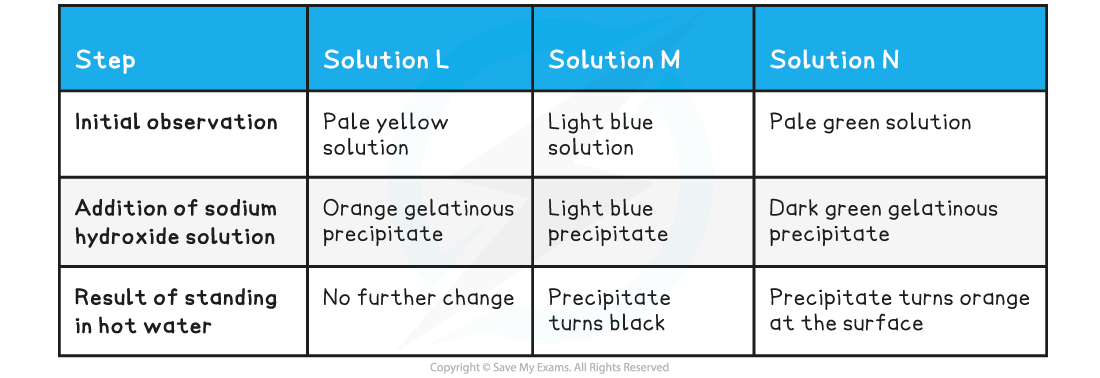
Required Practical 11 Required Practical 11: Carry out simple test-tube reactions to identify transition metal ions in aqueous solution This practical covers a number of key laboratory skill...
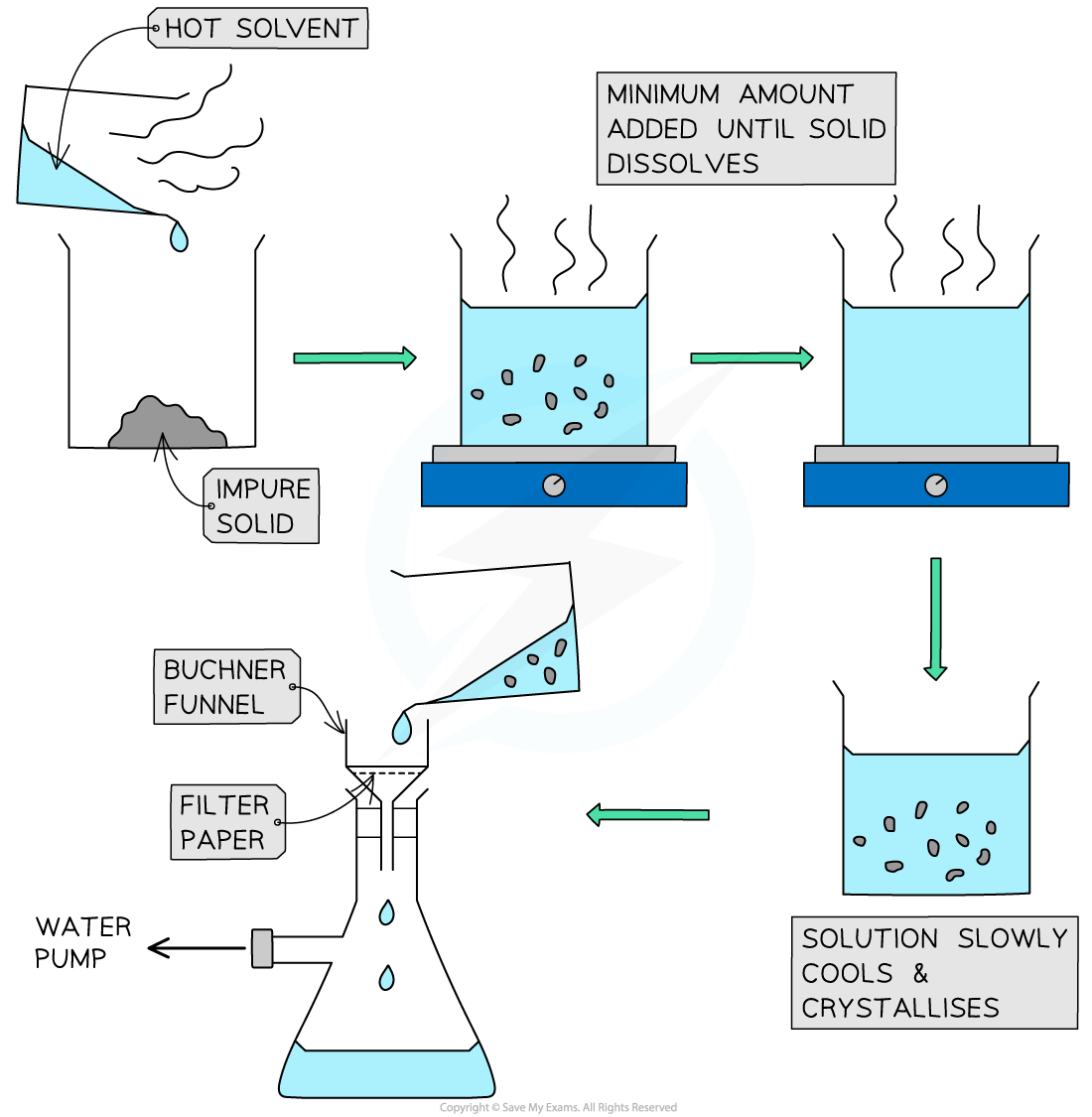
Introduction to required practical 10a Required Practical 10a: Preparation of an organic solid and a test of its purity This practical covers a number of key laboratory skills use appropriat...
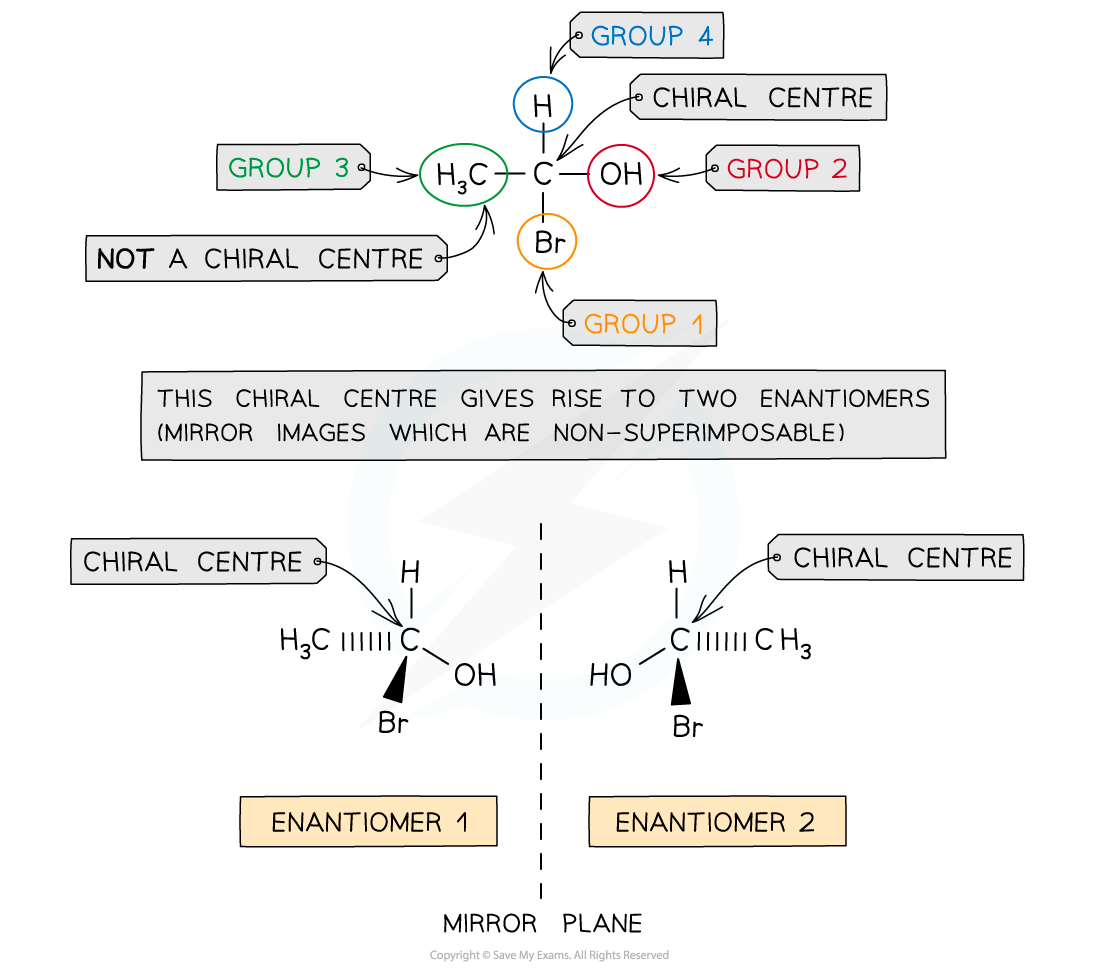
Optical Isomerism Optical isomerism Stereoisomers are molecules that have the same structural formula but have the atoms arranged differently in space There are two types of stereoisomerism ...
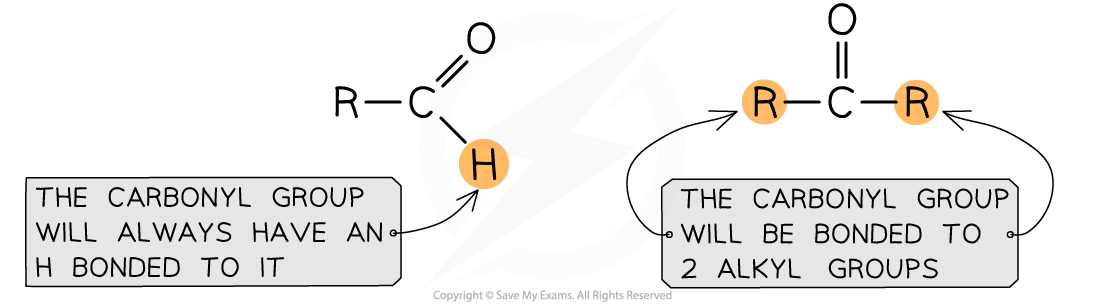
Oxidation of Aldehydes Aldehydes and ketones contain the carbonyl functional group, C=O This is why aldehydes and ketones are also known as carbonyls The difference between aldehydes and ket...
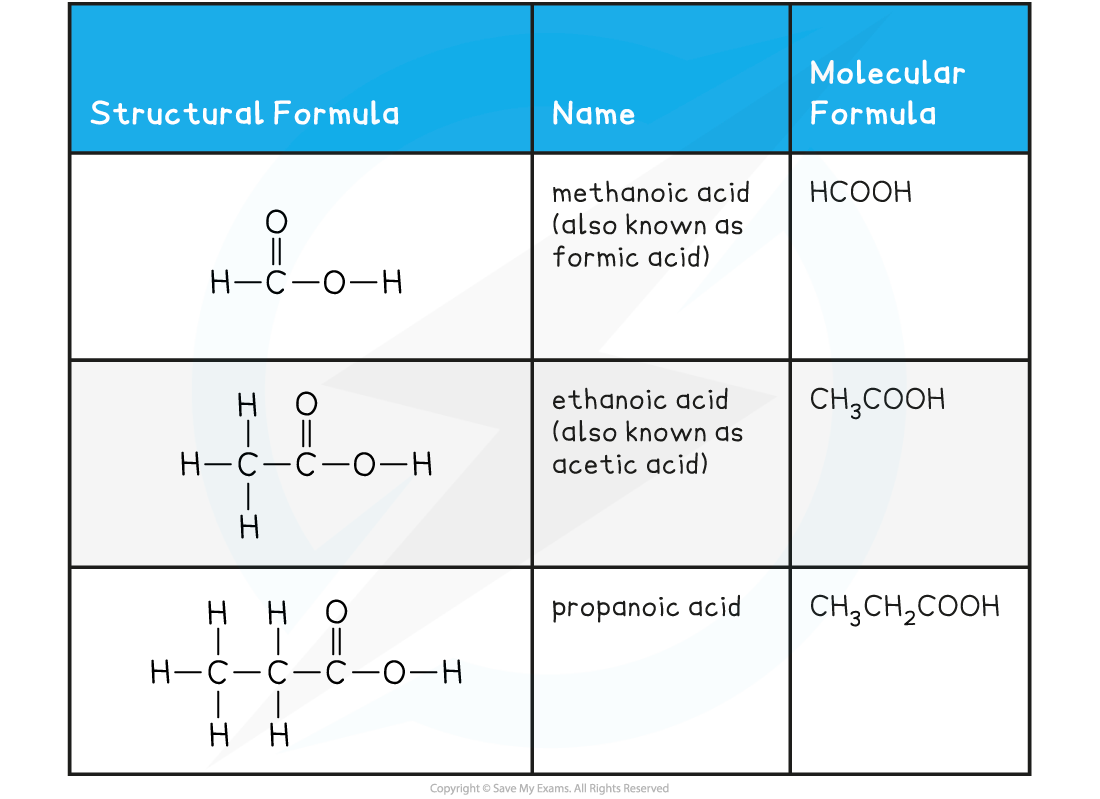
Carboxylic Acids Carboxylic acids Carboxylic acid is the name given to the family of compounds that contain the carboxyl functional group, -COOH The general formula of a carboxylic acid is C...
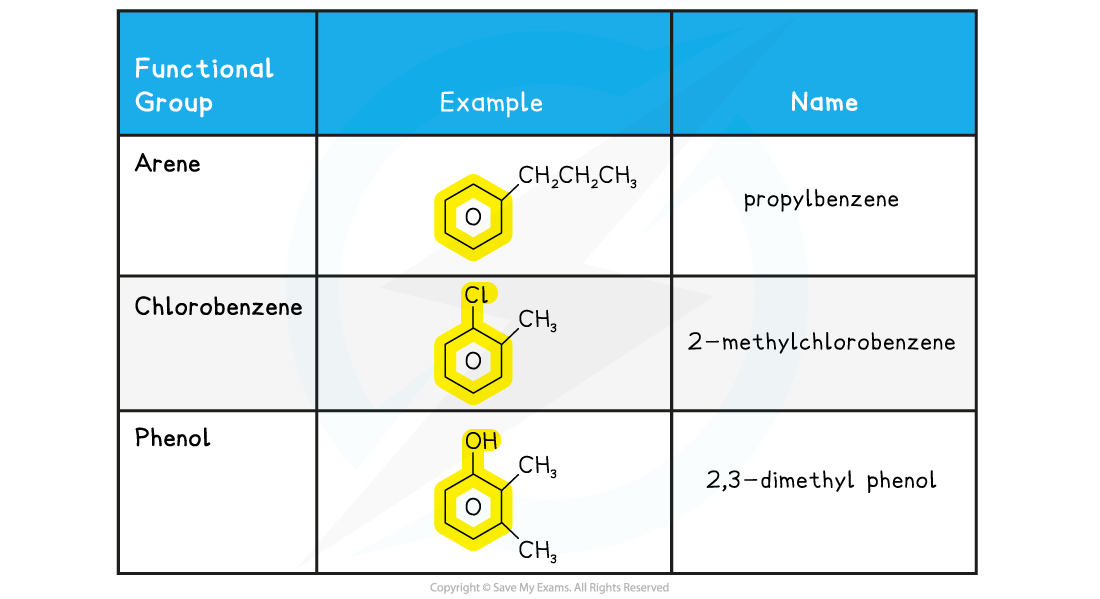
Structure of Benzene In normal, everyday conversation the word 'aromatic' is used to refer to pleasant, fragrant smells However, in chemistry, it is used to describe molecules that contain o...

Aliphatic Amines Amines Amines can be thought of as derivates of ammonia, in which one or more of the hydrogens is replaced by an alkyl or aryl group The number of substituted hydrogens is t...
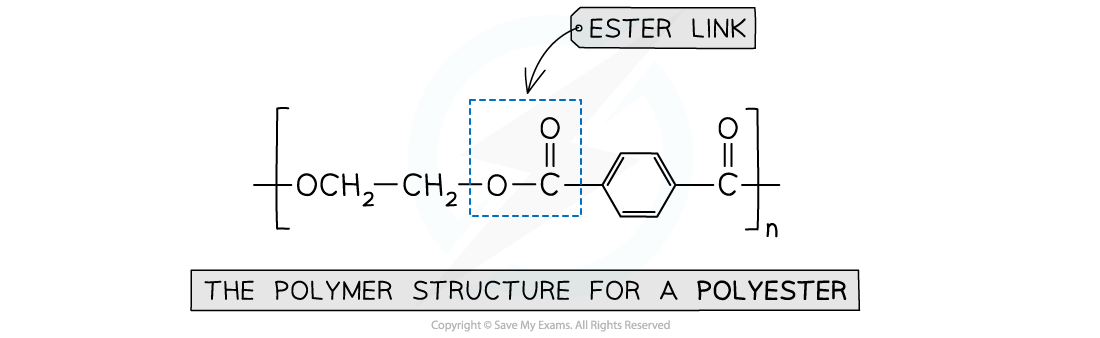
Condensation Polymers Addition polymerisation has been covered in reactions of alkenes They are made using monomers that have C=C double bonds joined together to form polymers such as polyet...
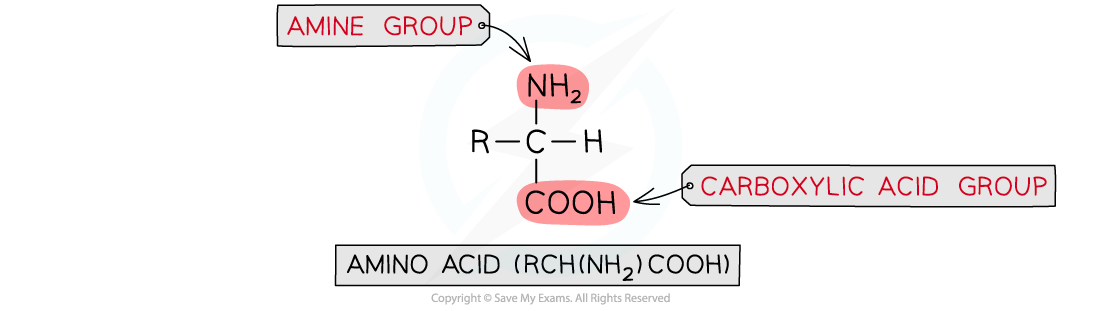
Amino Acids Amino acids are organic compounds that contain two functional groups: A basic amino (-NH2) group An acidic carboxylic acid (-COOH) group Due to the presence of both a basi...





