AQA A Level Biology复习笔记1.5.3 The Structure of DNA
The Structure of DNA The nucleic acid DNA is a polynucleotide – it is made up of many nucleotides bonded together in a long chain A DNA nucleotide DNA molecules are made up of two pol...
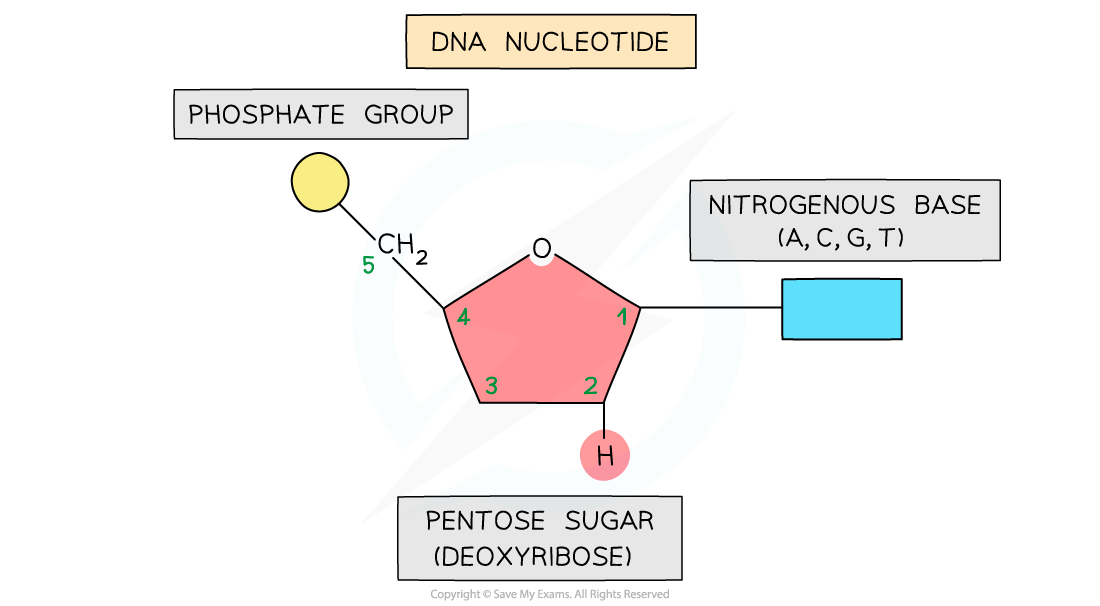
The Structure of DNA The nucleic acid DNA is a polynucleotide – it is made up of many nucleotides bonded together in a long chain A DNA nucleotide DNA molecules are made up of two pol...
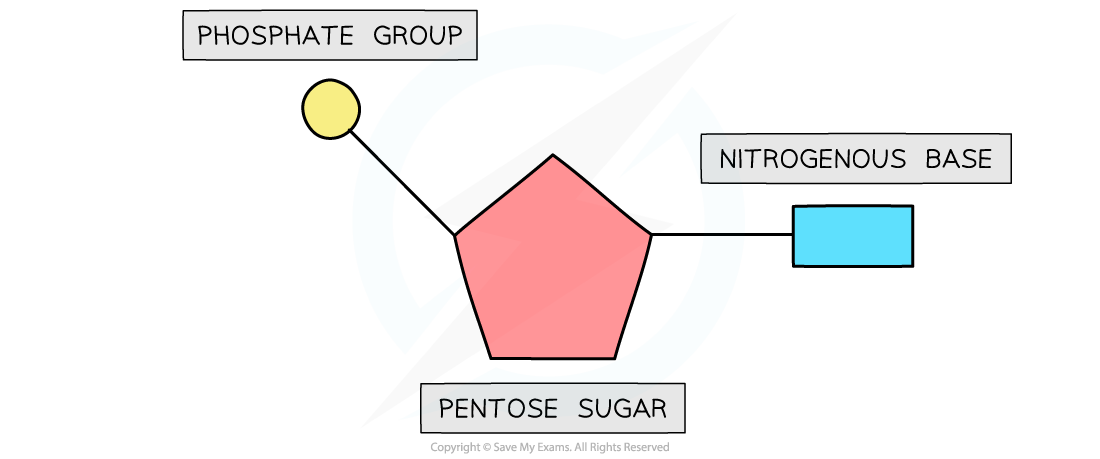
Nucleotide Structure & the Phosphodiester Bond Both DNA and RNA are polymers that are made up of many repeating units called nucleotides Each nucleotide is formed from: A pentose sugar (...

Practical Skill: Control of Variables & Uncertainty Enzyme rate experiments are experiments that are carried out to determine the effect of changing a particular factor on the rate of a ...
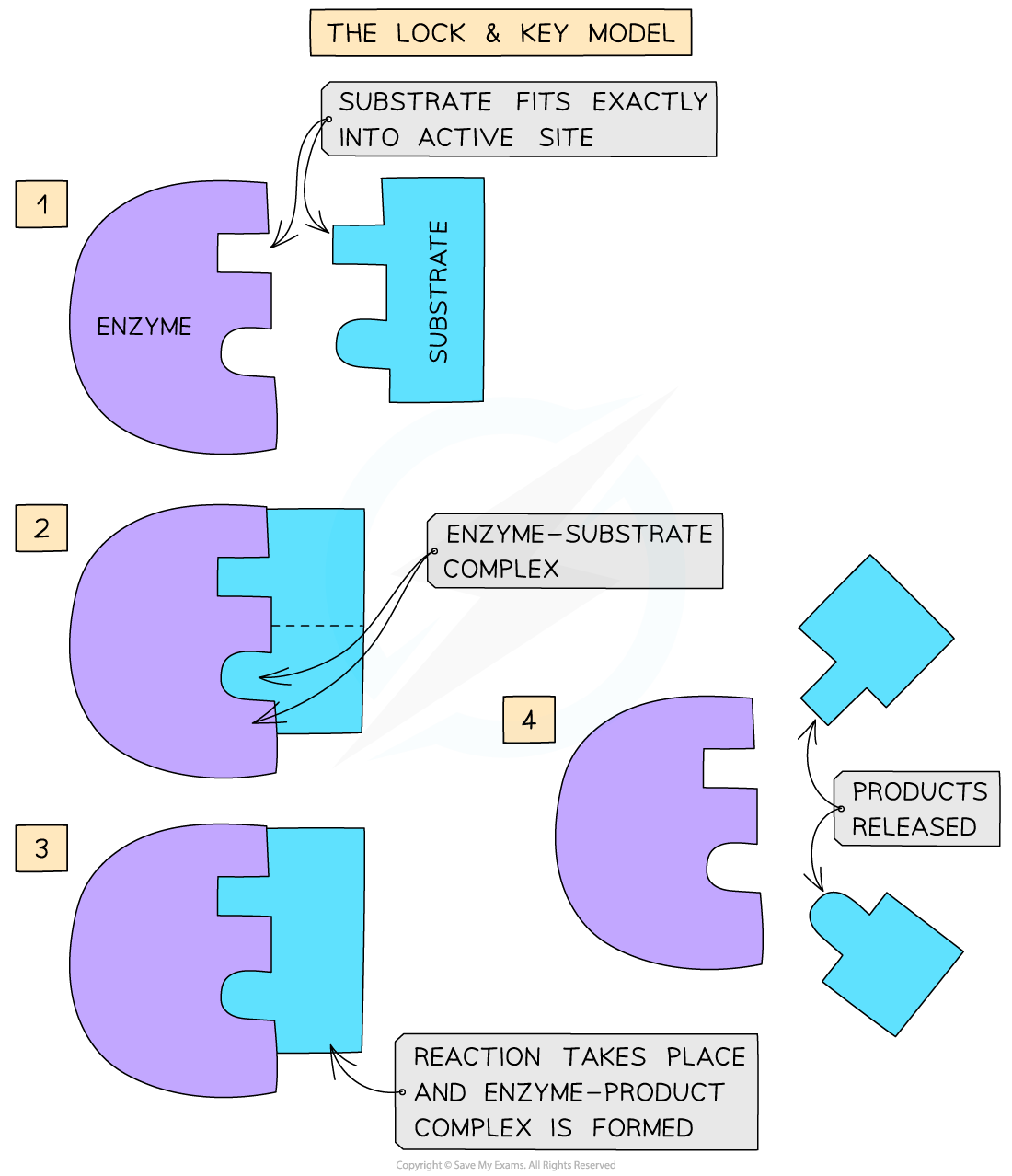
Students should be able to: Appreciate the Models & Functions of Enzyme Action Models of enzyme action Scientists often use models to explain their observations from experiments As techn...
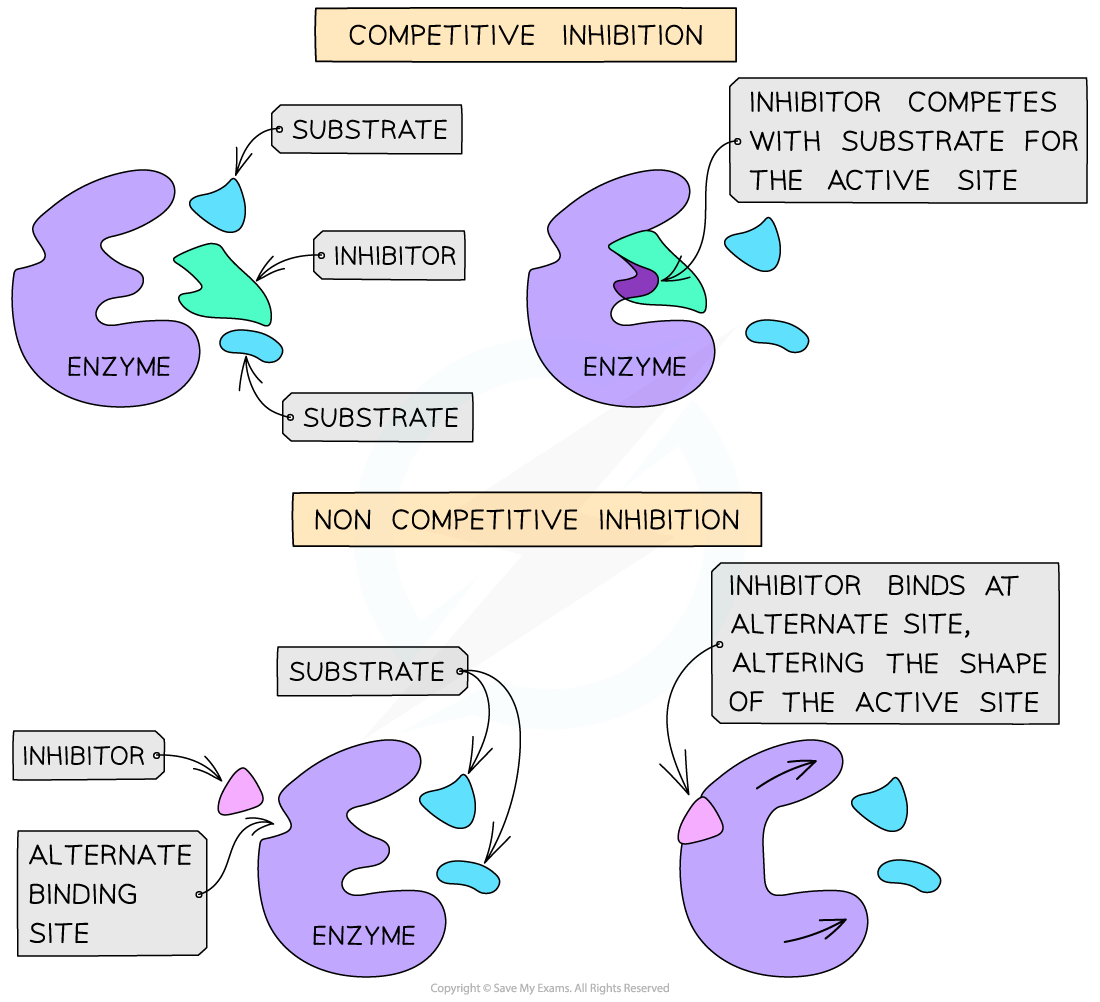
Enzyme Inhibitors An enzyme's activity can be reduced or stopped, temporarily, by a reversible inhibitor There are two types of reversible inhibitors: Competitive inhibitors have a similar s...
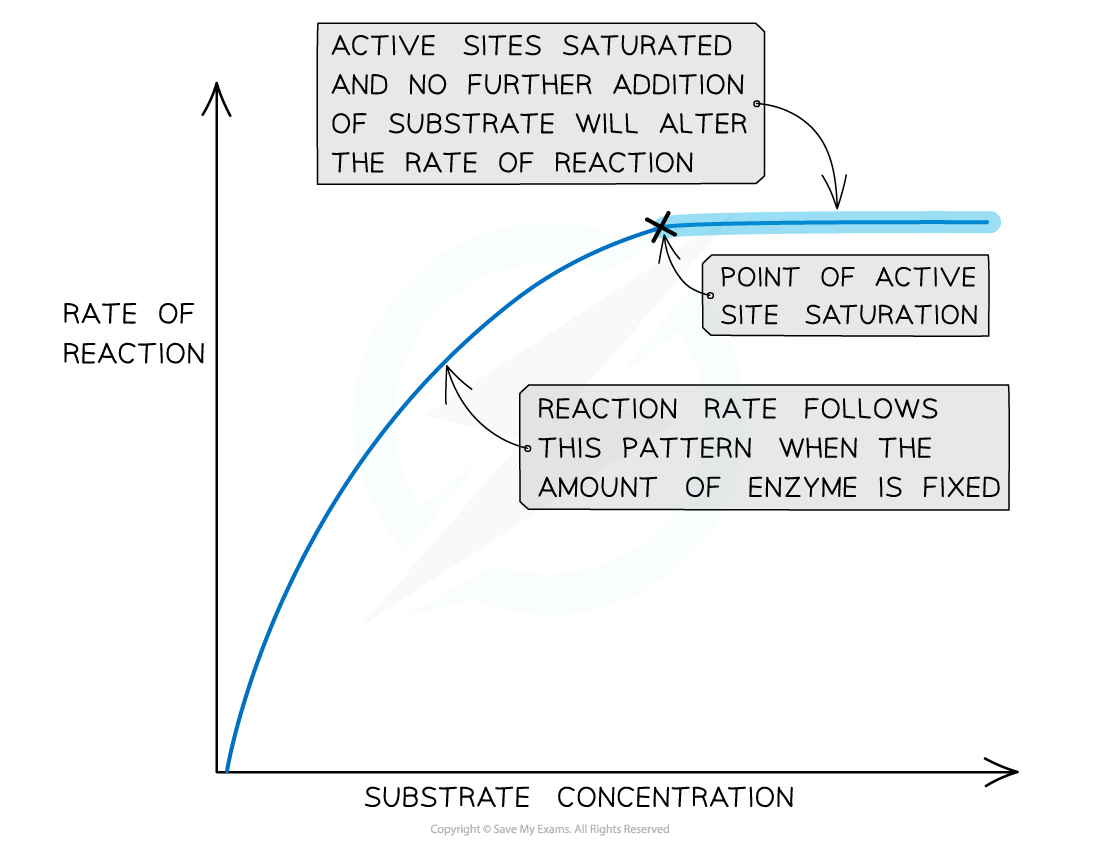
Rate: Substrate Concentration The greater the substrate concentration, the higher the rate of reaction: As the number of substrate molecules increases, the likelihood of enzyme-substrate com...
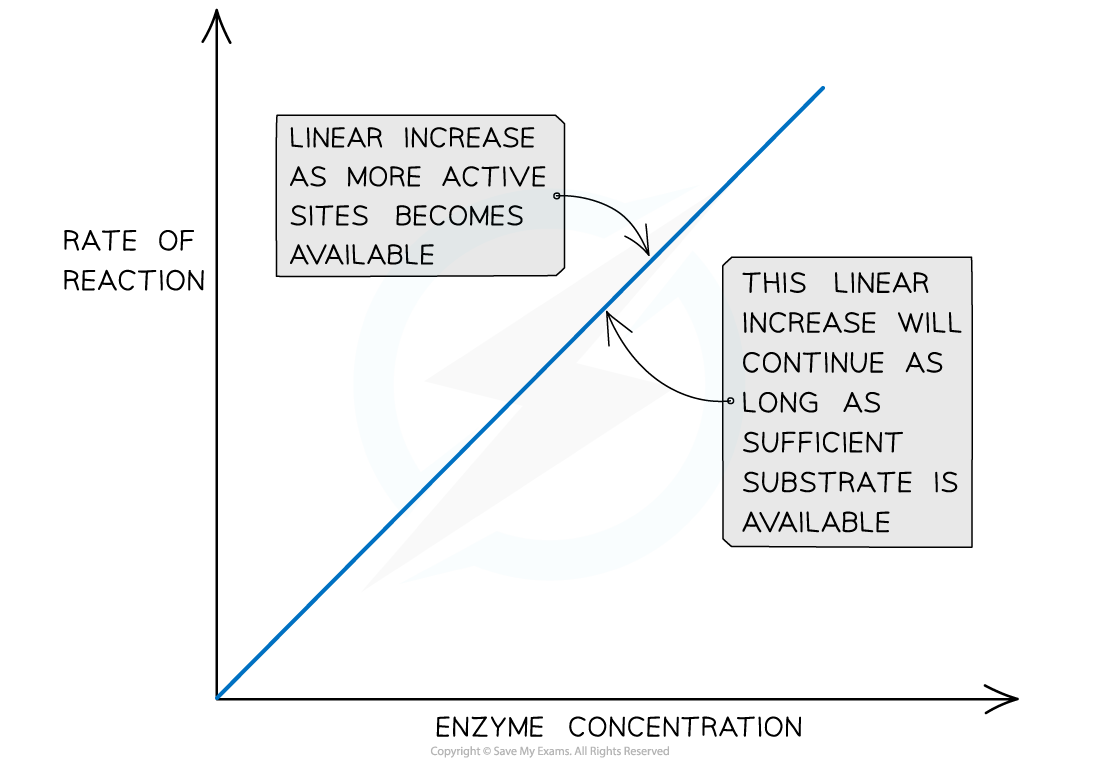
Rate: Enzyme Concentration Enzyme concentration affects the rate of reaction The higher the enzyme concentration in a reaction mixture, the greater the number of active sites available and the grea...
Maths Skill: Calculating pH If the hydrogen ion (H+) concentration of a solution is known, the pH can be calculated using the equation: pH = -log₁₀ [H⁺] You can find the ‘log’ function on yo...
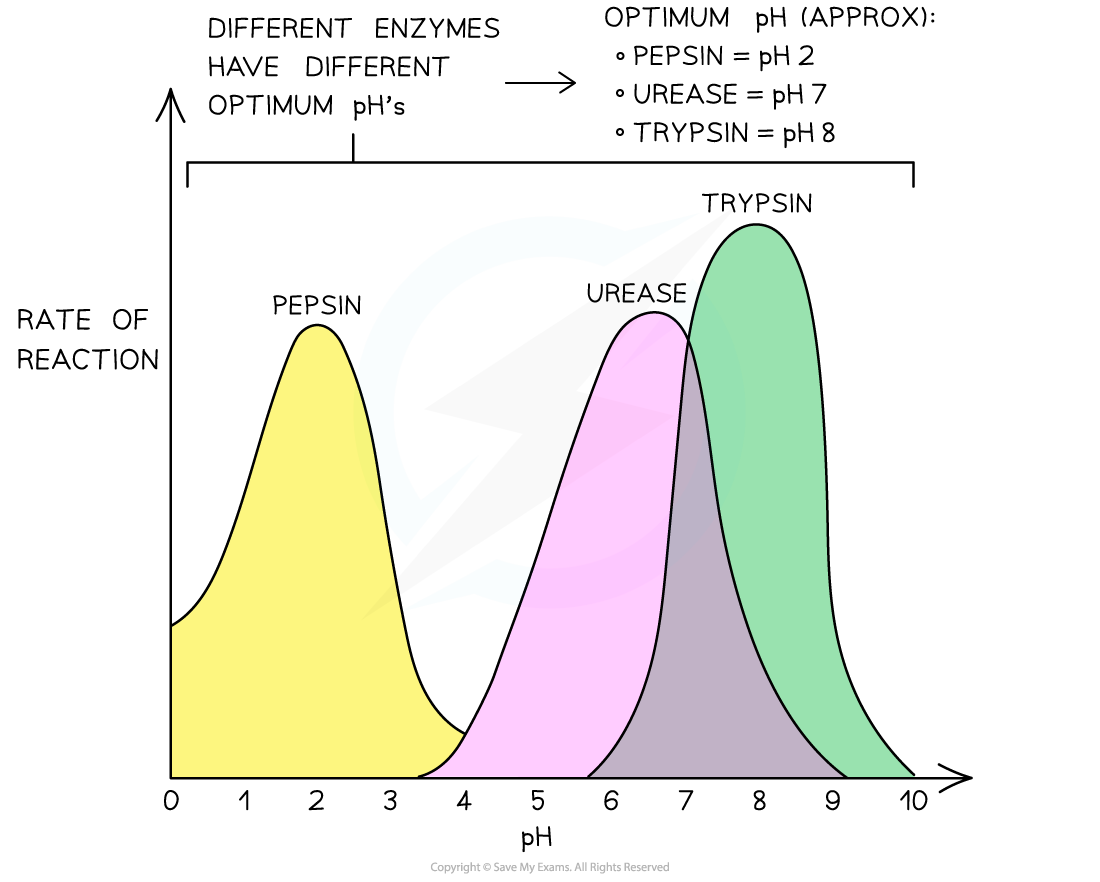
Rate: pH All enzymes have an optimum pH or a pH at which they operate best Enzymes are denatured at extremes of pH Hydrogen and ionic bonds hold the tertiary structure of the protein (ie. th...