AQA A Level Physics复习笔记7.2.1 Gravitational Potential
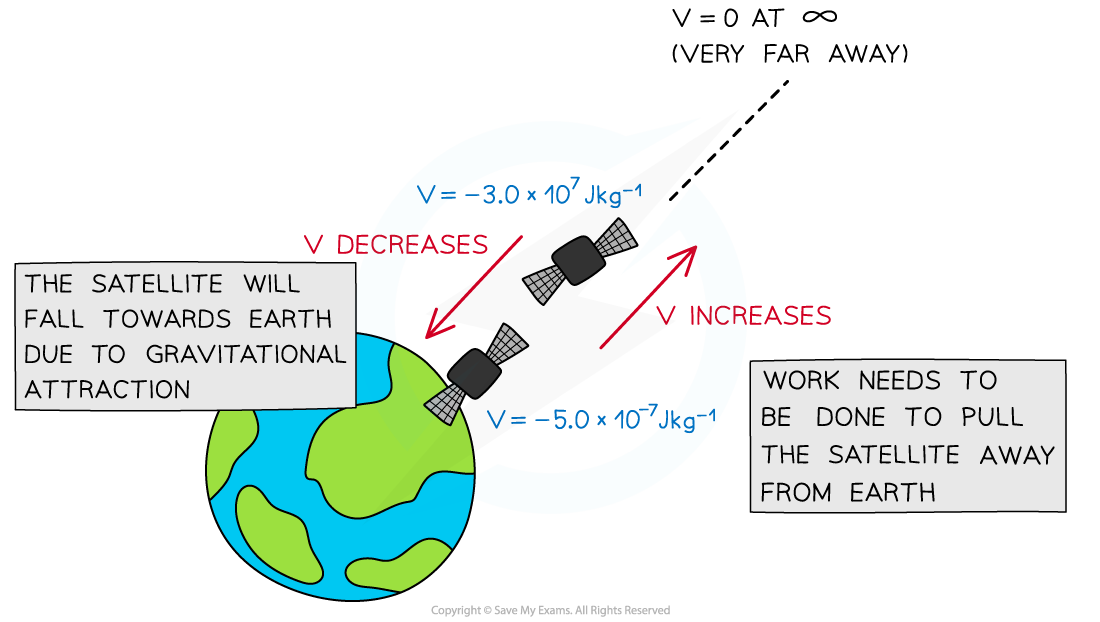
Gravitational Potential The gravitational potential energy (G.P.E) is the energy an object has when lifted off the ground given by the familiar equation: G.P.E = mgΔh The G.P.E on the surfac...
Gravitational Field Strength in a Radial Field The gravitational field strength, g at a point describes how strong or weak a gravitational field is at that point g in a radial field (such as...
Newton's Law of Gravitation The gravitational force between two bodies outside a uniform field, e.g. between the Earth and the Sun, is defined by Newton’s Law of Gravitation Recall that the ...
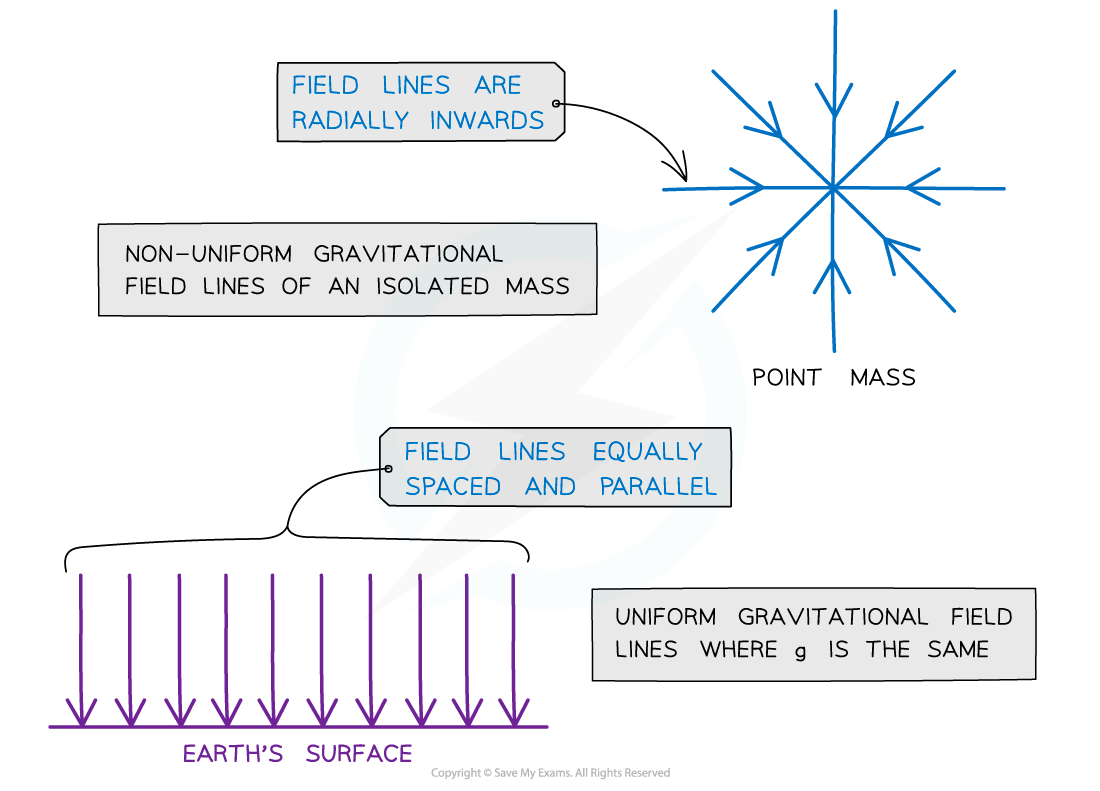
Gravitational Field Lines The direction of a gravitational field is represented by gravitational field lines The gravitational field lines around a point mass are radially inwards The gravit...
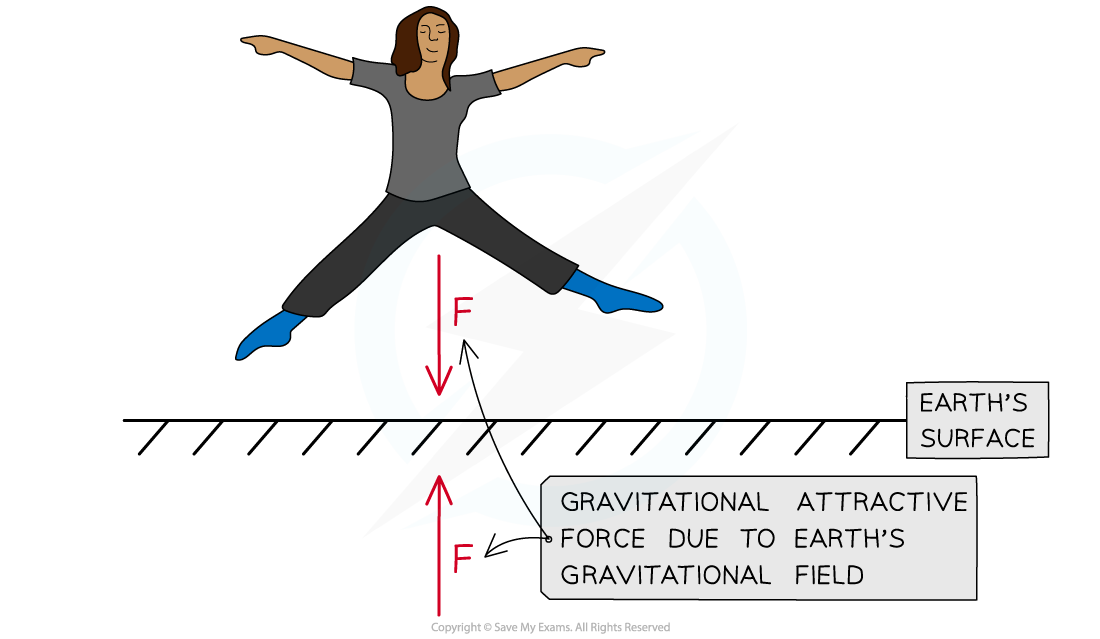
Gravitational Force There is a universal force of attraction between all matter with mass This force is known as the ‘force due to gravity’ or the weight The Earth’s gravitational fie...
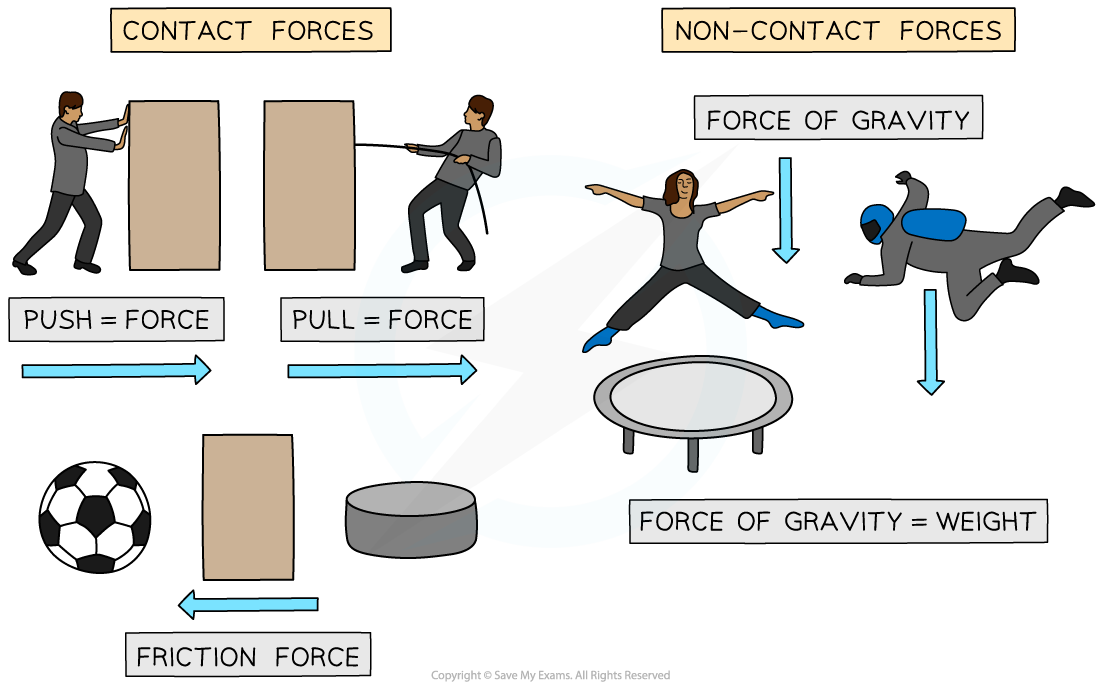
Concept of a Force Field A force field is any region of space where a body will experience a non-contact force This will cause the body to move, interact or be deformed in some way A ...
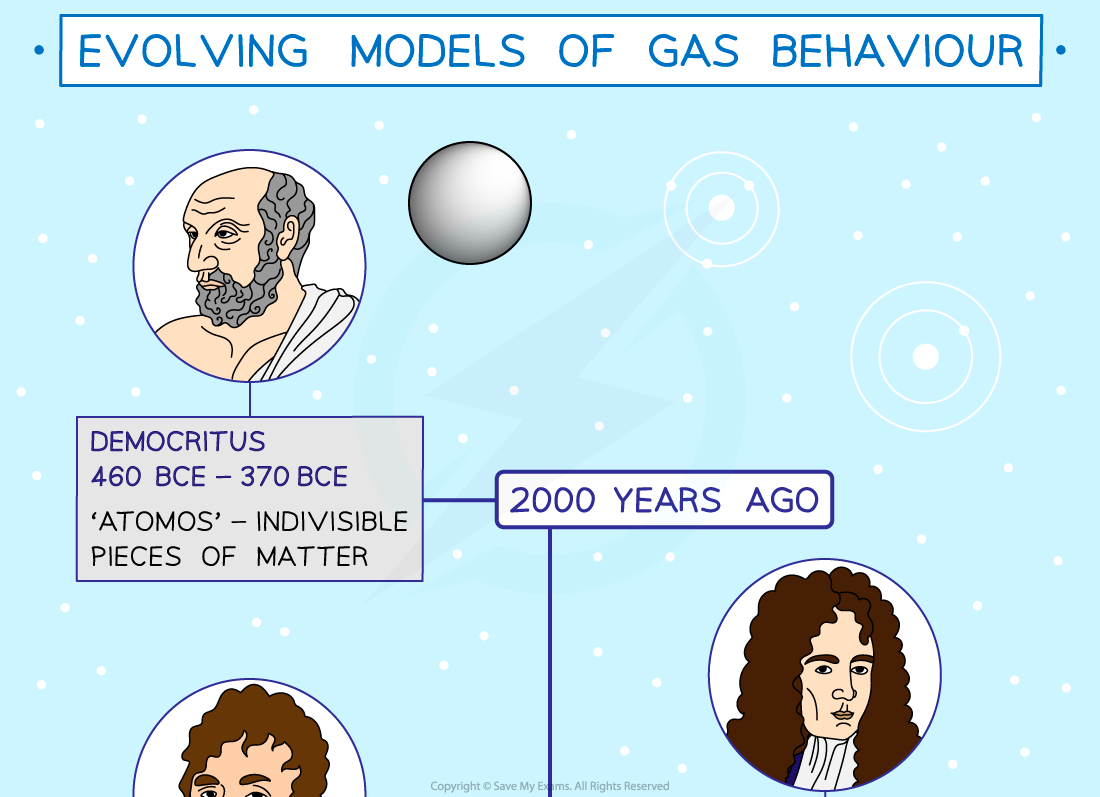
Evolving Models of Gas Behaviour Our knowledge and understanding of the behaviour of gases has changed significantly over time The gas laws were developed by many scientists over thousands o...
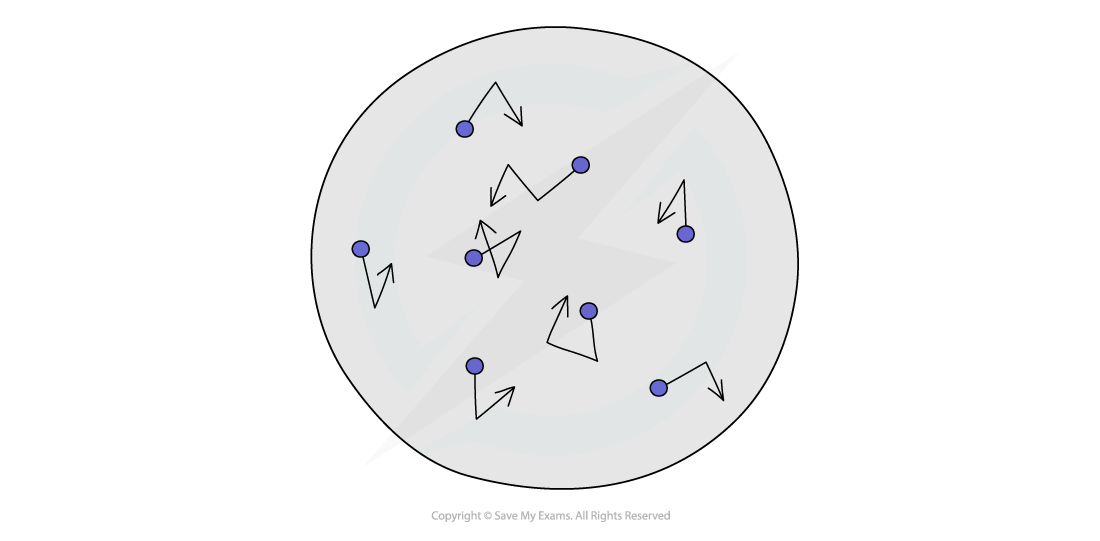
Brownian Motion Brownian motion of particles is the phenomenon when: Small particles (such as pollen or smoke particles) suspended in a liquid or gas are observed to move around in a random,...
Average Molecular Kinetic Energy An important property of molecules in a gas is their average kinetic energy This can be deduced from the ideal gas equations relating pressure, volume, tempe...
© 2026. All Rights Reserved. 沪ICP备2023009024号-1