AQA A Level Physics复习笔记7.4.3 Electric Field Strength
Electric Field Strength Definition An electric field is a region of space in which an electric charge “feels” a force The electric field strength at a point is defined as: The electrostatic ...

Electric Field Strength Definition An electric field is a region of space in which an electric charge “feels” a force The electric field strength at a point is defined as: The electrostatic ...
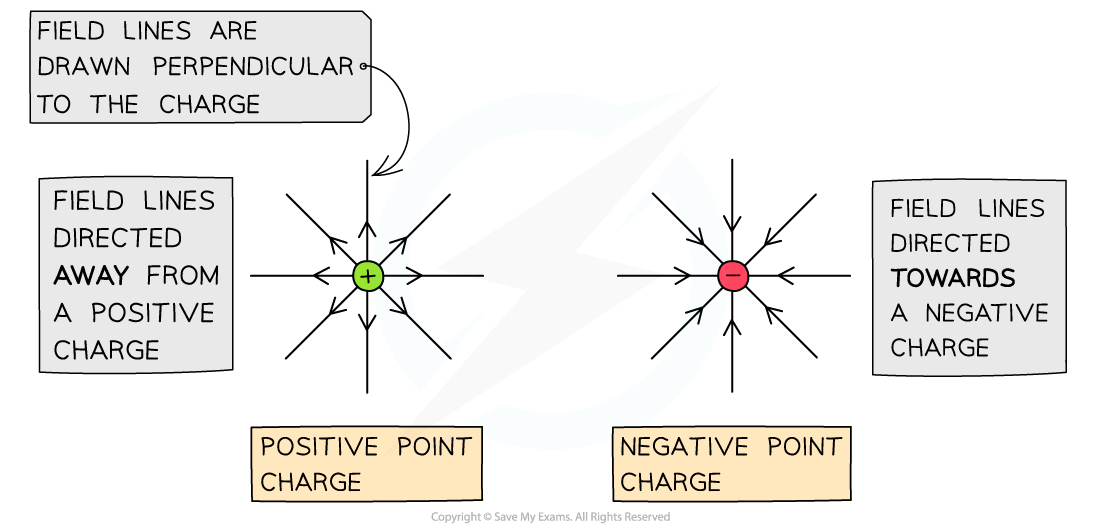
Representing Electric Fields The direction of electric fields is represented by electric field lines Electric field lines are directed from positive to negative Therefore, the field lines mu...

Coulomb's Law All charged particles produce an electric field around it This field exerts a force on any other charged particle within range The electrostatic force between two charge...
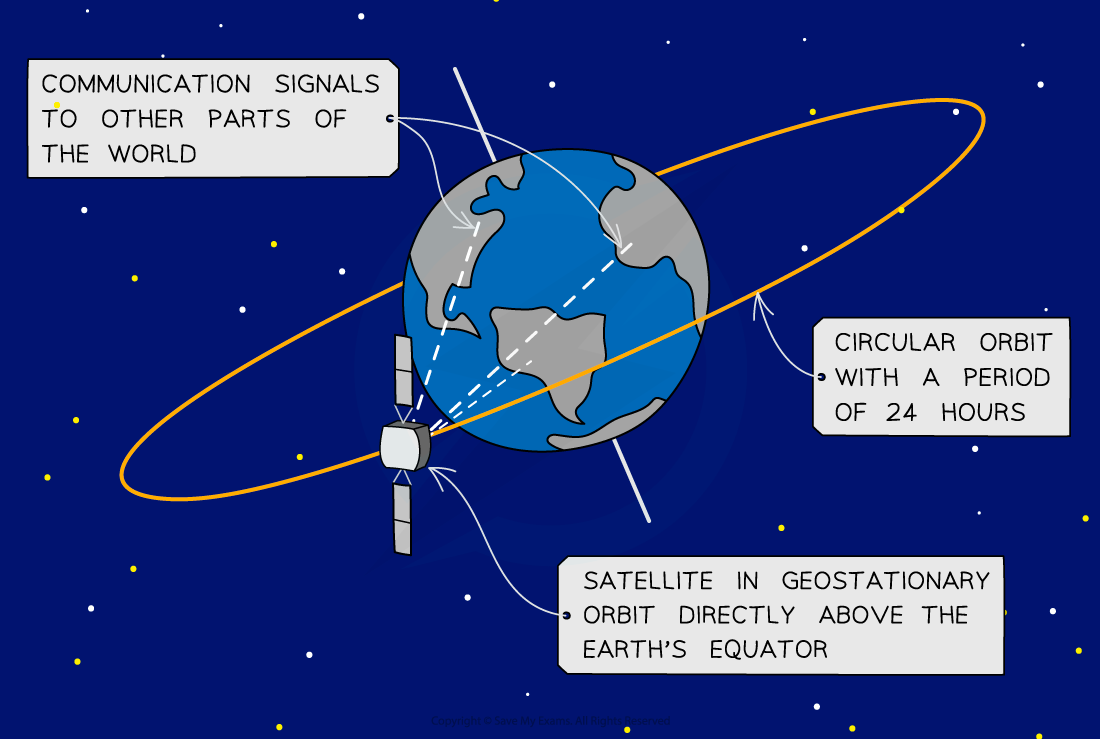
Synchronous Orbits A synchronous orbit is: When an orbiting body has a time period equal to that of the body being orbited and in the same direction of rotation as that body These usually re...
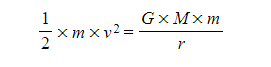
Escape Velocity To escape a gravitational field, a mass must travel at the escape velocity This is dependent on the mass and radius of the object creating the gravitational field, such as a ...
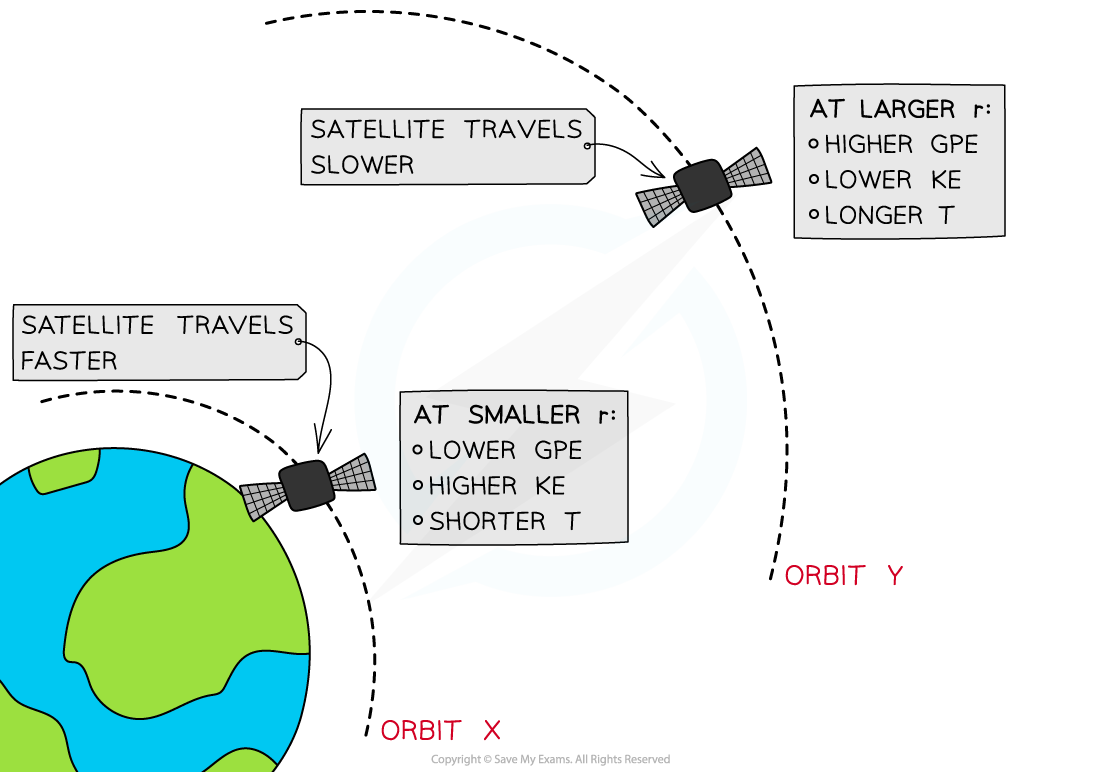
Energy of an Orbiting Satellite An orbiting satellite follows a circular path around a planet Just like an object moving in circular motion, it has both kinetic energy (KE) and gravitational...

Circular Orbits in Gravitational Fields Since most planets and satellites have a near circular orbit, the gravitational force FG between the Sun and another planet provides the centripetal f...

Work Done on a Mass When a mass is moved against the force of gravity, work is done The work done in moving a mass m is given by: ∆W = m∆V Where: ∆W = change in work done (J) m = mass (kg) ∆...

Graphical Representation of Gravitational Potential Gravitational field strength, gand the gravitational potential,V can be graphically represented against the distance from the centre of a ...





