AQA A Level Chemistry复习笔记7.5.2 Basic Properties
Basic Properties The nitrogen atom in ammonia and amine molecules can accept a proton (H+ ion) They can therefore act as bases in aqueous solutions by donating its lone pair of electrons to ...
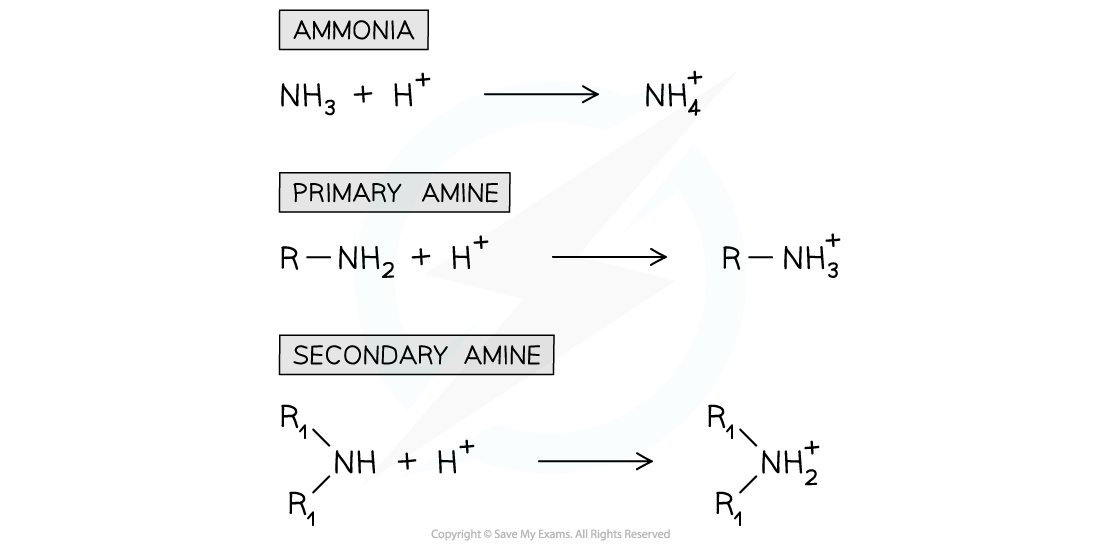
Basic Properties The nitrogen atom in ammonia and amine molecules can accept a proton (H+ ion) They can therefore act as bases in aqueous solutions by donating its lone pair of electrons to ...
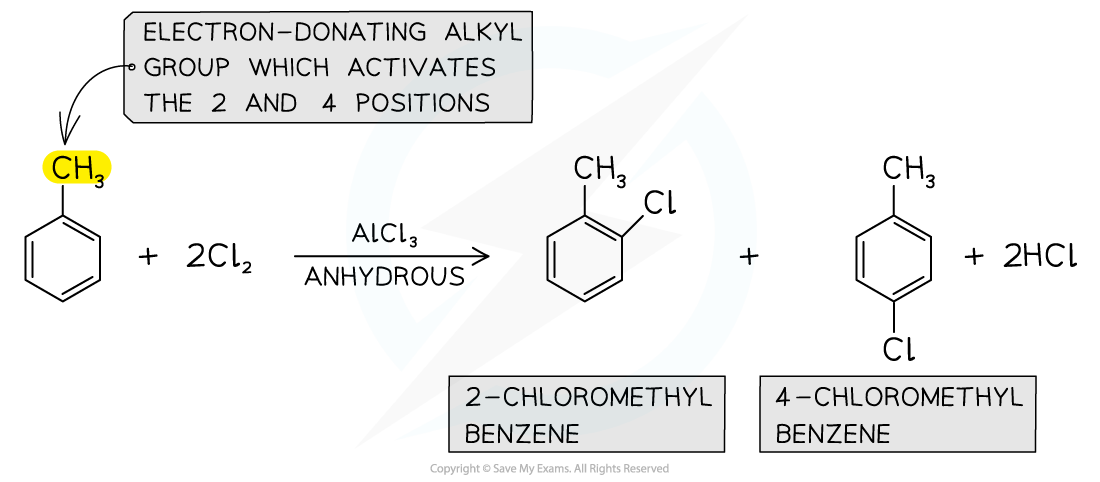
Friedel–Crafts Acylation Arenes are very stable compounds due to the delocalisation of π electrons in the ring This is because the negative charge is spread out over the molecule instead of ...

Nitration The electrophilic substitution reaction in arenes consists of three steps: Generation of an electrophile Electrophilic attack Regenerating aromaticity Mechanism of electroph...
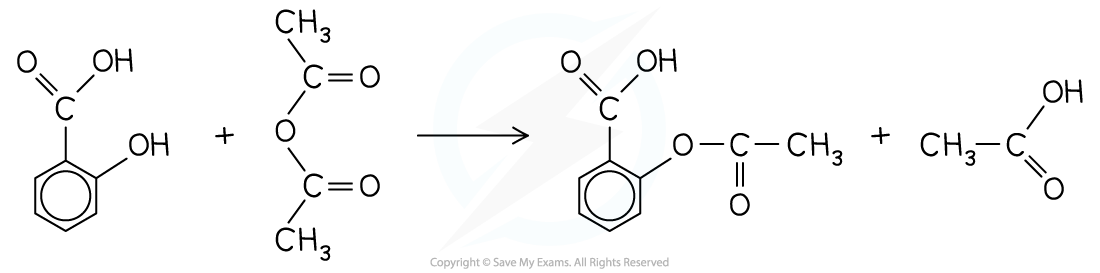
Manufacture of Aspirin Manufacture of Aspirin Acylation reactions have many uses, such as in the pharmaceutical and textile industries for making drugs, e.g. aspirin, and textiles, e.g. cell...
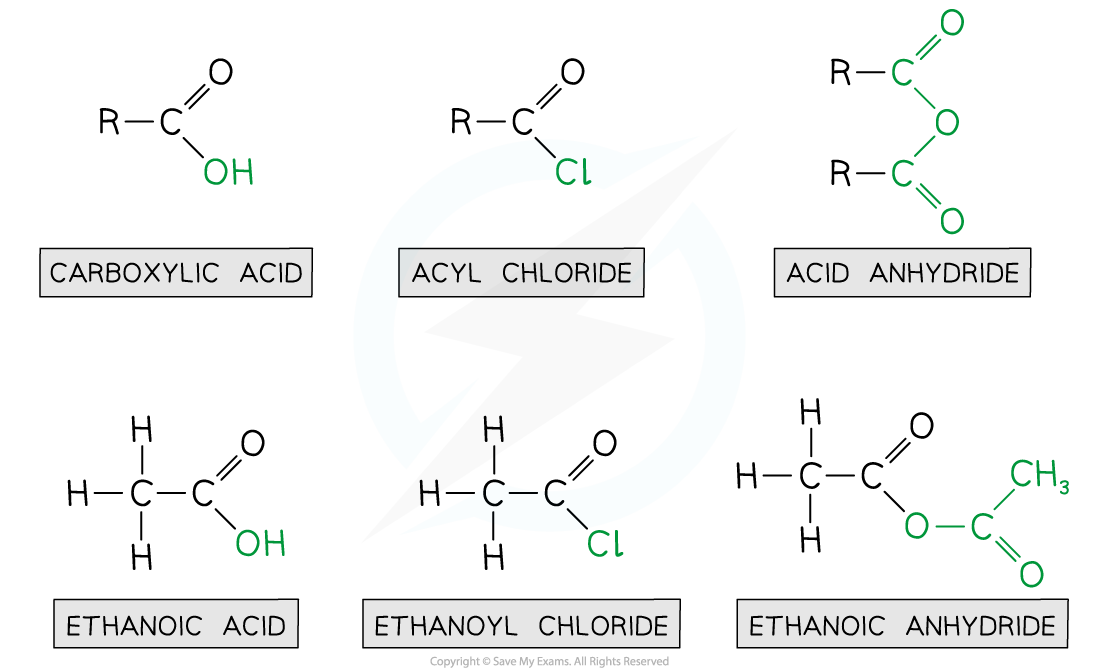
Acyl Groups Acyl groups Acyl groups can be built into many molecules using acyl chlorides or acid anhydrides (known as acylating agents) Acyl chlorides are derivatives of carboxylic acids by...
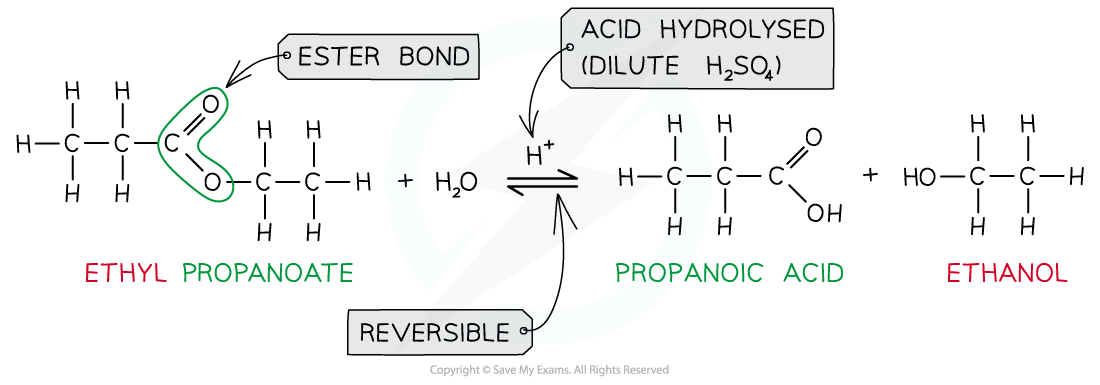
Ester Hydrolysis Hydrolysis of Esters - Acid The reverse of the esterification reaction is called hydrolysis Ester hydrolysis is a useful reaction for creating biodegradable plastics Esters ...
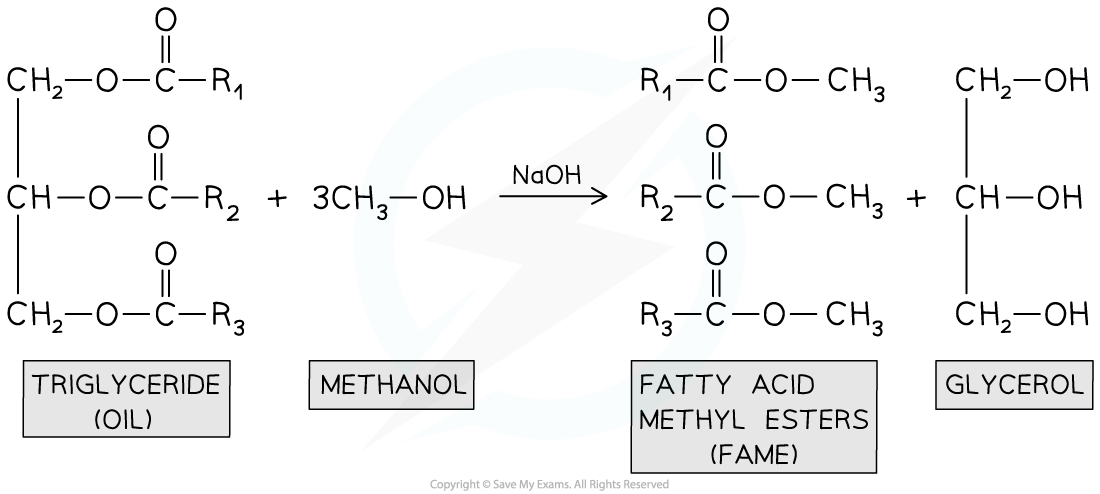
Biodiesel Biodiesel Biodiesel is made from renewable vegetable oils rather than non sustainable petrochemicals Natural triglyceride oils are converted to esters of methanol, which makes them...
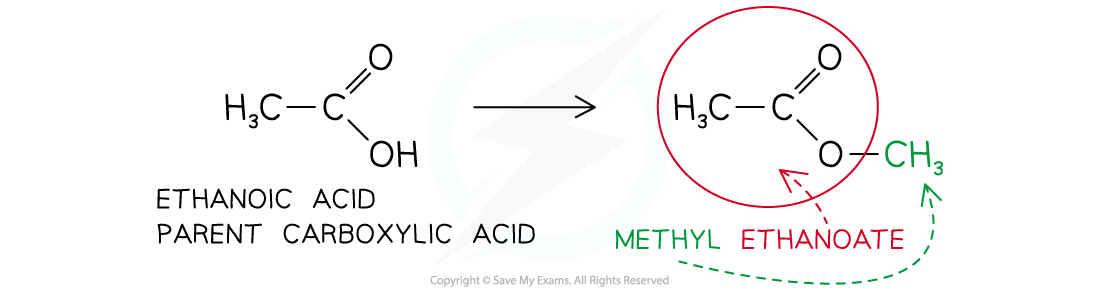
Esters Esters Esters are a carboxylic acid derivative which contains the ester group, -COO- An ester is named after the parent carboxylic acid from which it is derived Remove the -oic acid suffix f...

Nucleophilic Addition Many of the reactions which carbonyl compounds undergo are nucleophilic addition reactions The carbonyl group -C=O, in aldehydes and ketones is polarised The oxygen ato...





