AQA A Level Chemistry复习笔记 6.2.2 Ligand Exchange
Ligand Exchange Ligand exchange (or ligand substitution) is when one ligand in a complex is replaced by another Ligand exchange forms a new complex that is more stable than the original one ...
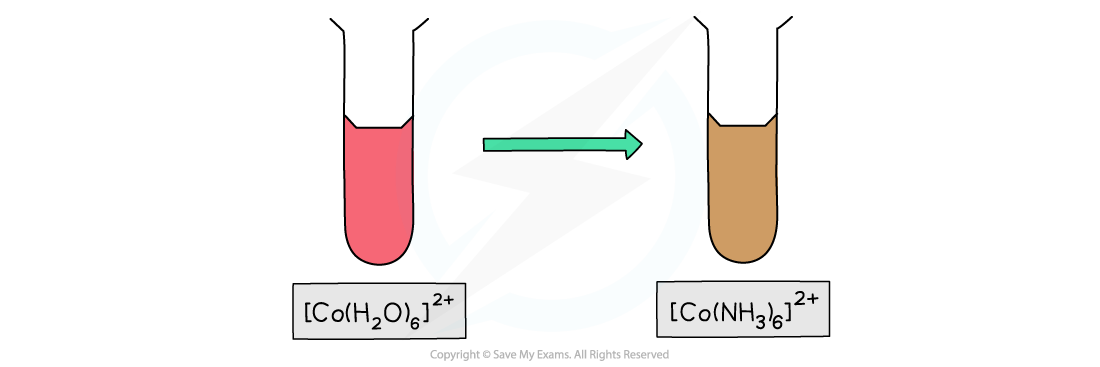
Ligand Exchange Ligand exchange (or ligand substitution) is when one ligand in a complex is replaced by another Ligand exchange forms a new complex that is more stable than the original one ...
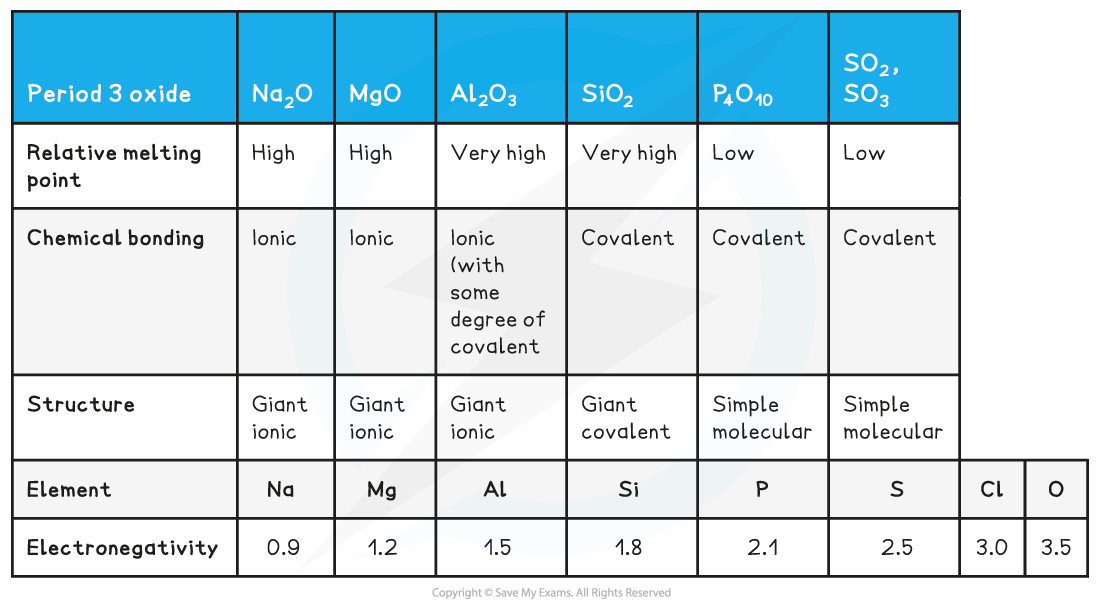
Oxides Reacting with Water Structure, bonding & electronegativity of the Period 3 elements table The oxides of Na and Mg which show purely ionic bonding produce alkaline solutions...
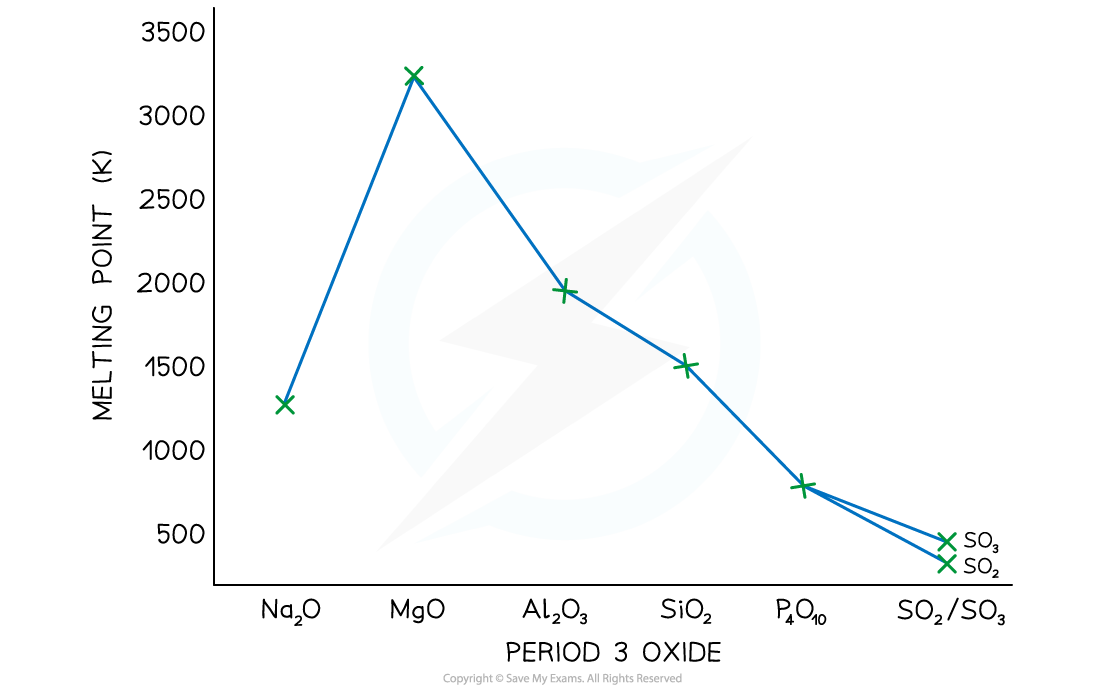
Melting Point Trend The melting points of the oxides vary significantly across Period 3 and show a clear trend Melting point is a clear indication of the forces of attraction which exist bet...
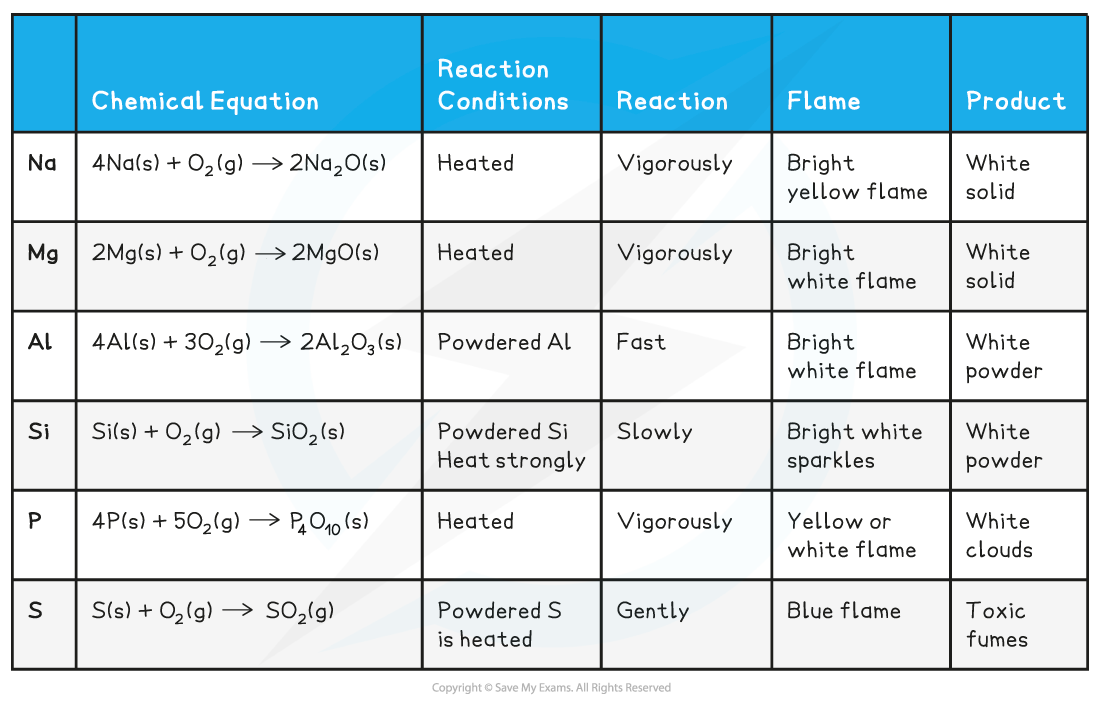
Reaction with Oxygen Oxide Formation The period 3 elements, excluding chlorine and argon, combine with oxygen to form oxides The oxide formed will contain the elements in their highest oxida...

Acid & Basic Buffers A buffer solution is a solution which resists changes in pH when small amounts of acids or alkalis are added A buffer solution is used to keep the pH almost constant...
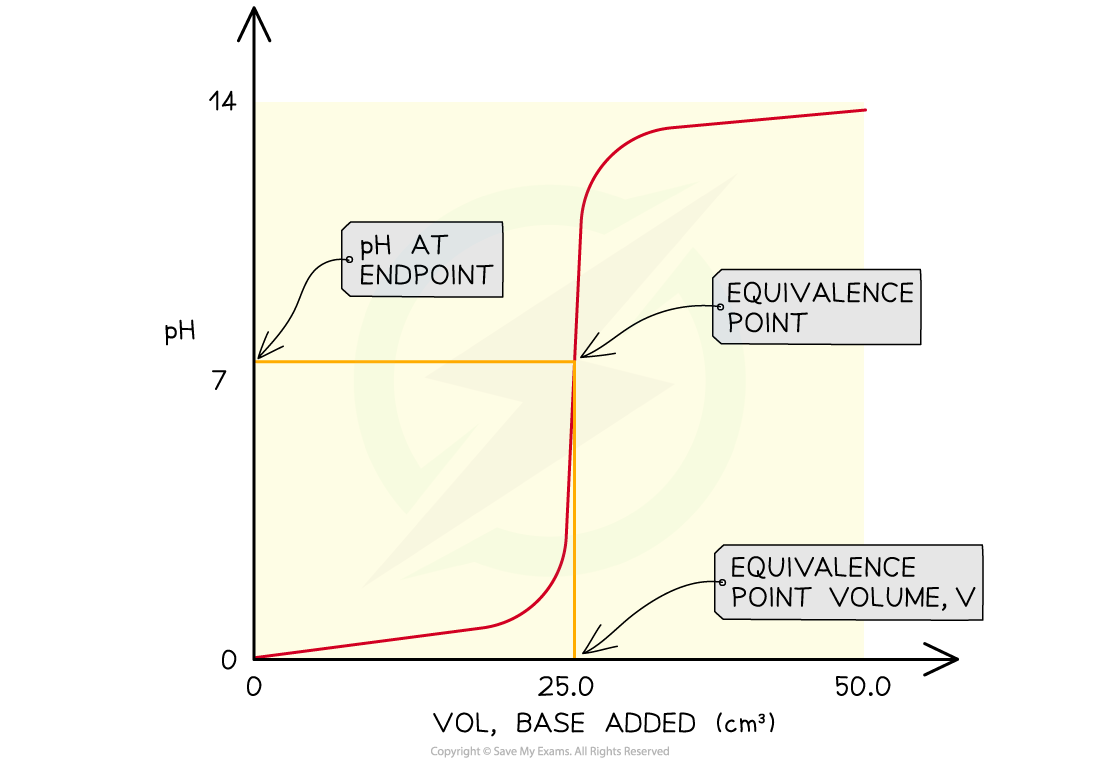
pH Curves During a titration a pH meter can be used and a pH curve plotted A pH curve is a graph showing how the pH of a solution changes as the acid (or base) is added The result is charact...
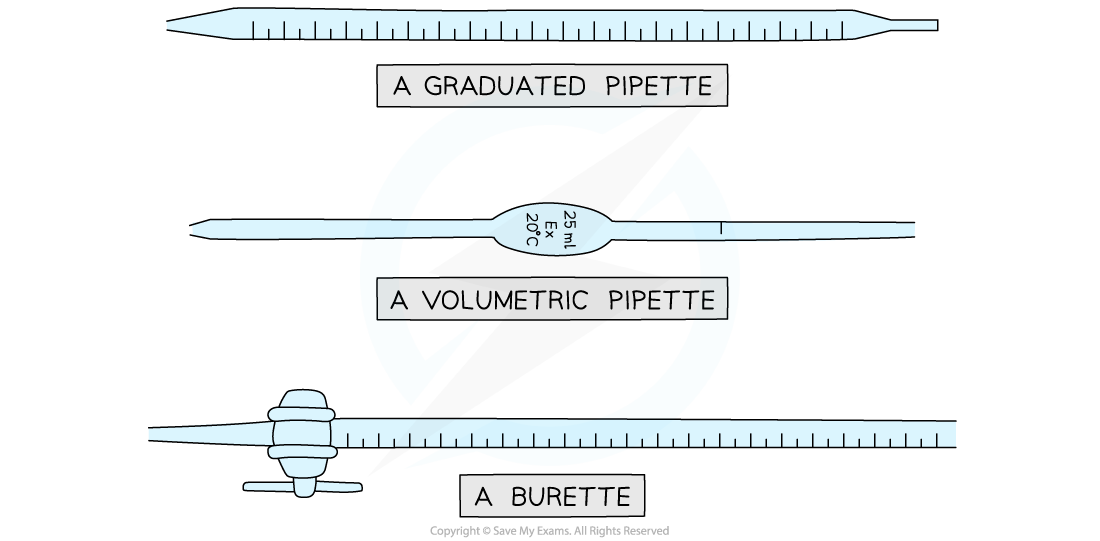
Titrations Volumetric analysis is a process that uses the volume and concentration of one chemical reactant (a standard solution) to determine the concentration of another unknown solution T...
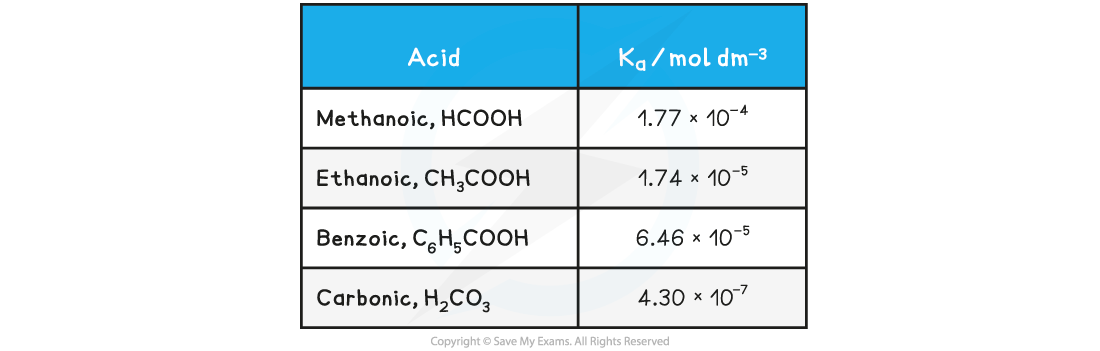
pKₐ The range of values of Ka is very large and for weak acids, the values themselves are very small numbers Table of Ka values For this reason it is easier to work with another term ...
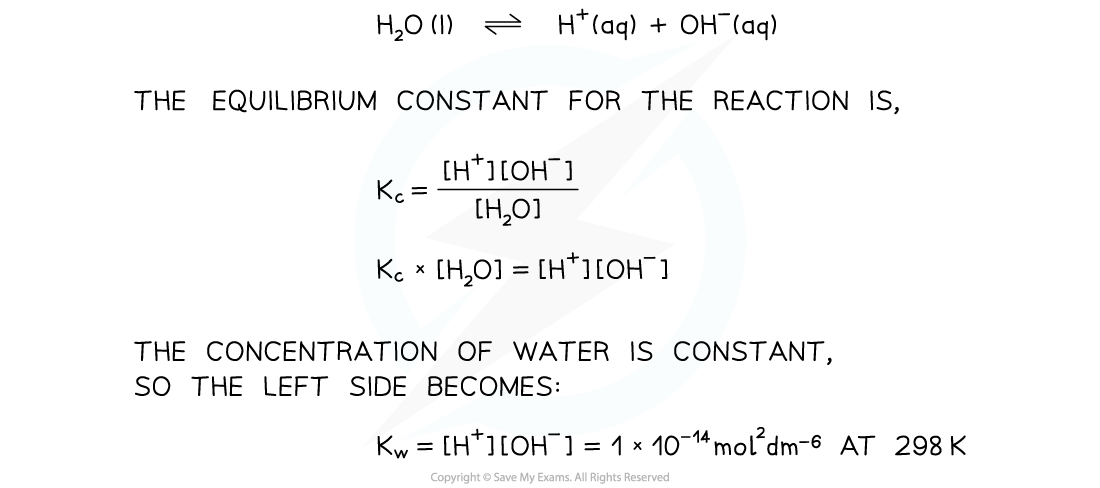
The Ionic Product of Water In all aqueous solutions, an equilibrium exists in water where a few water molecules dissociate into protons and hydroxide ions We can derive an equilibrium consta...





