AQA A Level Biology复习笔记7.4.2 Abiotic & Biotic Factors
Abiotic & Biotic Conditions Niche The place where a species lives within an ecosystem is its habitat The role that a species plays within its habitat is known as its niche, including: Th...
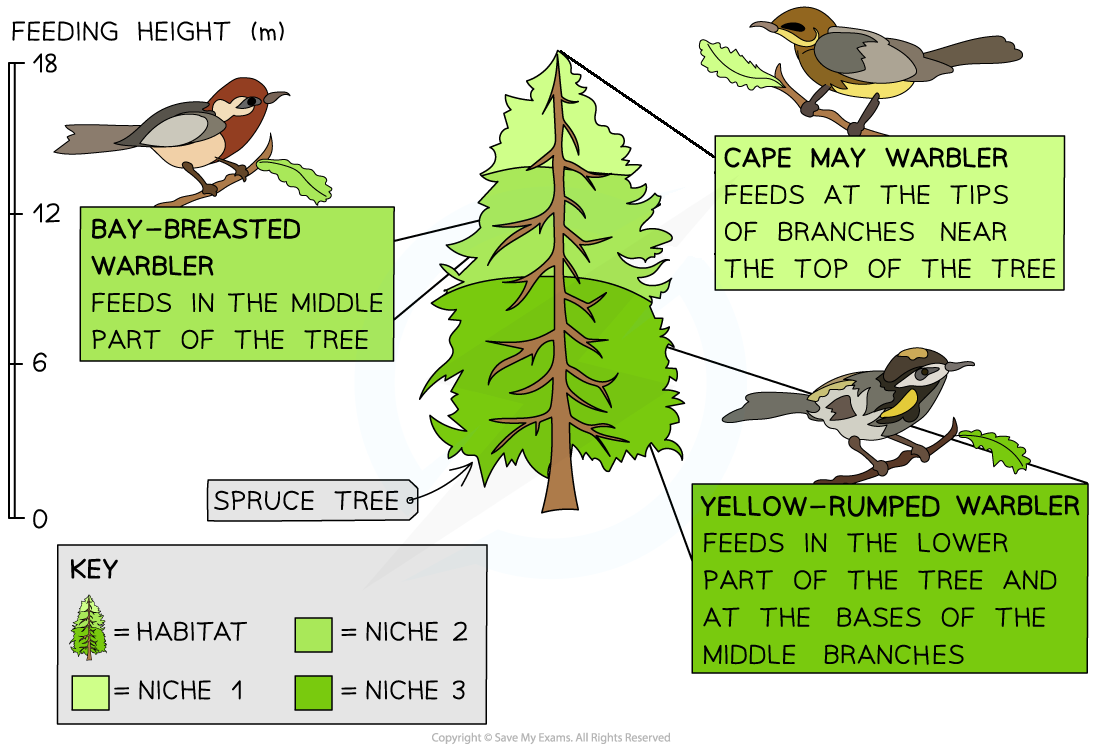
Abiotic & Biotic Conditions Niche The place where a species lives within an ecosystem is its habitat The role that a species plays within its habitat is known as its niche, including: Th...
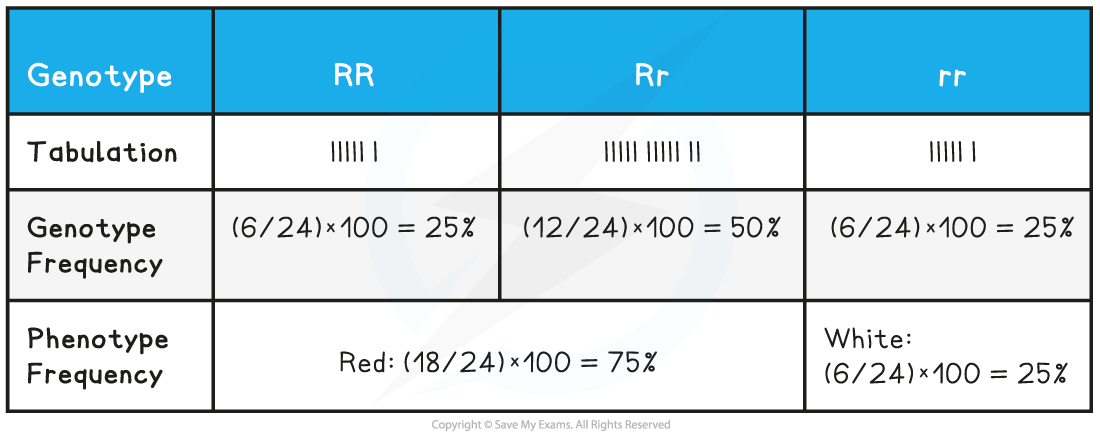
Practical Skill: Investigating the Effects of Random Sampling on Allele Frequencies Investigations to mimic the effects of random sampling on allele frequencies in a population can be devised using...
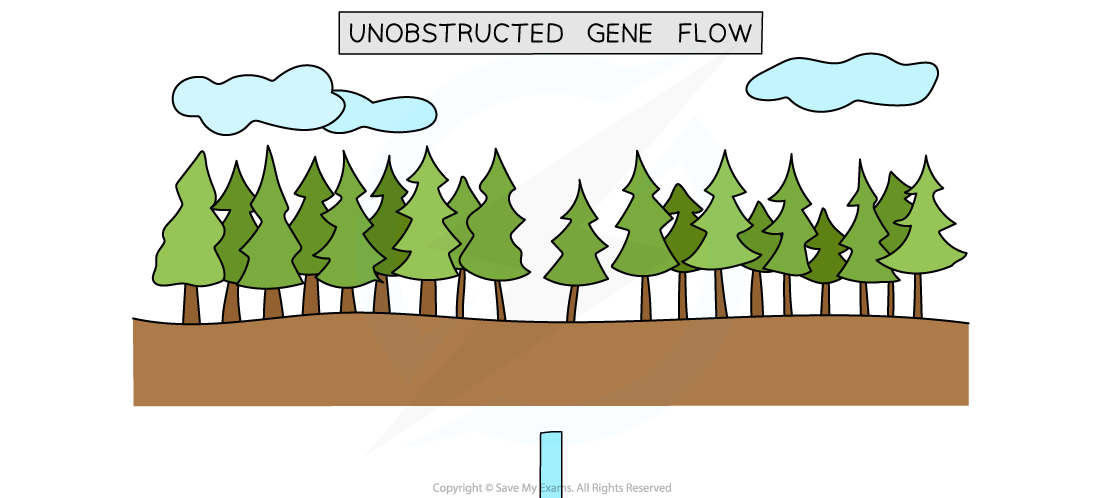
Allopatric & Sympatric Speciation Evolution causes speciation: the formation of new species from pre-existing species over time, as a result of changes to gene pools from generation to g...
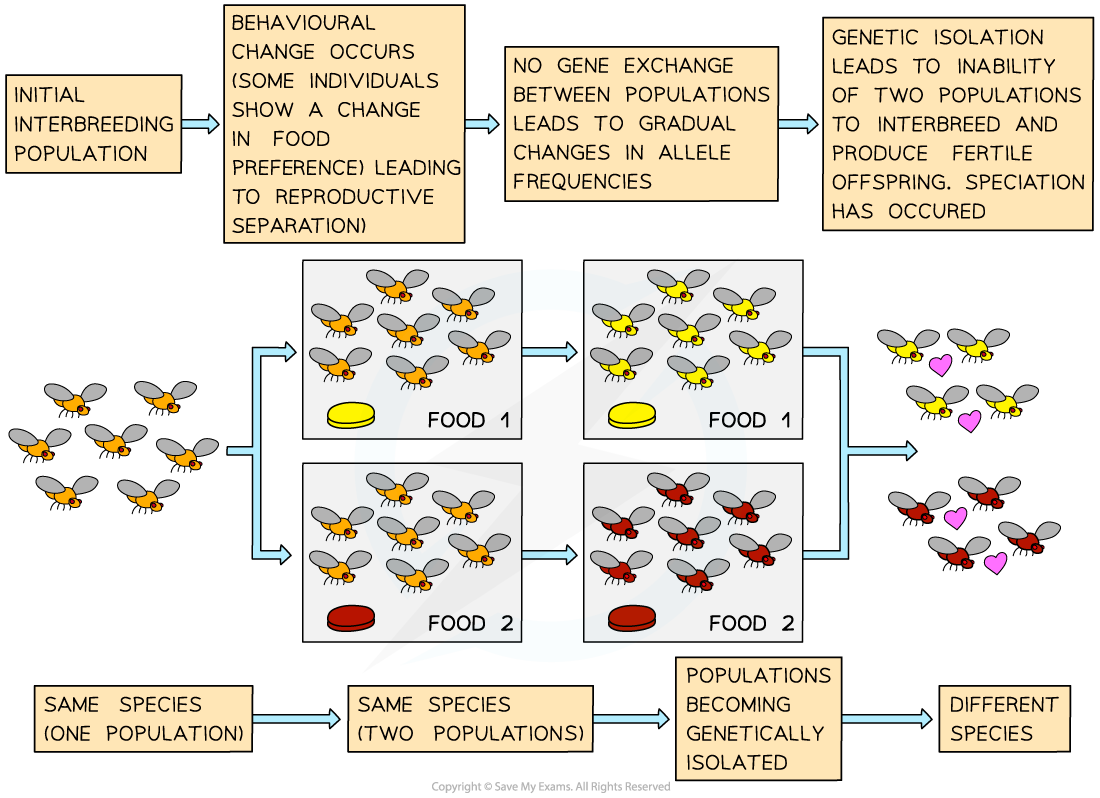
Reproductive Separation Reproductive separation In order for evolution to occur the new species population must be genetically and reproductively separated from the pre-existing species popu...
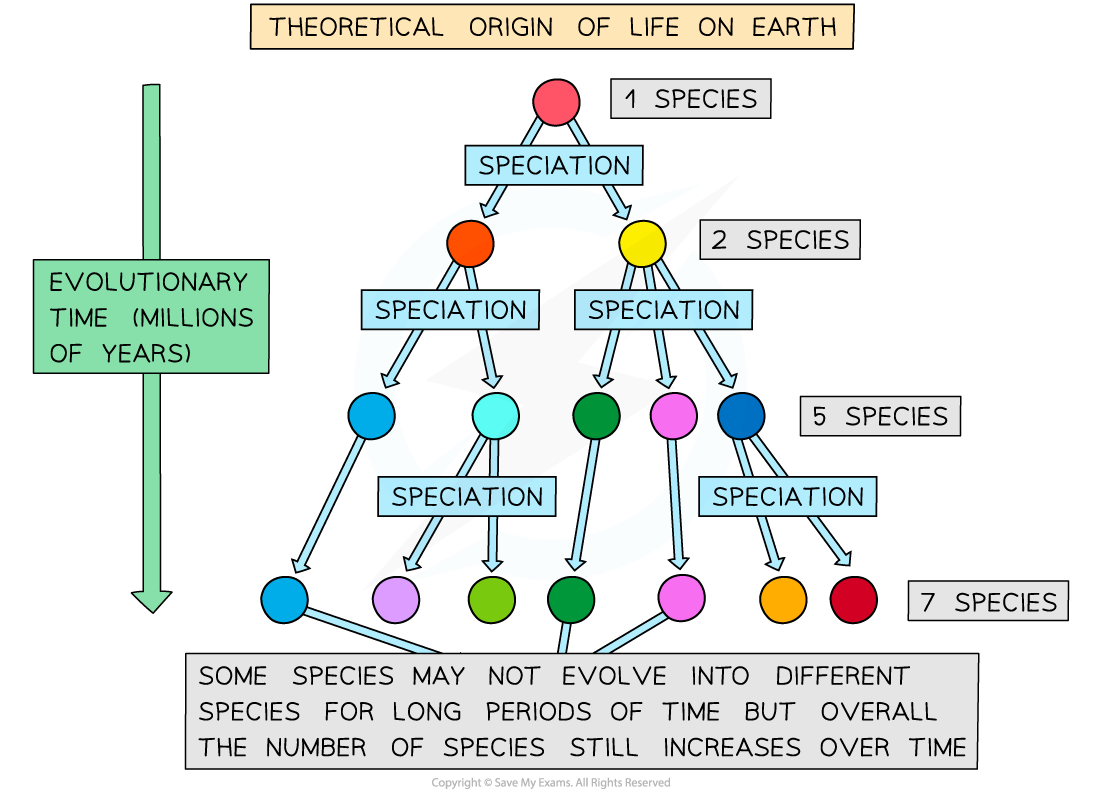
Evolution The allele frequencies (within the gene pool) of a population can change over time due to processes such as natural selection When the allele frequencies of a population change suf...
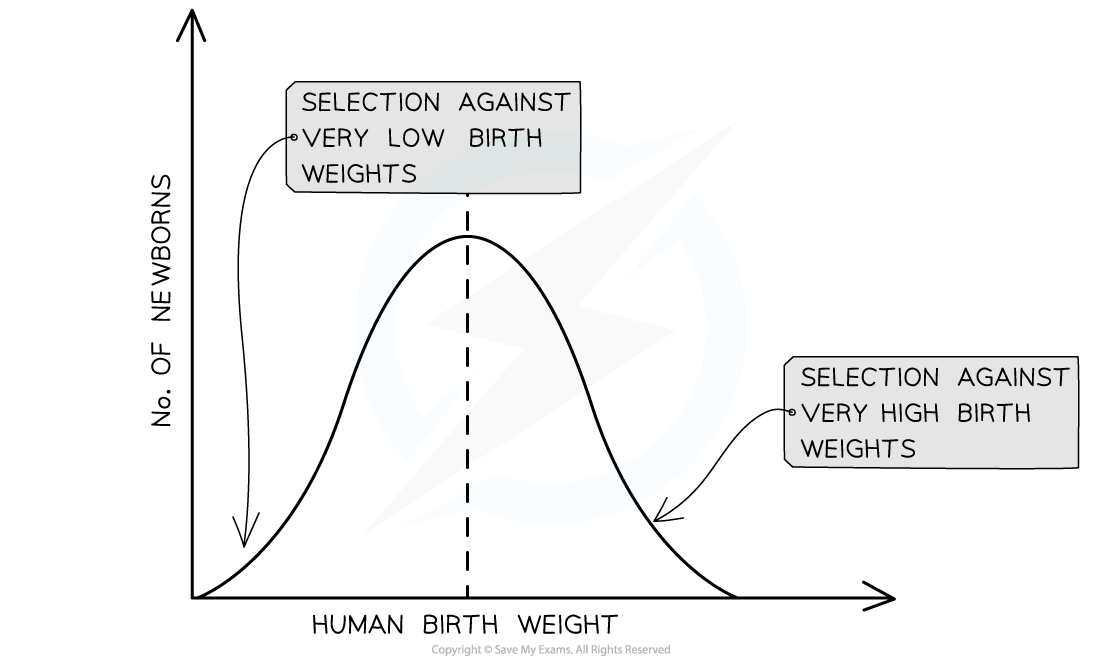
Types of Selection & Their Effects Environmental factors that affect the chance of survival of an organism are referred to as selection pressures For example, there could be high levels ...

Selective Advantage Every individual within a species population has the potential to reproduce and have offspring In reality, however, there are many environmental factors that prevent ever...
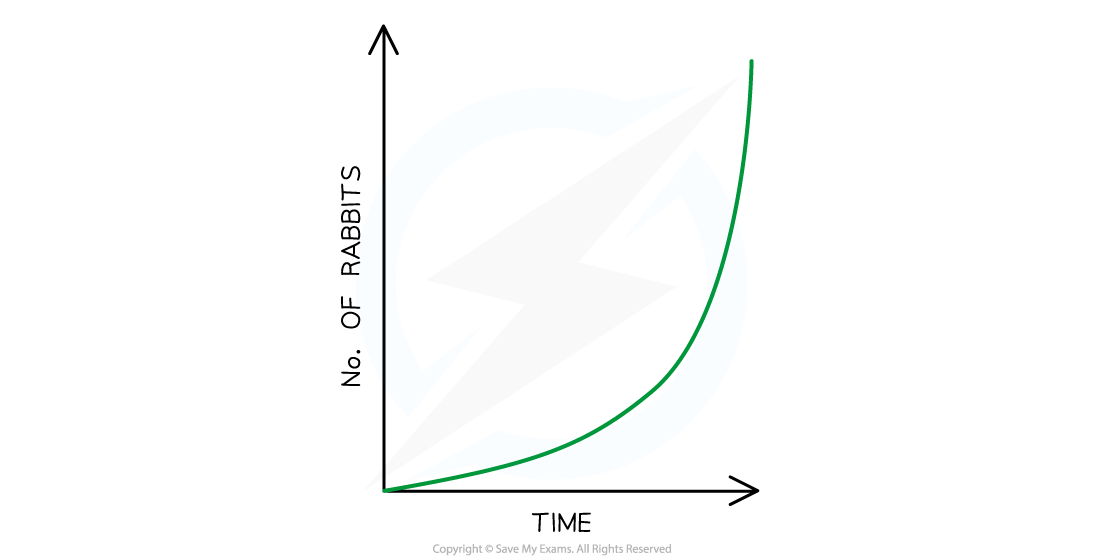
Natural Selection Every individual within a species population has the potential to reproduce and have offspring which contribute to population growth If all the offspring of every individua...

Natural Selection: Hardy-Weinberg Principle The Hardy-Weinberg principle states that if certain conditions are met then the allele frequencies of a gene within a population will not change f...





