AQA A Level Physics复习笔记6.1.1 Circular Motion
Circular Motion Velocity and acceleration are both vector quantities An object in uniform circular motion has a constant linear speed However, it is continuously changing direction. Since ve...
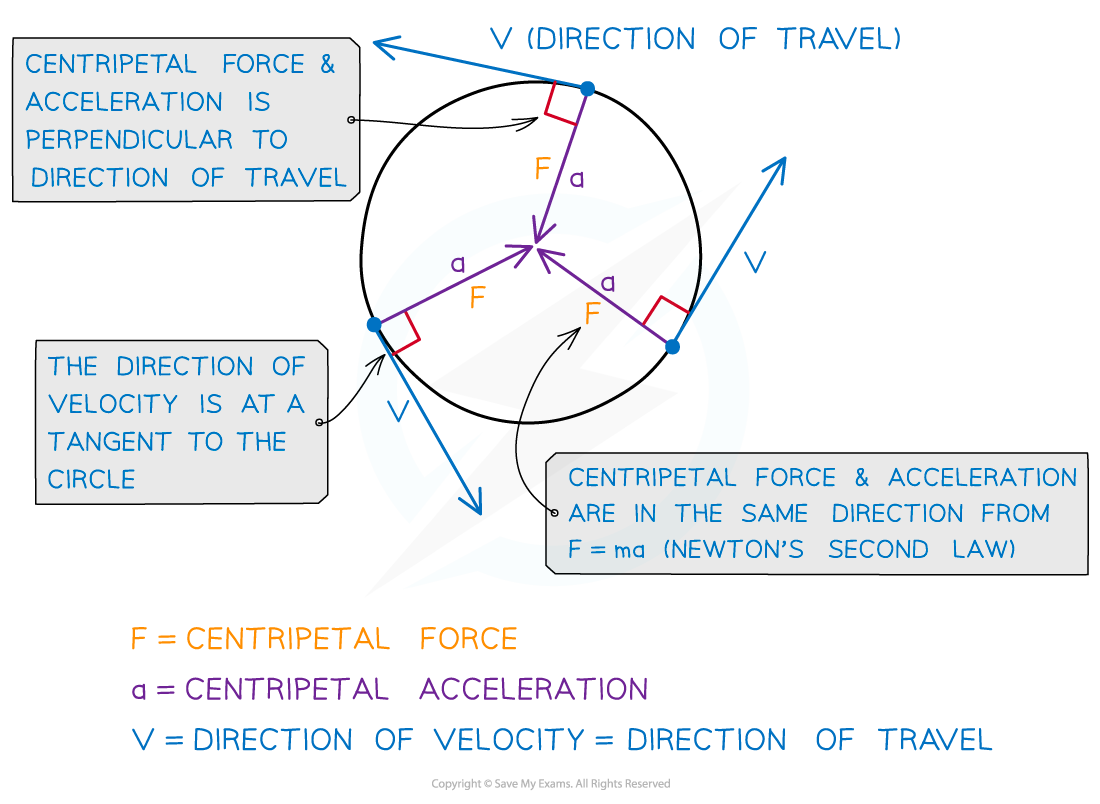
Circular Motion Velocity and acceleration are both vector quantities An object in uniform circular motion has a constant linear speed However, it is continuously changing direction. Since ve...
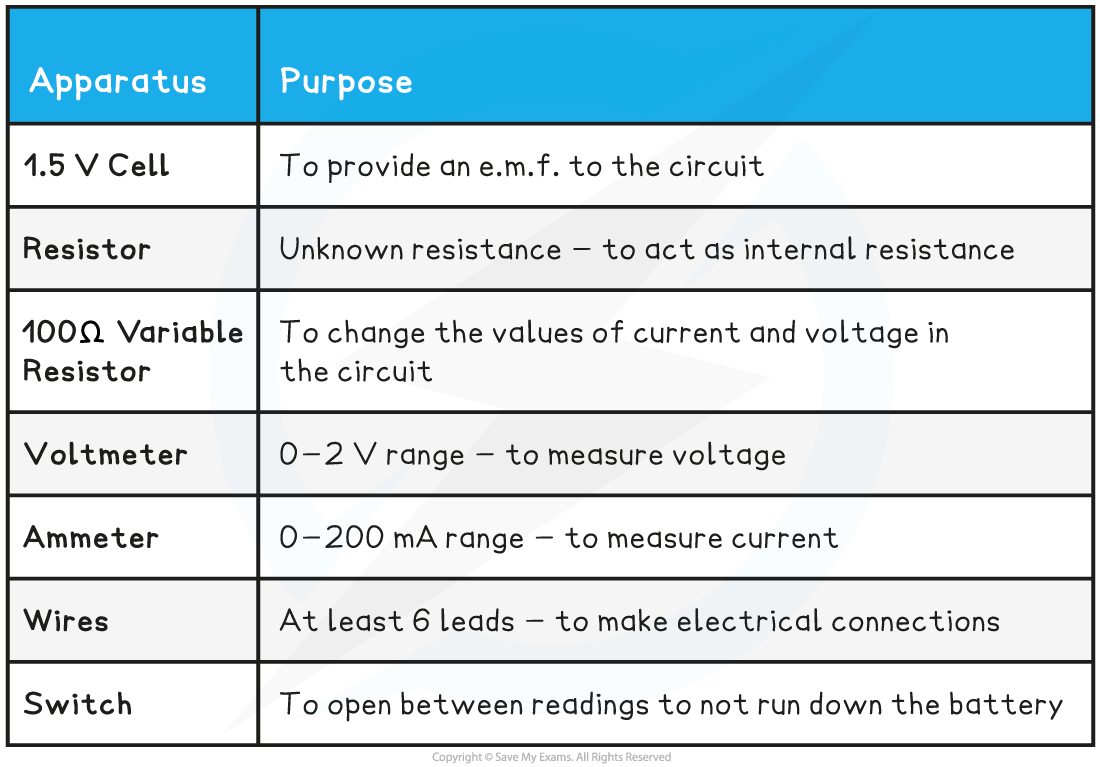
Required Practical: Investigating EMF & Internal Resistance Aims of the Experiment The overall aim of the experiment is to investigate the relationship between e.m.f and internal resista...

Electromotive Force When charge passes through a power supply such as a battery, it gains electrical energy The electromotive force (e.m.f) is defined as: The amount of chemical energy conve...
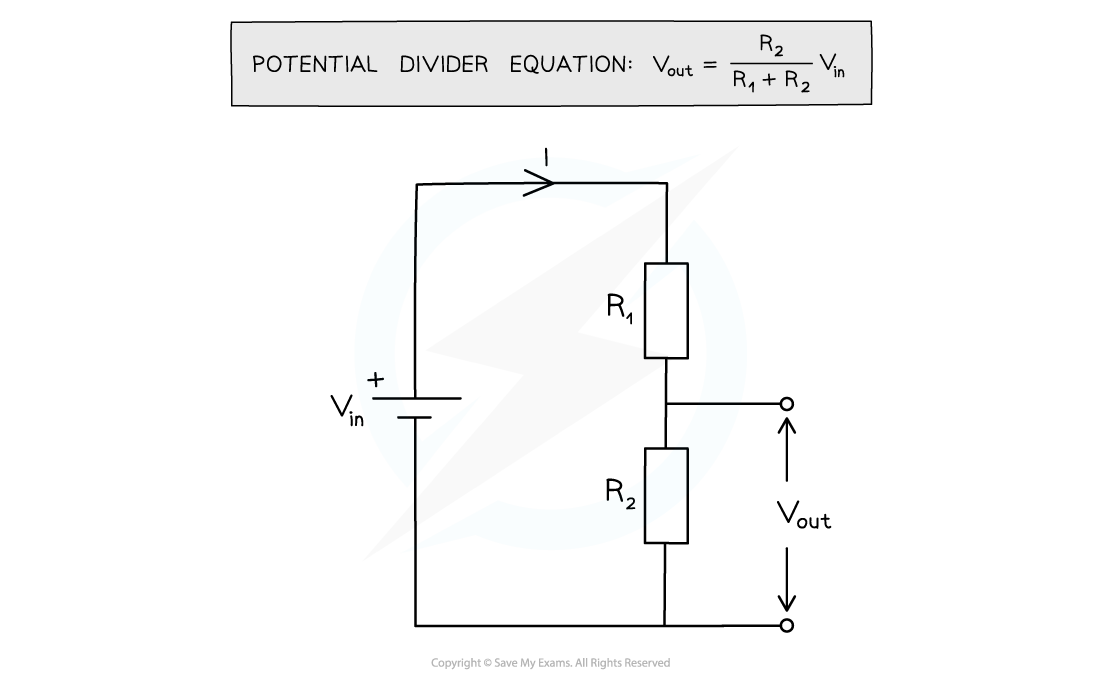
Potential Divider Circuit When two resistors are connected in series, through Kirchhoff’s Second Law, the potential difference across the power source is divided between them Potential divid...

Energy & Power In mechanics, power P is defined as the rate of doing work The potential difference is the work done per unit charge Current is the rate of flow of charge Therefore...
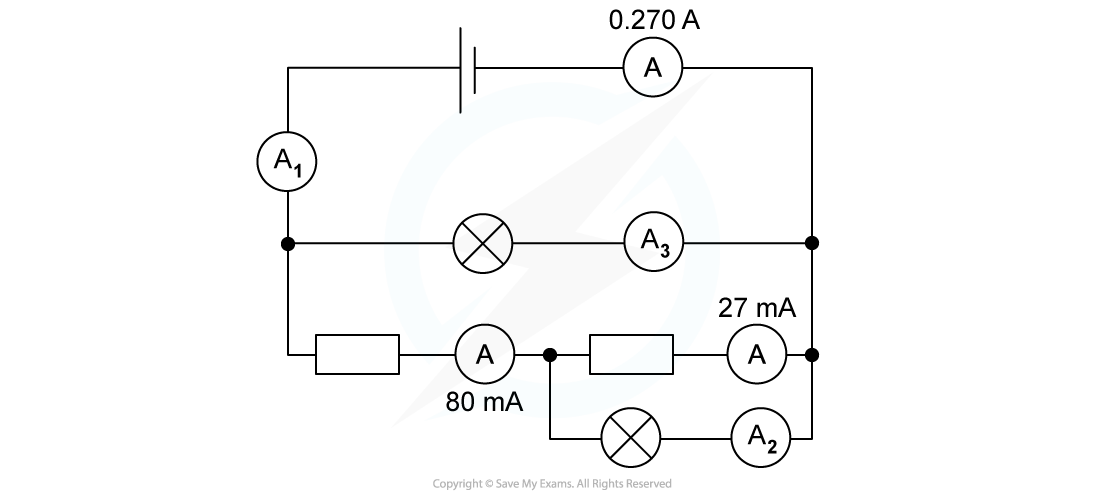
Series & Parallel Circuits Current In a series circuit, the current is the same for all components In a parallel circuit, the current is split across the different branches (or junction)...
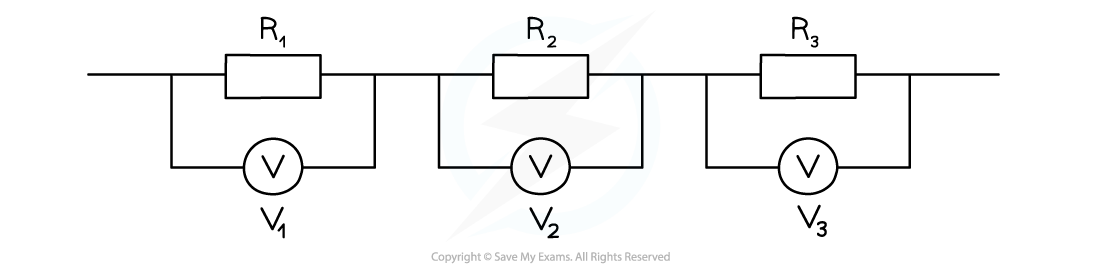
Resistors in Series & Parallel Resistors in Series When two or more components are connected in series: The combined resistance of the components is equal to the sum of individual resist...
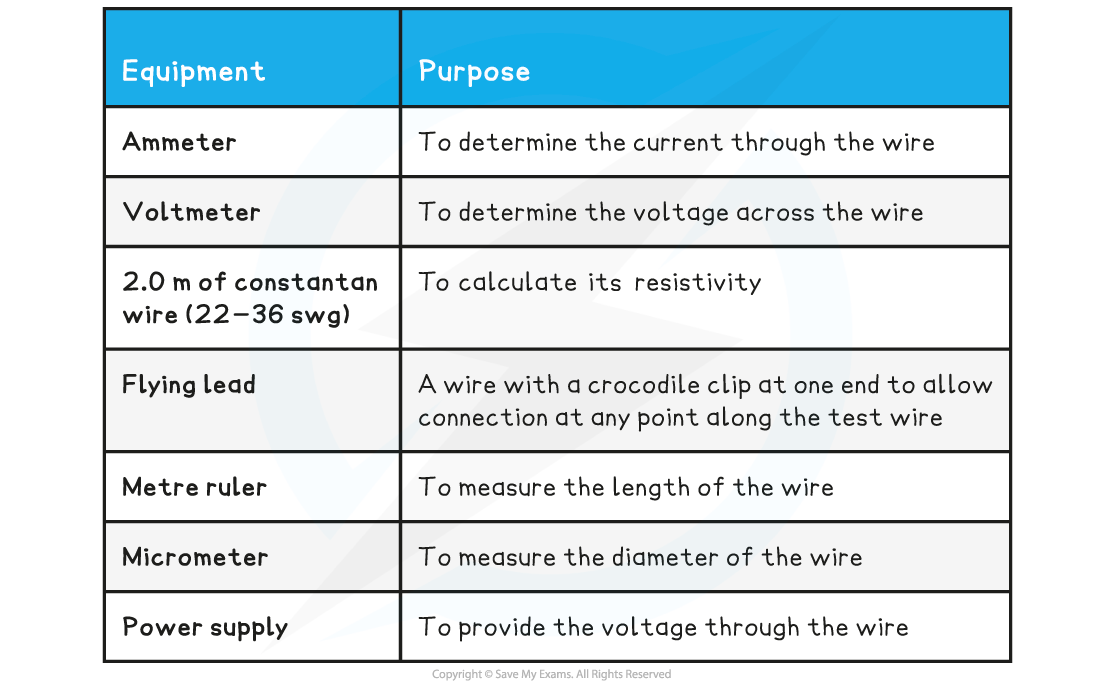
Required Practical: Investigating Resistivity Aims of the Experiment The aim of the experiment is to determine the resistivity of a 2 metre constantan wire Variables: Independent variable = ...
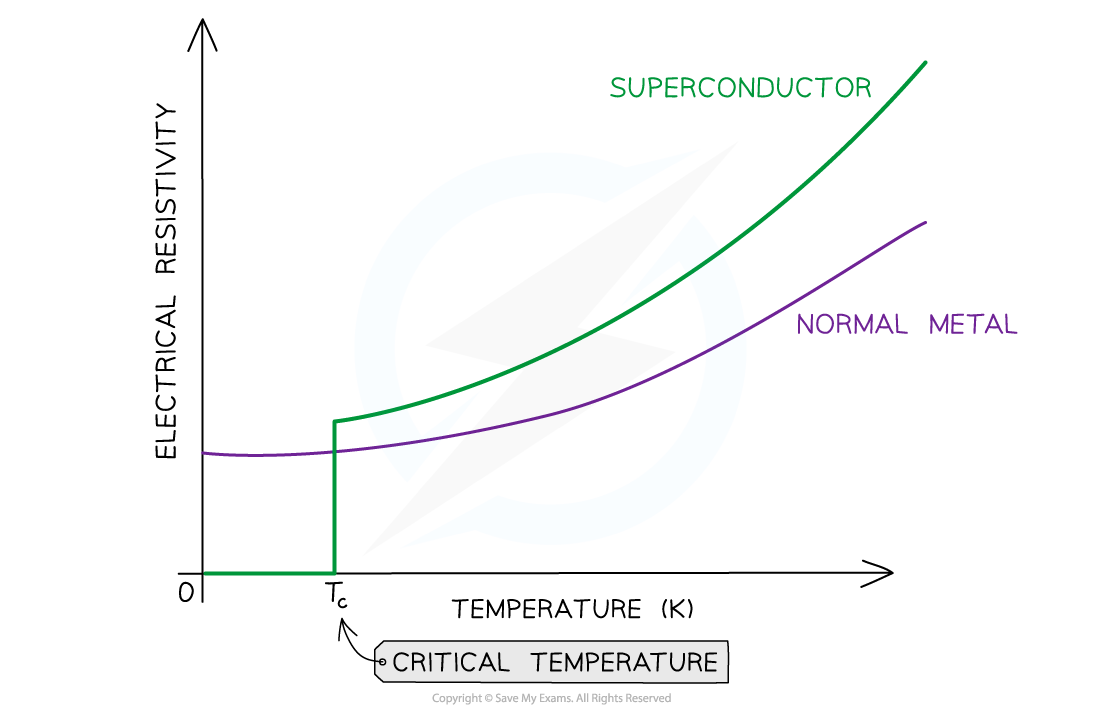
Superconductivity All materials have some resistivity - even good electrical conductors such as copper and silver Resistance means that when electricity flows through a material, it heats up...





