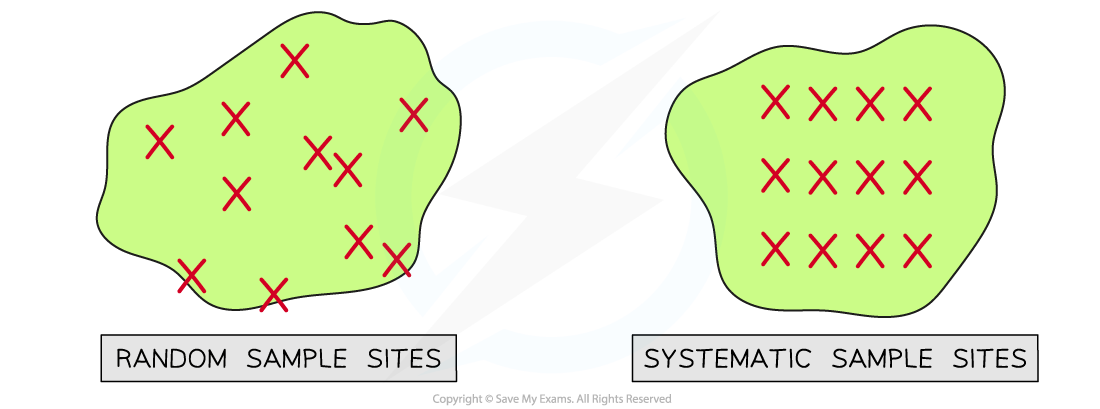
CIE A Level Biology复习笔记18.2.1 Ecosystems & Niches
Ecosystem & Niches Ecosystems Species do not exist by themselves in their own isolated environment, they interact with other species forming communities These communities interact with each oth...
Viruses Viruses are microorganisms that can only be seen using an electron microscope They have no cellular structure (and so are acellular and no metabolism Viruses hijack the DNA replication mach...
Kingdoms The domain Eukarya can be divided into 4 kingdoms: Protoctista Fungi Plantae Animalia Organisms from each of the four kingdoms have distinct characteristics and features, but share similar...
Eukarya The hierarchical classification system of organisms in biology is used to organise and group similar organisms together so that they can be more easily understood There are several taxonomi...
The Three Domains: Archaea, Bacteria & Eukarya Taxonomy is the practice of biological classification It involves placing organisms into a series of categories or taxa By grouping organisms into...
朴茨茅斯大学什么水平?朴茨茅斯大学是英国汉普郡朴茨茅斯市的一所公立大学。该大学最早的前身存在于维多利亚时代,在1992年被授予大学地位之前,该大学曾一直被称为朴茨茅斯理工学院。 学校历史 这所大学是一个...
Definitions of Species Scientists have been classifying organisms into species for hundreds of years, in order to investigate the diversity of life that exists today and in the past There is diffic...
Allopatric & Sympatric Speciation Evolution causes speciation: the formation of new species from pre-existing species over time, as a result of changes to gene pools from generation to generati...
Theory of Evolution A species can be defined as a group of organisms that are able to interbreed and produce fertile offspring Members of one species are reproductively isolated from members of ano...
Examples of Selective Breeding Selective breeding (or artificial selection) is the process by which humans choose individuals with desired traits to reproduce, with the aim of producing offspring w...
Artificial Selection Artificial selection is the process by which humans choose organisms with desirable traits and selectively breed them together to enhance the expression of these desirable trai...
Natural Selection: Hardy-Weinberg Principle The Hardy-Weinberg principle states that if certain conditions are met then the allele frequencies of a gene within a population will not change from one...
© 2026. All Rights Reserved. 沪ICP备2023009024号-1