AQA A Level Maths: Pure复习笔记2.2.2 Discriminants
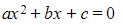
Discriminants What is a discriminant? The discriminant is the part of the quadratic formula that is under the square root sign It is sometimes denoted by the Greek letter (capital delta) Ho...
Quadratic Graphs What are quadratic graphs? The general equation of a quadratic graph is Their shape is called a parabola ("U" shape) Positive quadratics have a value of so the parabola is u...
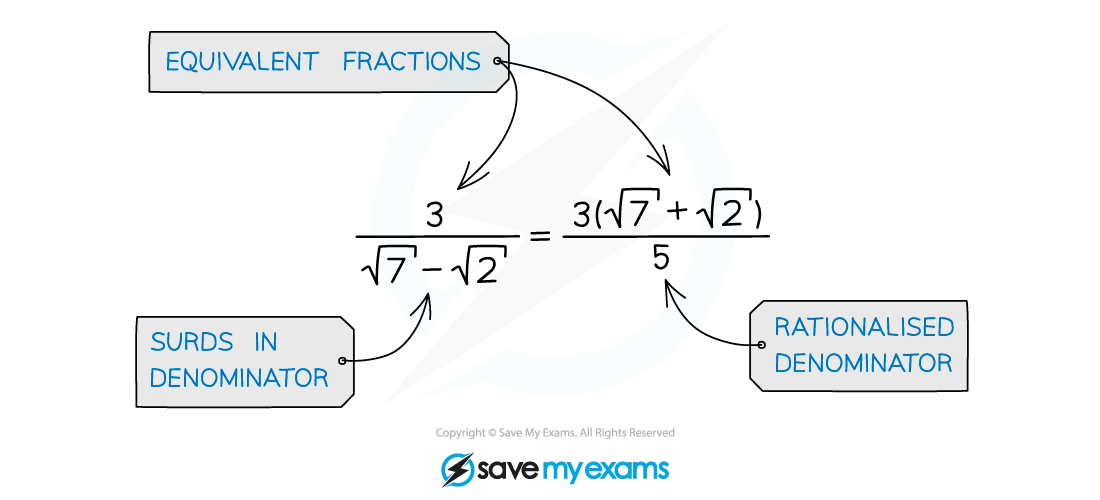
Surds - Rationalising the Denominator What does it mean to rationalise a denominator? Rationalising a denominator changes a fraction with surds in its denominator, into an equivalent fractio...
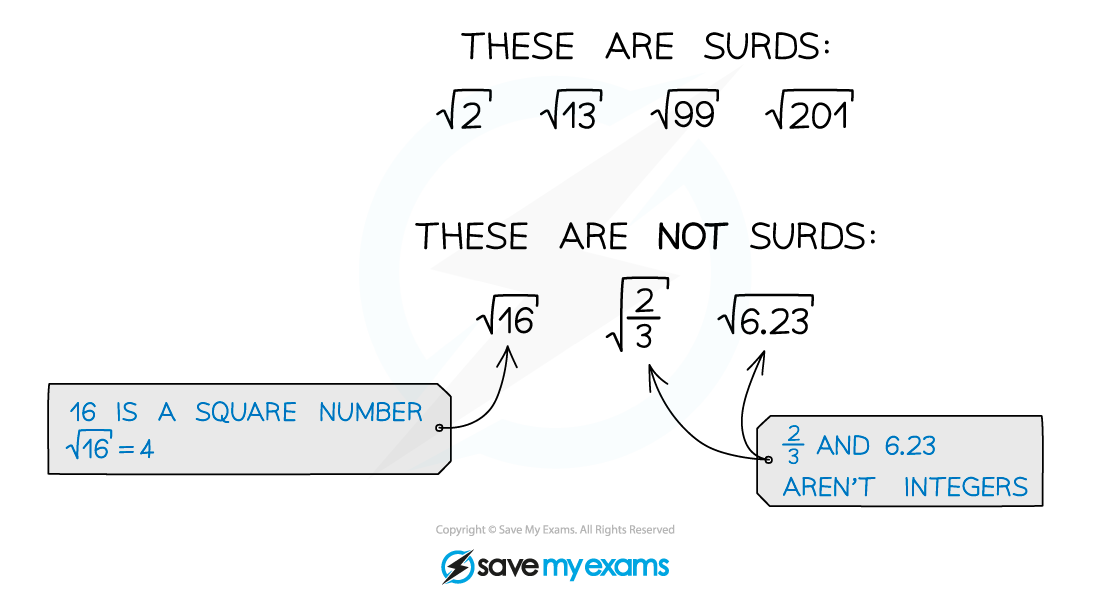
Manipulating Surds What are surds? If n is a positive integer and is not a square number, then √n (or any multiple of √n ) is a surd Surds are examples of irrational numbers What do I need t...
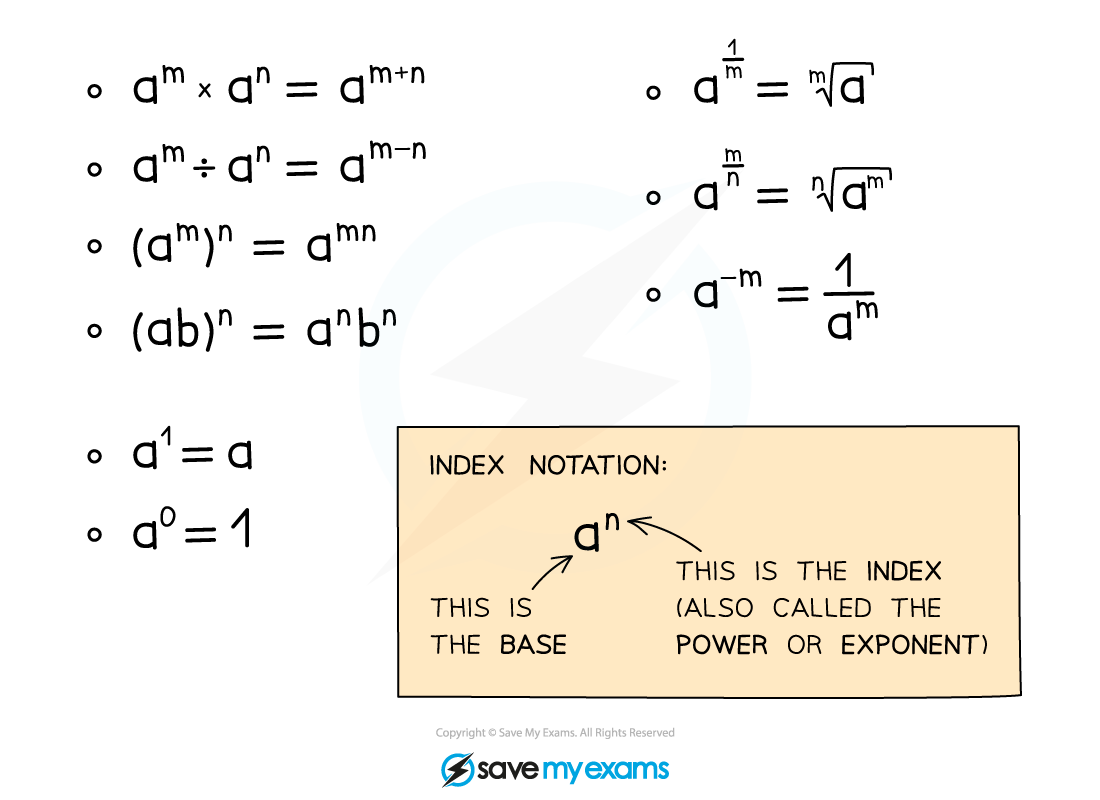
Laws of Indices What do I need to know about laws of indices? Laws of indices (or index laws – 'index' is the singular, 'indices' is the plural) allow you to simplify and manipulate expressi...
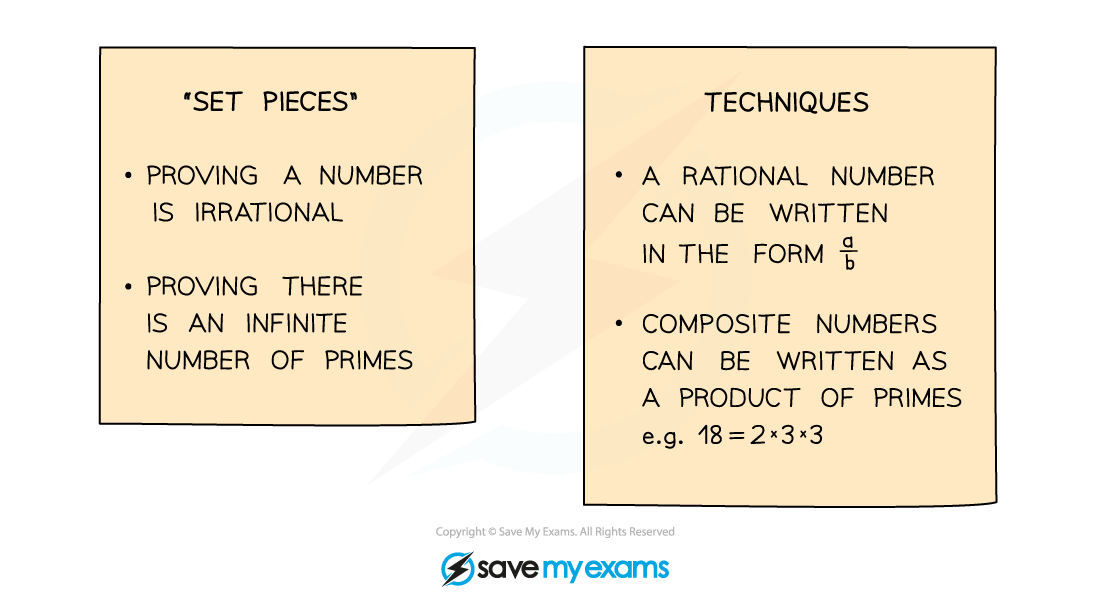
Proof by Contradiction What is proof by contradiction? A proof by contradiction assumes the opposite result is true Then, through a series of logical steps, shows that this cannot be so How ...
Disproof by Counter Example What is disproof by counter-example? Disproof by counter-examples involves finding a value that does not work for the given statement That value is called a count...
Proof by Exhaustion What is proof by exhaustion? Proof by exhaustion is a way to show that the desired result works for every allowed value How do I prove a result by exhaustion? Using proof by exh...
Proof by Deduction What is proof by deduction? Proof by deduction is when a mathematical and logical argument is used to shows whether or not a result is true How to do proof by deduction &n...
© 2026. All Rights Reserved. 沪ICP备2023009024号-1