AQA A Level Chemistry复习笔记7.10.3 ¹³C NMR
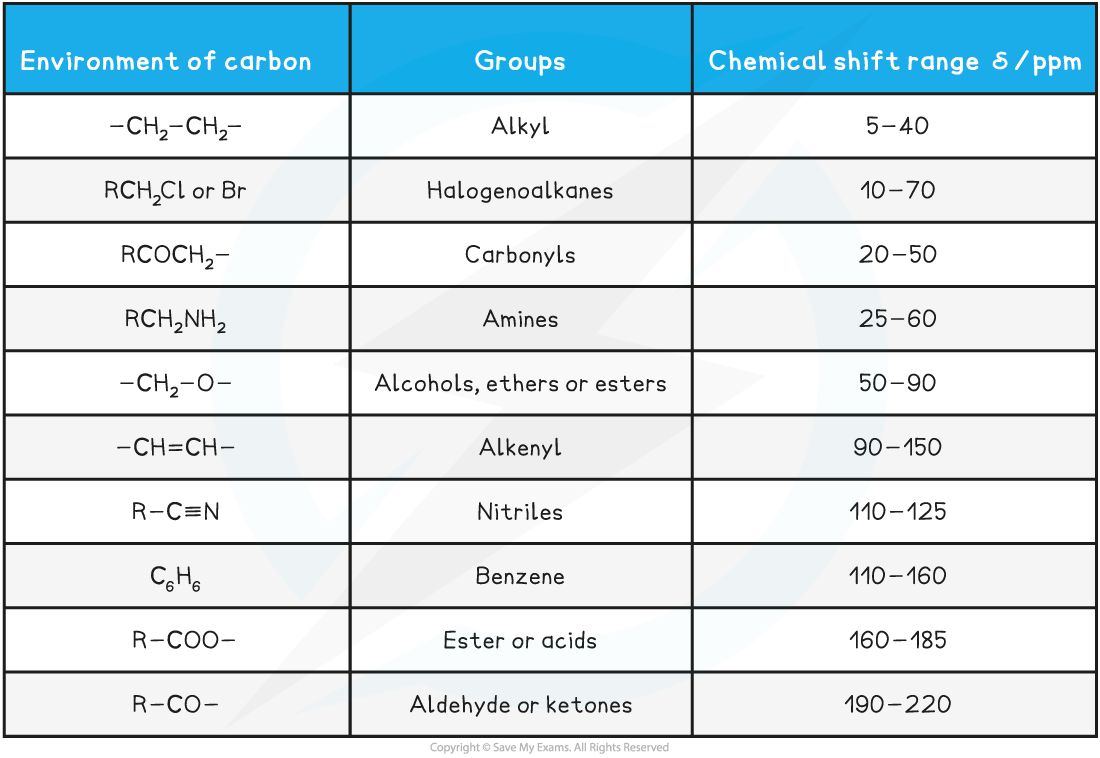
¹³C NMR Nuclear Magnetic Resonance (NMR) spectroscopy is used for analysing organic compounds Atoms with odd mass numbers usually show signals on NMR For example, isotopes of atoms Many of t...
¹H NMR Features of a 1H NMR spectrum NMR spectra shows the intensity of each peak against their chemical shift The area under each peak gives information about the number of protons in a par...
Action of Anticancer Drugs In the 1960s the drug cis-platin was discovered, which has been extremely effective in treating a number of different types cancer such as testicular, ovarian, cer...
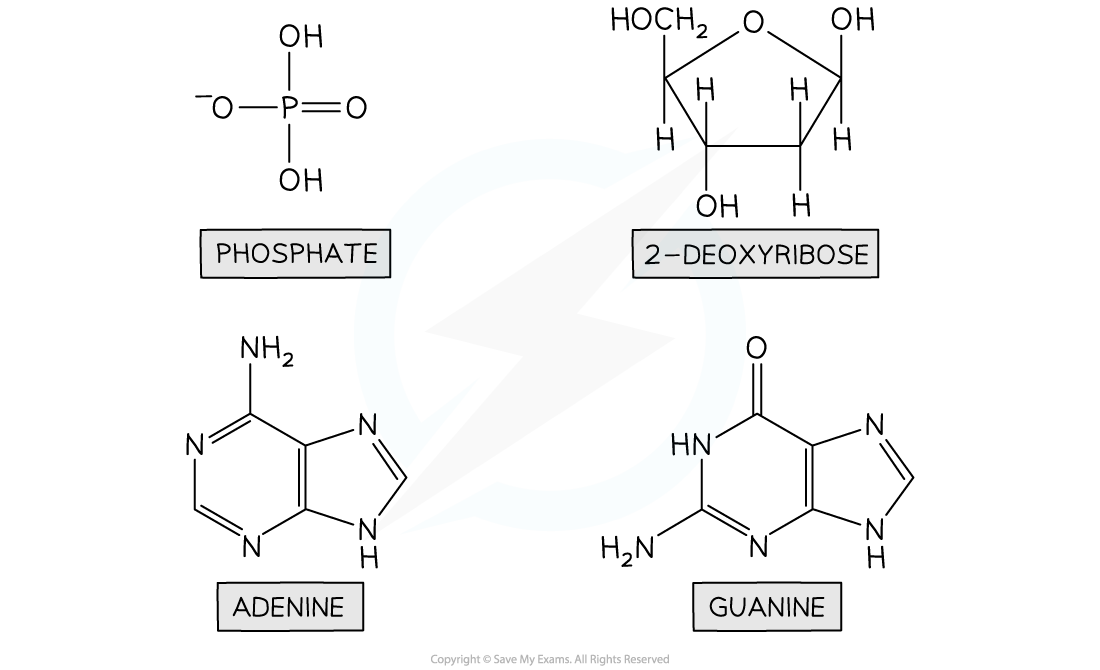
DNA The nucleic acid DNA is a polynucleotide – it is made up of many nucleotides bonded together in a long chain A nucleotide is a building block consisting of a phosphate group, 2-deoxyribo...
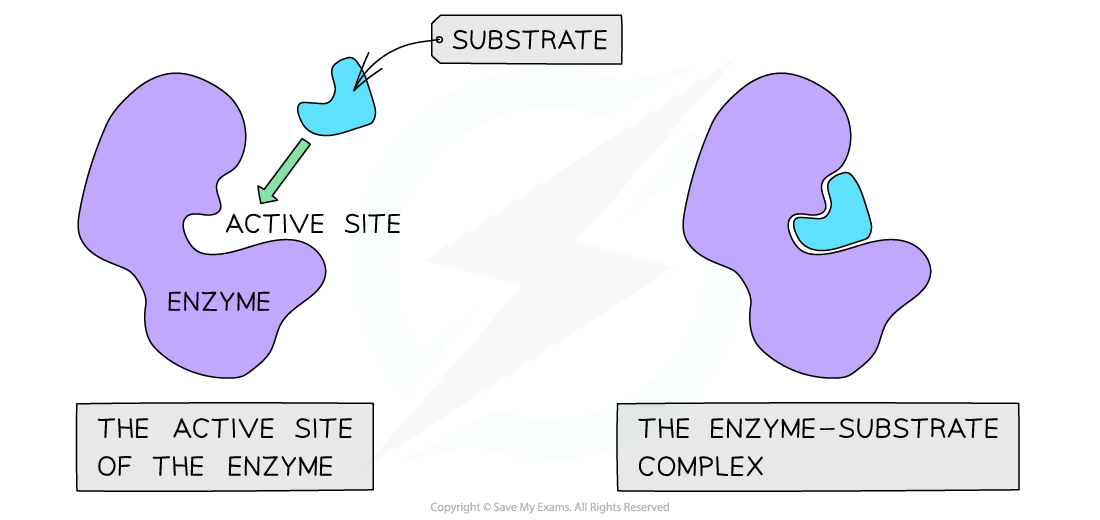
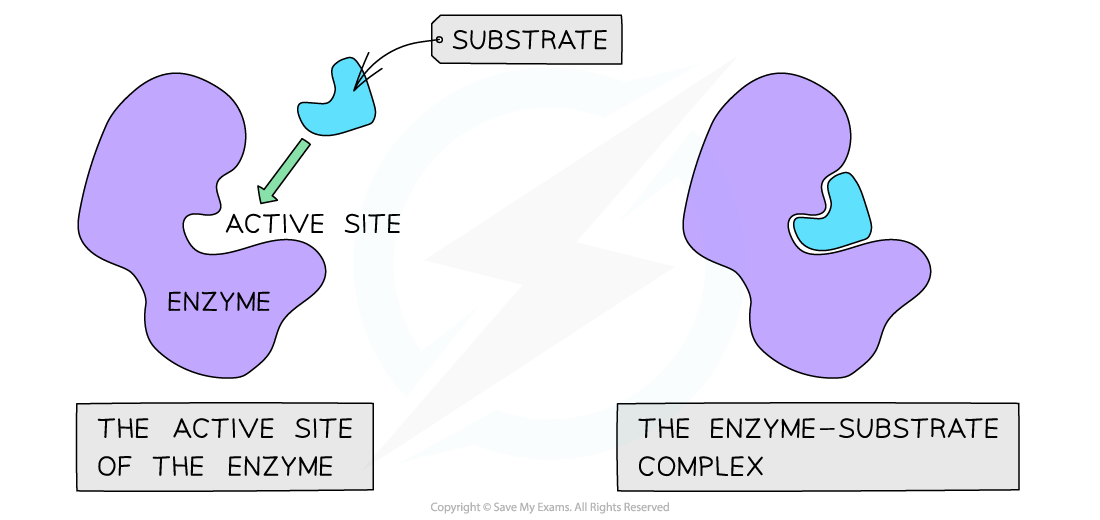
Enzymes Enzymes are biological catalysts ‘Biological’ because they function in living systems ‘Catalysts’ because they speed up the rate of chemical reactions without being used up or change...
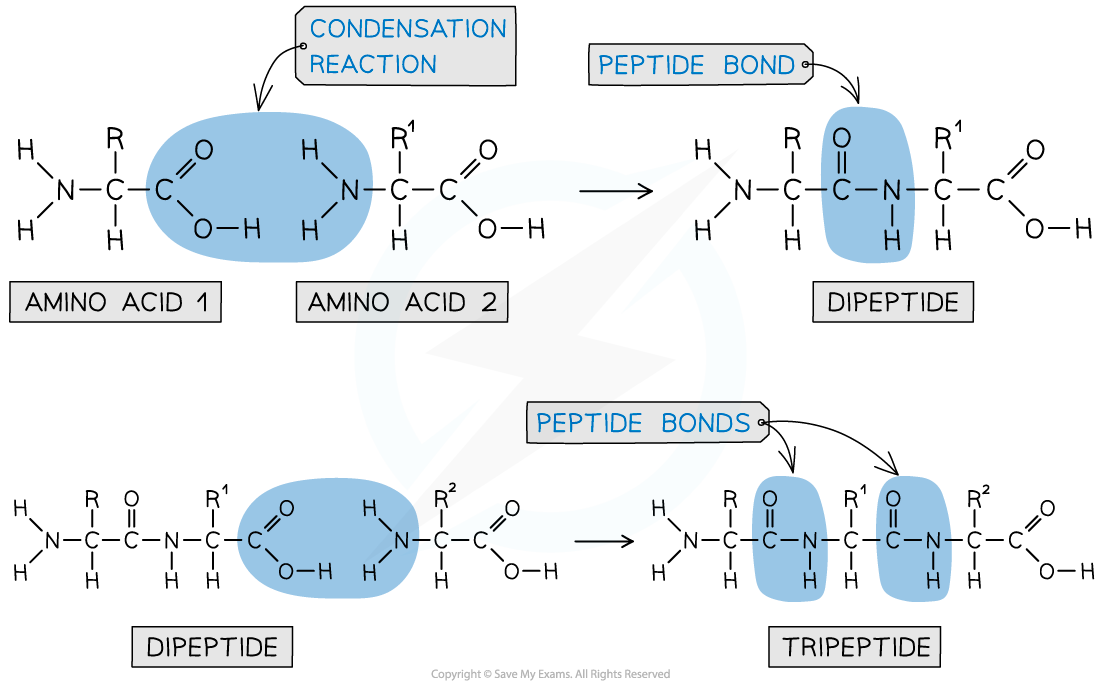
Proteins Each amino acid contains an amine (-NH2) and carboxylic acid (-COOH) group The -NH2 group of one amino acid can react with the -COOH group of another amino acid in a condensation re...
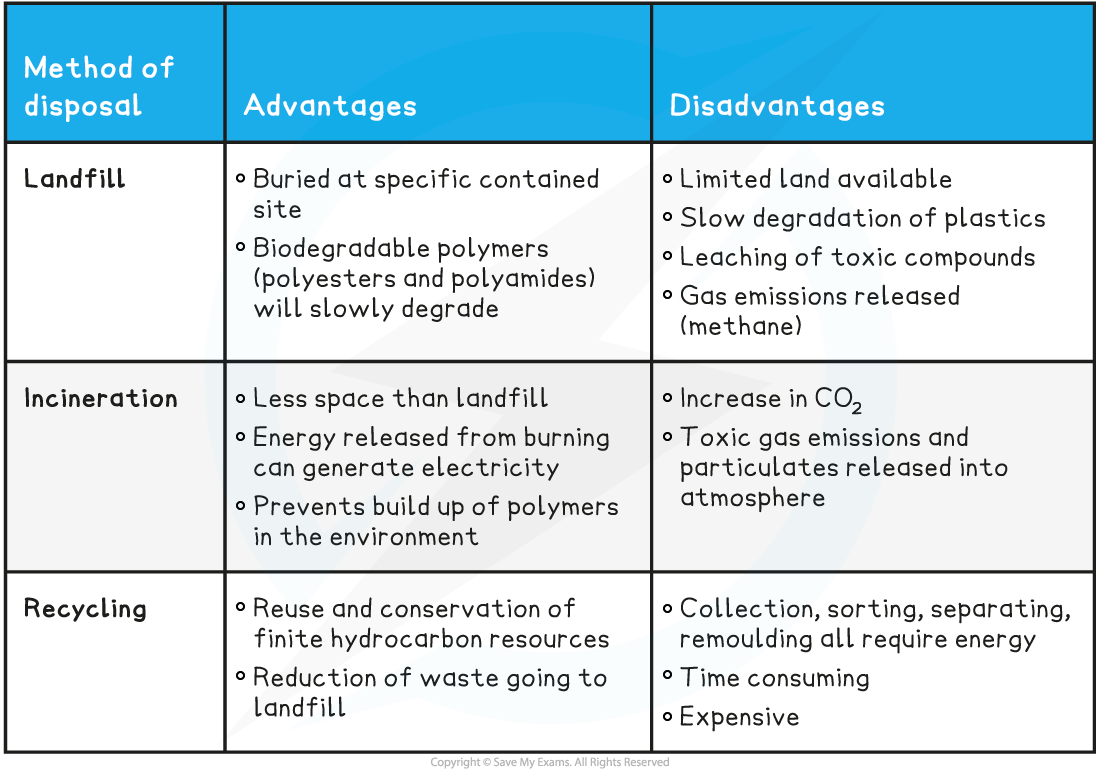
Biodegradability Biodegradable polymers Both polyesters and polyamides can be broken down using hydrolysis reactions This is a major advantage over the polymers produced using alkene monomer...
Quaternary Ammonium Salts Quaternary ammonium salts are chemical analogues to ammonium chloride, NH4Cl, in which the hydrogens have been replaced by four alkyl groups They are very useful in...
© 2026. All Rights Reserved. 沪ICP备2023009024号-1