IB DP Chemistry: HL复习笔记4.1.1 Forming Ions
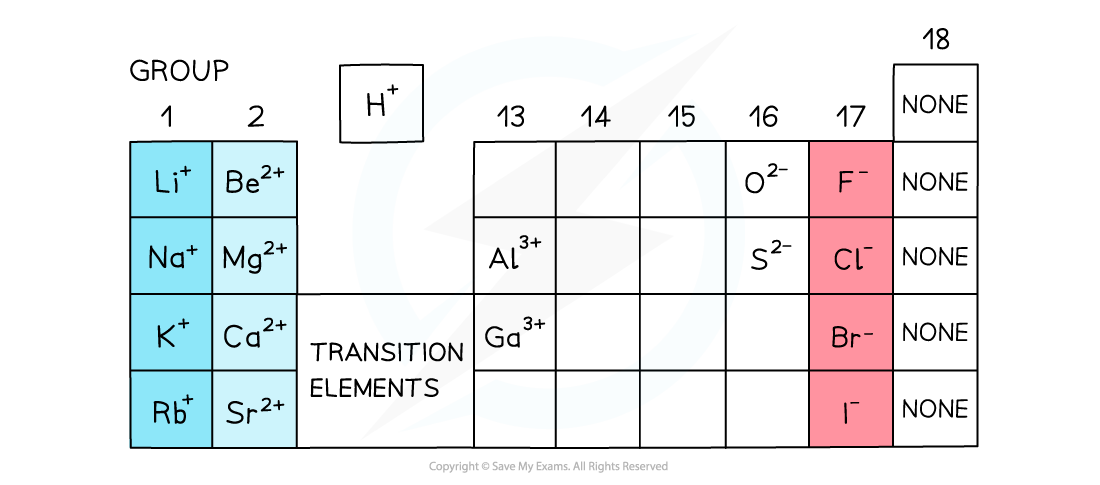
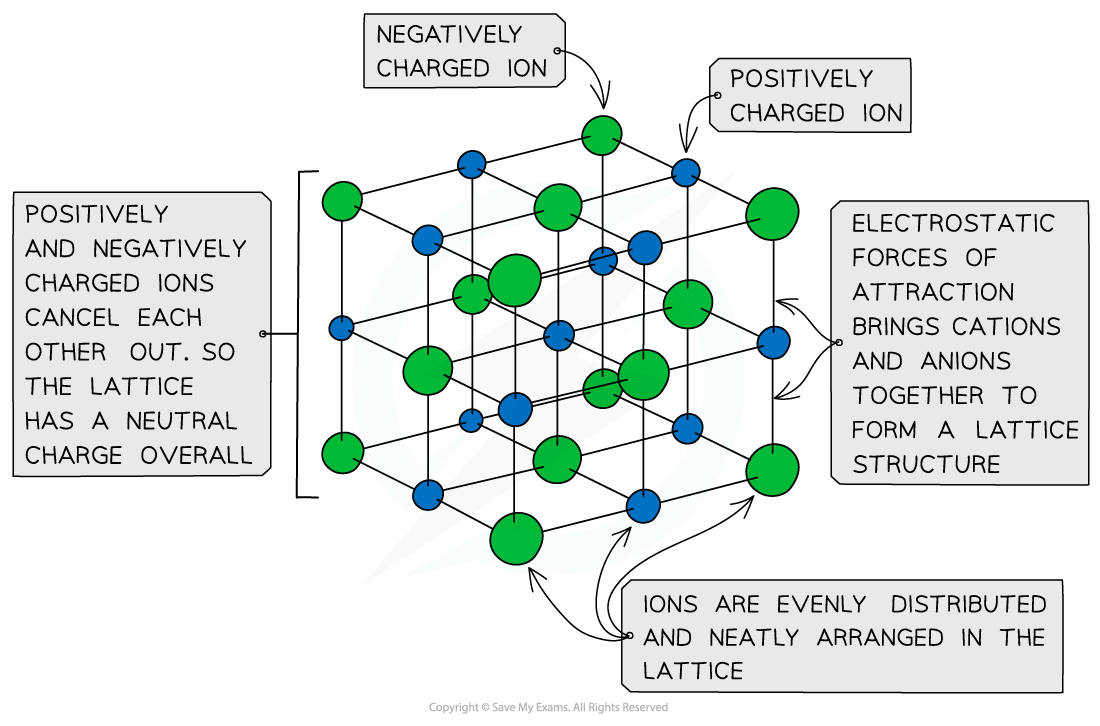
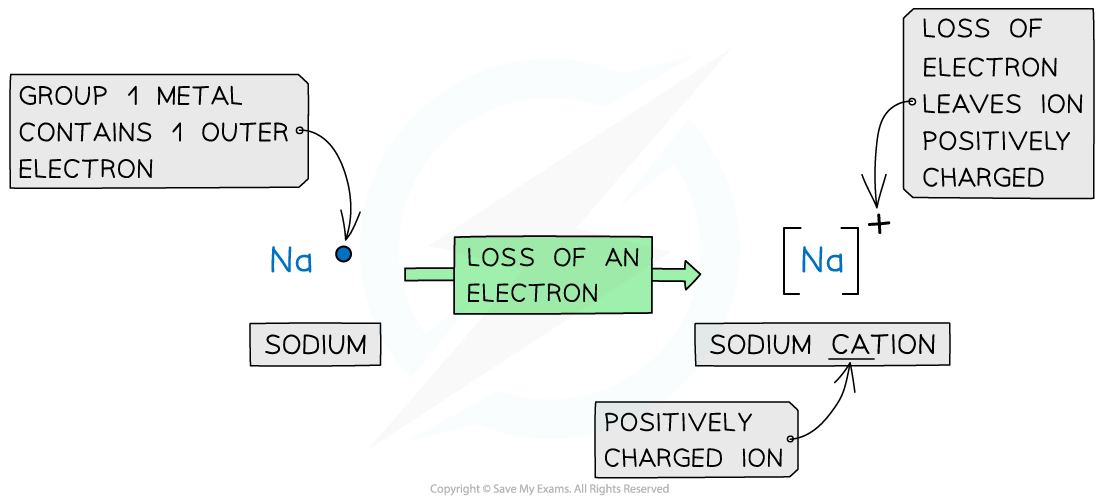
Forming Ions As a general rule, metals are on the left of the Periodic Table and non-metals are on the right-hand side Ionic bonds involve the transfer of electrons from a metallic element to a non...
Halogens The halogens These are the group 17 non-metals that are poisonous and include fluorine, chlorine, bromine, iodine and astatine Halogens are diatomic, meaning they form molecules of two ato...
Alkali Metals The group 1 metals The group 1 metals are called the alkali metals because they form alkaline solutions with high pH values when reacted with water Group 1 metals are lithium, sodium,...
Oxides Oxides across a period The acid-base character of the oxides provides evidence of chemical trends in the periodic table The broad trend is that oxides change from basic through amphoteric to...
Improper Algebraic Fractions What are top-heavy (improper) rational expressions (or algrbraic fractions)? The degree of the numerator is greater than or equal to the degree of the denominato...
Rational Expressions (Algebraic Fractions) What are rational expressions? Rational numbers are numbers that can be written as a fraction (quotient)Rational comes from ratio – a number is rat...
Metallic & Non-metallic Periodic trends can also be seen in the typical properties of metals and non-metals which are summarised below: The typical properties of metals and non-metals The typic...
Electronegativity: Definition Electronegativity is the ability of an atom to attract a pair of electrons towards itself in a covalent bond This phenomenon arises from the positive nucleus’s ability...
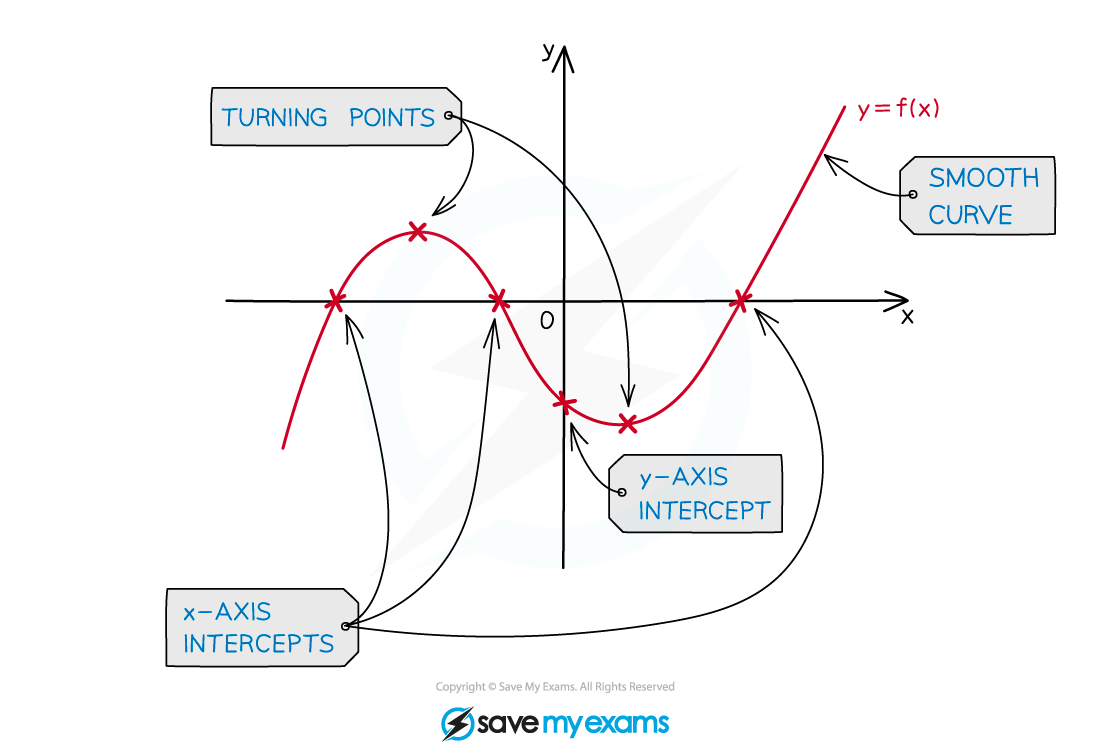
Polynomial Factorisation What is polynomial factorisation? Factorising a polynomial combines the factor theorem with the method of polynomial division The goal is to break down a polynomial ...
Electron Affinity When atoms gain electrons they become negative ions or anions Electron affinity (EA) can be thought of as the opposite process of ionisation energy and is defined as The amount of...
Factor Theorem What is the factor theorem? The factor theorem is a very useful result about polynomials A polynomial is an algebraic expression consisting of a finite number of terms, with n...
First Ionisation Energy The ionisation energy (IE) of an element is the amount of energy required to remove one mole of electrons from one mole of atoms of an element in the gaseous state to form o...
© 2026. All Rights Reserved. 沪ICP备2023009024号-1