AQA A Level Chemistry复习笔记3.4.4 Test for Unsaturation
Test for Unsaturation Halogens can be used to test if a molecule is unsaturated (i.e. contains a double bond) Br2(aq) is an orange or yellow solution, called bromine water and this is the ha...
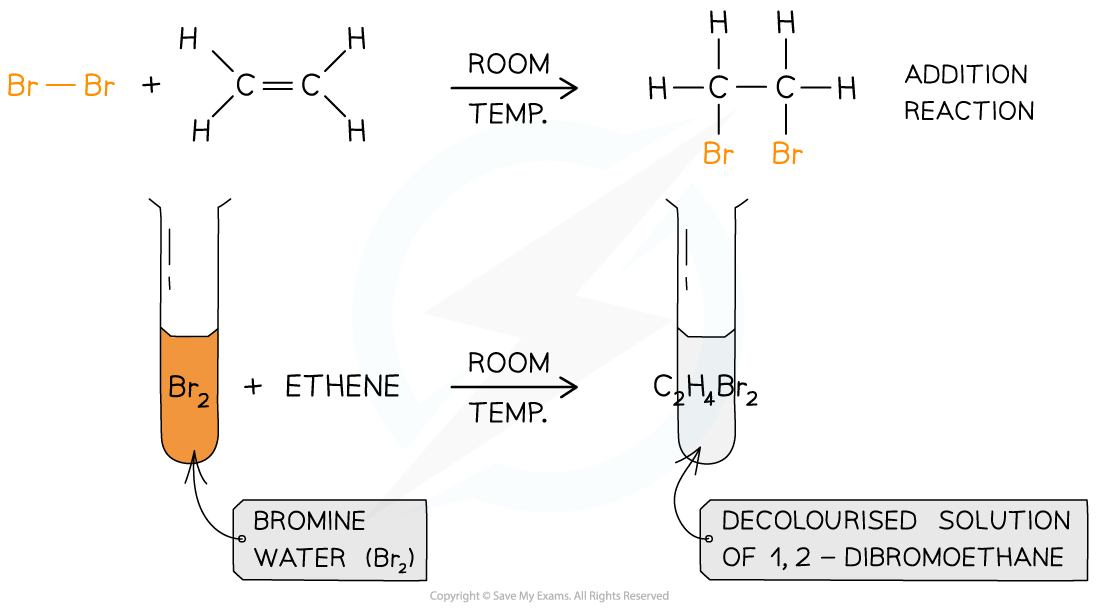
Test for Unsaturation Halogens can be used to test if a molecule is unsaturated (i.e. contains a double bond) Br2(aq) is an orange or yellow solution, called bromine water and this is the ha...
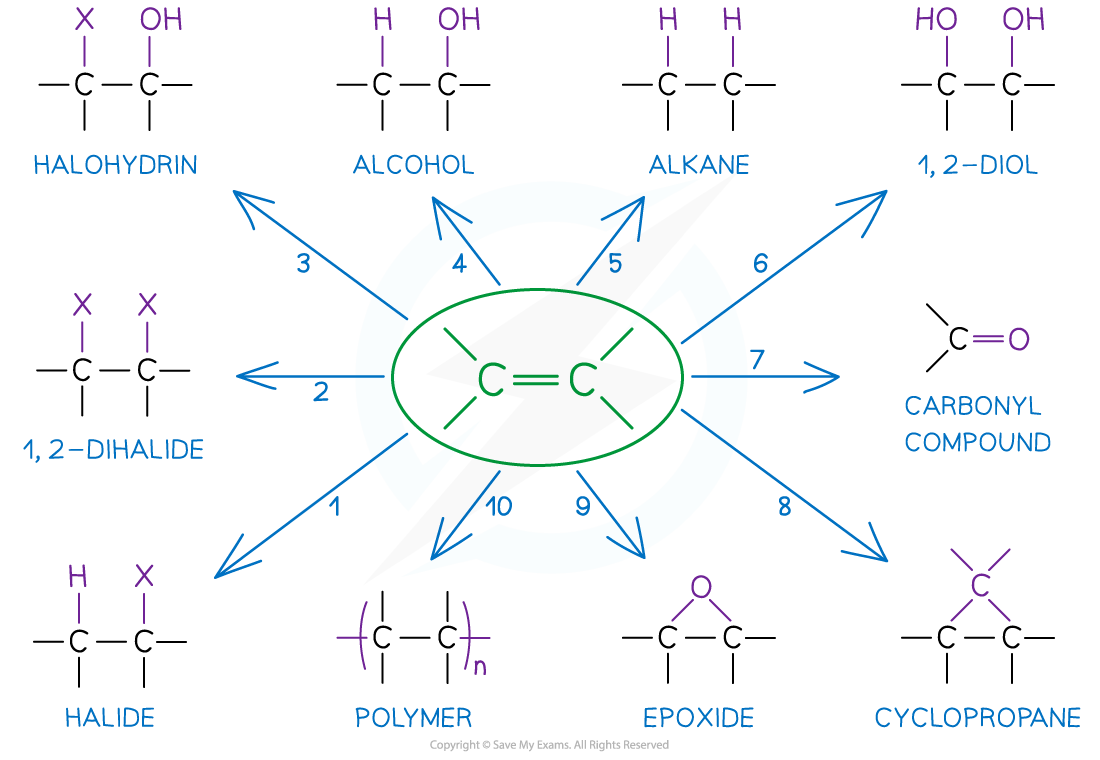
Alkenes: Reactions Alkenes are very useful compounds as they can undergo many types of reactions They can therefore be used as starting molecules when making new compounds Electrophilic addi...
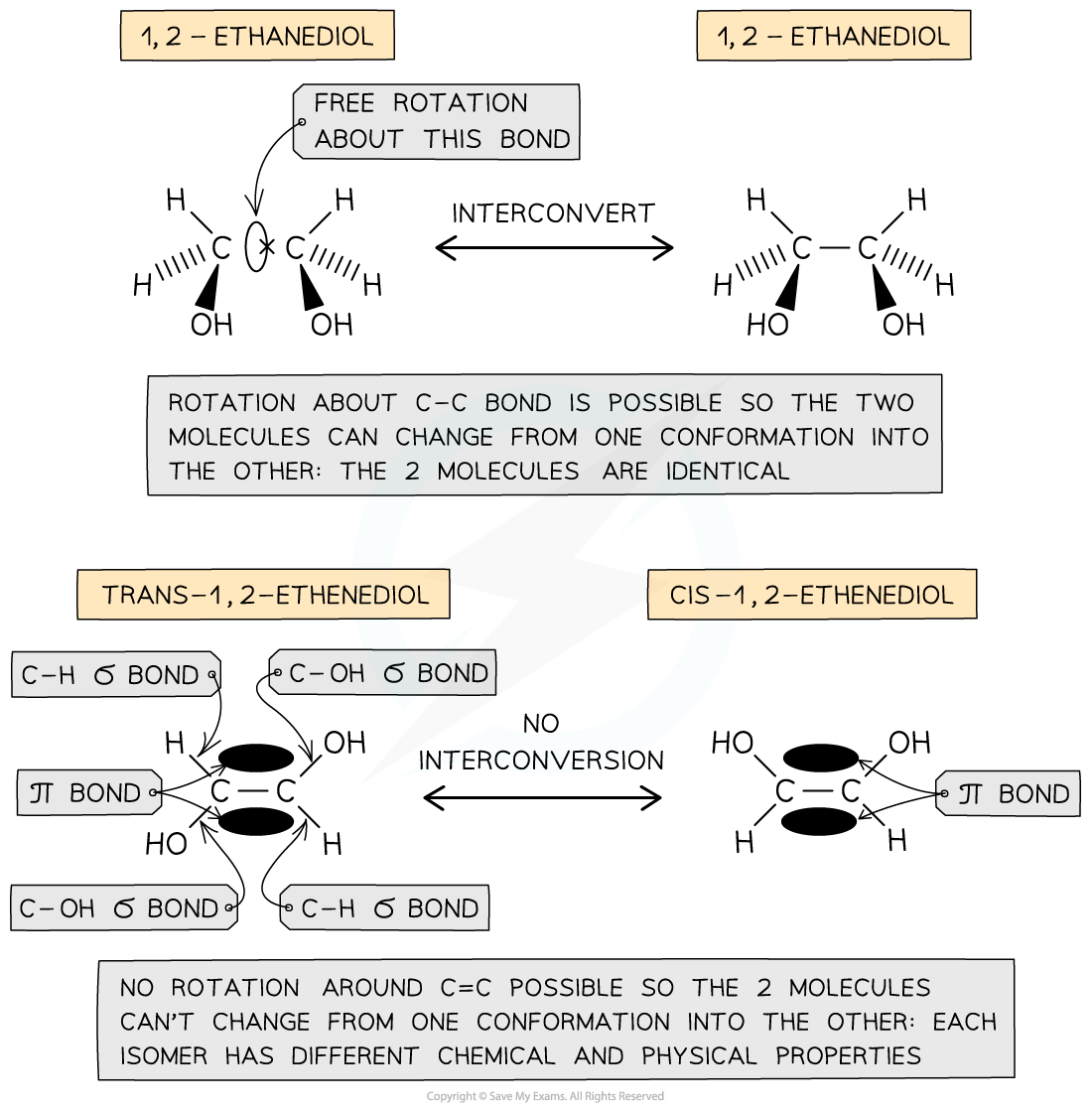
Isomerism in Alkenes Unsaturated compounds In unsaturated compounds, the groups attached to the C=C carbons remain fixed in their position This is because free rotation of the bonds about th...

Uses Fluorohalogenoalkanes The most common halogenoalkanes are chlorofluorocarbons (CFCs) These compounds contain carbon atoms with chlorine and fluorine atoms attached to them E.g. CCl3F an...
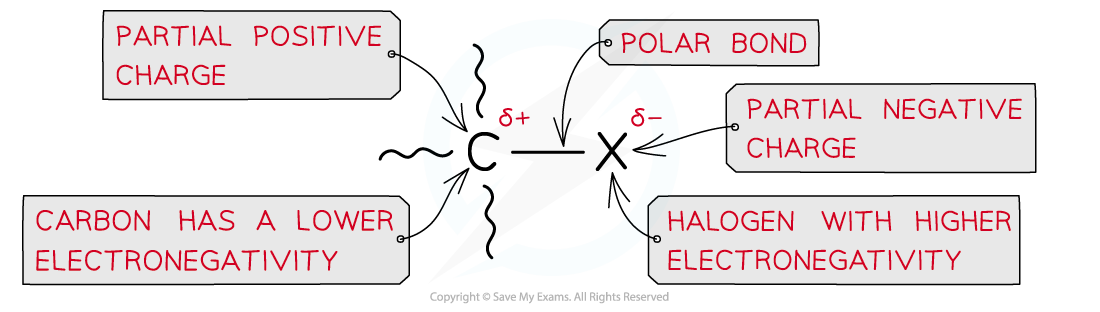
The Key Reactions of the Halogenoalkanes Types of Reactions that halogenoalkanes undergo: Halogenoalkanes are much more reactive than alkanes due to the presence of the electronegative halog...
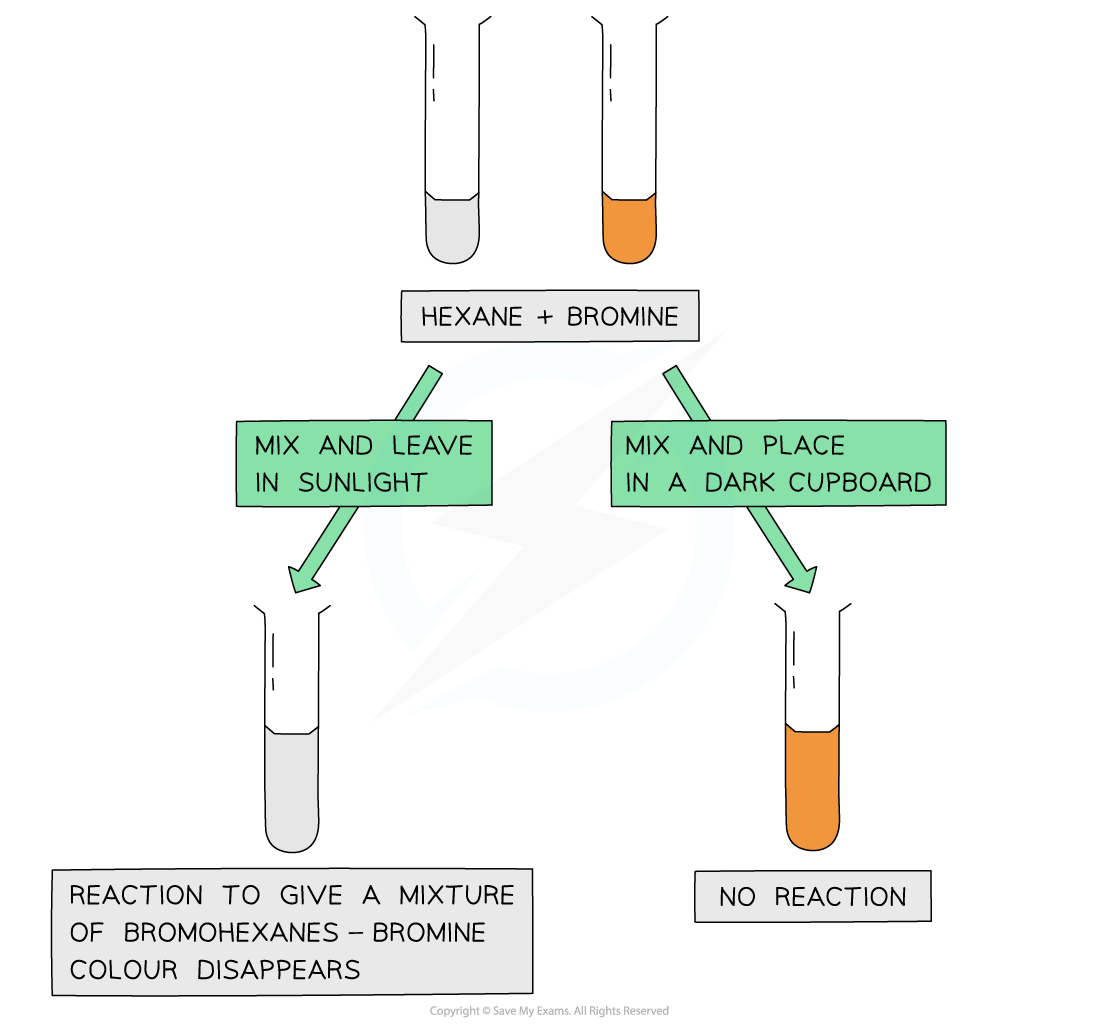
Free Radical Substitution Free-radical substitution of alkanes Alkanes can undergo free-radical substitution in which a hydrogen atom gets substituted by a halogen (chlorine/bromine) Since ...
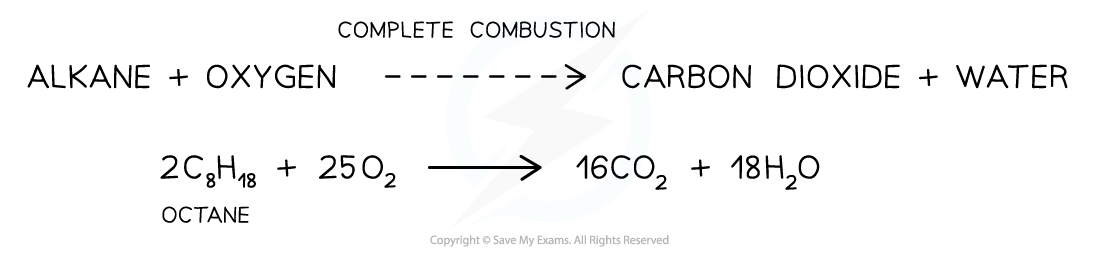
Combustion Alkanes are combusted (burnt) on a large scale for their use as fuels Complete combustion When alkanes are burnt in excess (plenty of) oxygen, complete combustion will take place ...
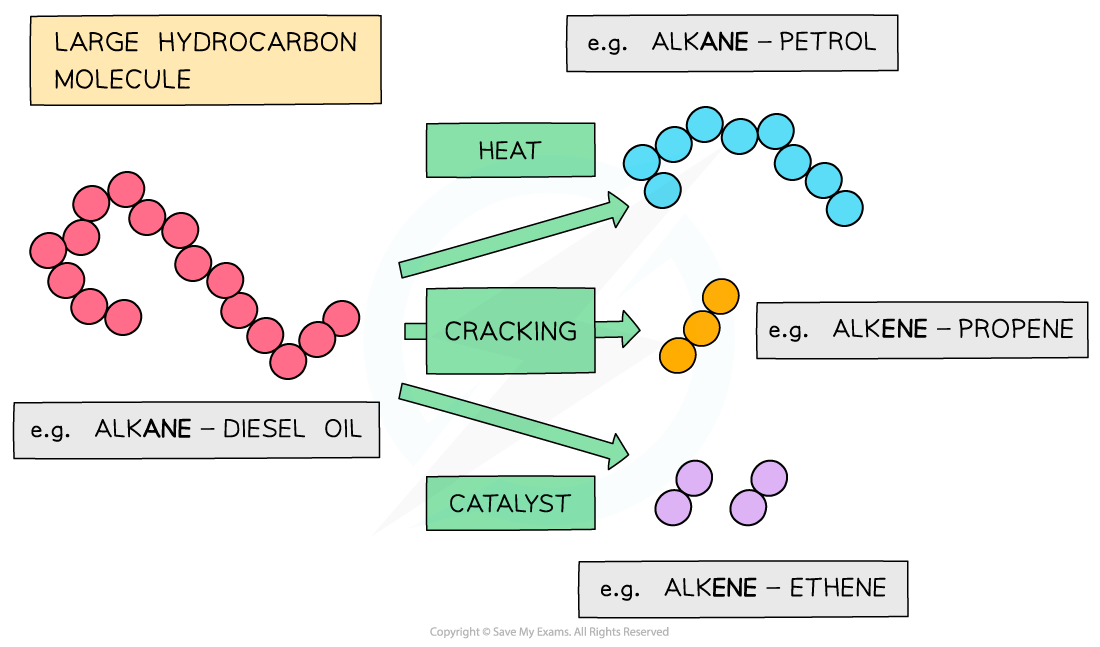
Cracking Alkanes are hydrocarbons that can be produced by the addition reaction of hydrogen to an alkene or by cracking of longer alkane chains Crude oil Crude oil is a mixture of hydrocarbo...
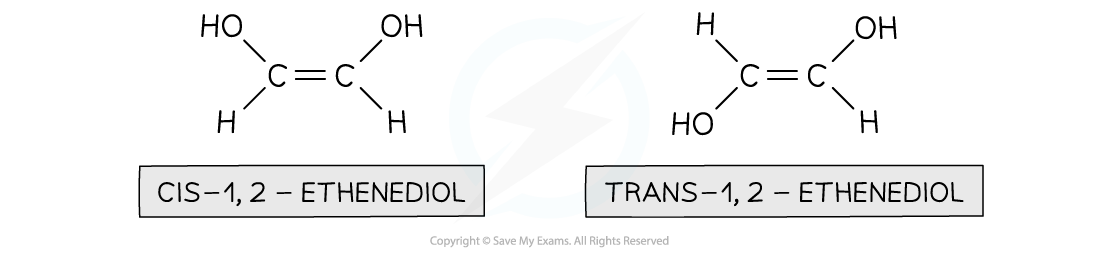
Stereoisomerism: Geometrical Isomerism Stereoisomers are compounds that have the same atoms connected to each other, however the atoms are differently arranged in space There are two types o...





