Edexcel A Level Physics:复习笔记2.21 Power
Power The power of a mechanical process is the rate at which energy is transferred Since work done is equal to the energy transferred, power can also be defined as the rate of doing work or the wor...

Power The power of a mechanical process is the rate at which energy is transferred Since work done is equal to the energy transferred, power can also be defined as the rate of doing work or the wor...
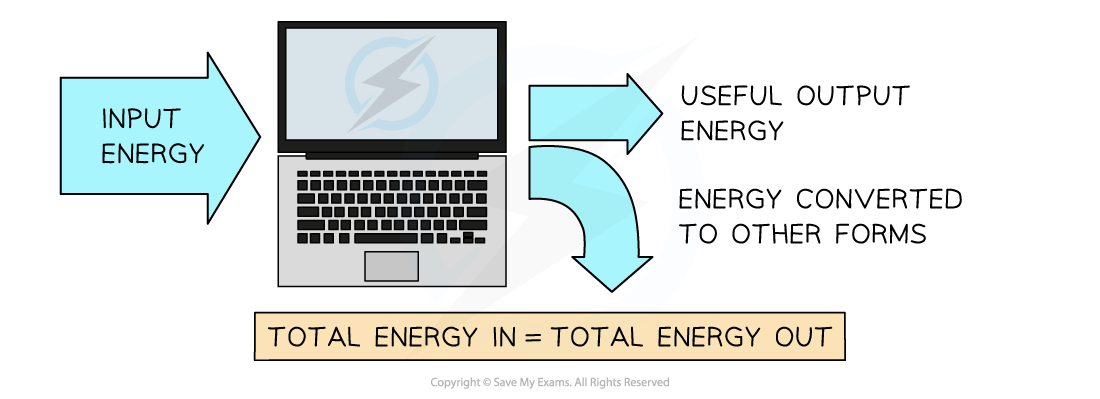
The Principle of Conservation of Energy The principle of conservation of energy is a law of Physics which always applies to a closed system To apply conservation of energy, heat losses are usually ...
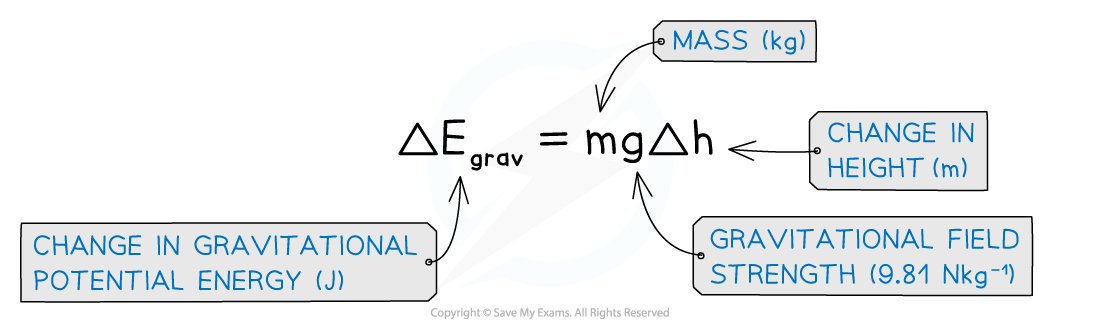
Gravitational Potential Energy Gravitational potential energy (usually written Ep, but sometimes GPE) is energy stored in a mass due to its position in a gravitational field If a mass is lif...

Kinetic Energy Kinetic energy (usually written Ek and sometimes KE) is the energy an object has due to its motion (or velocity) The faster an object moves, the greater its kinetic energy &nb...
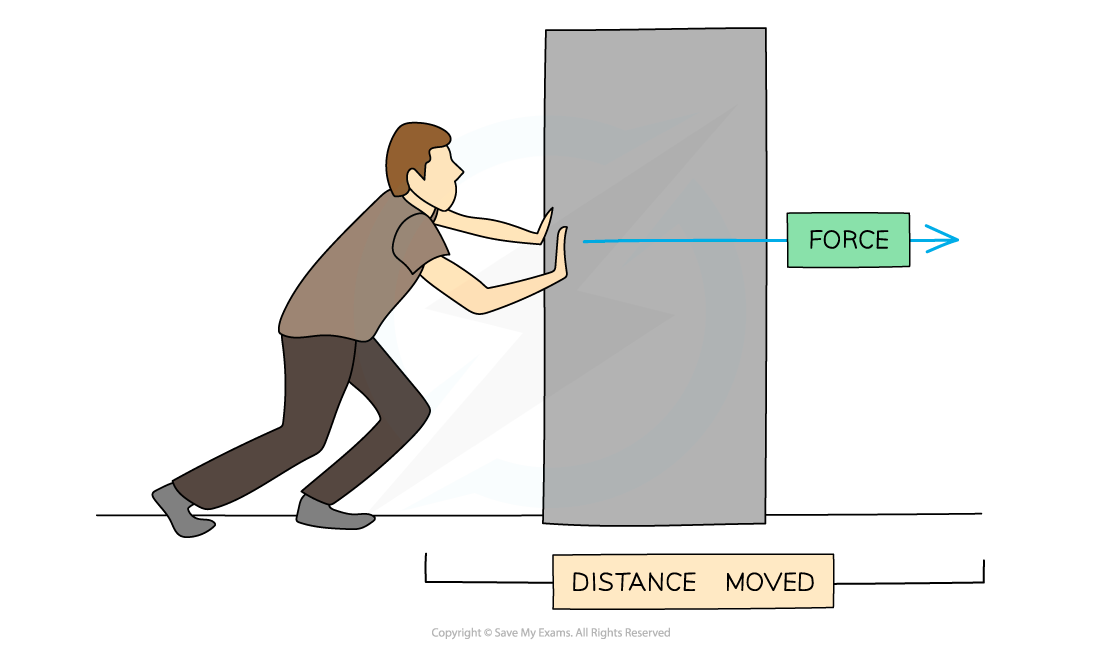
Work Work is defined as The amount of energy transferred when an external force causes an object to move over a certain distance If the force is parallel to the direction of the object's dis...
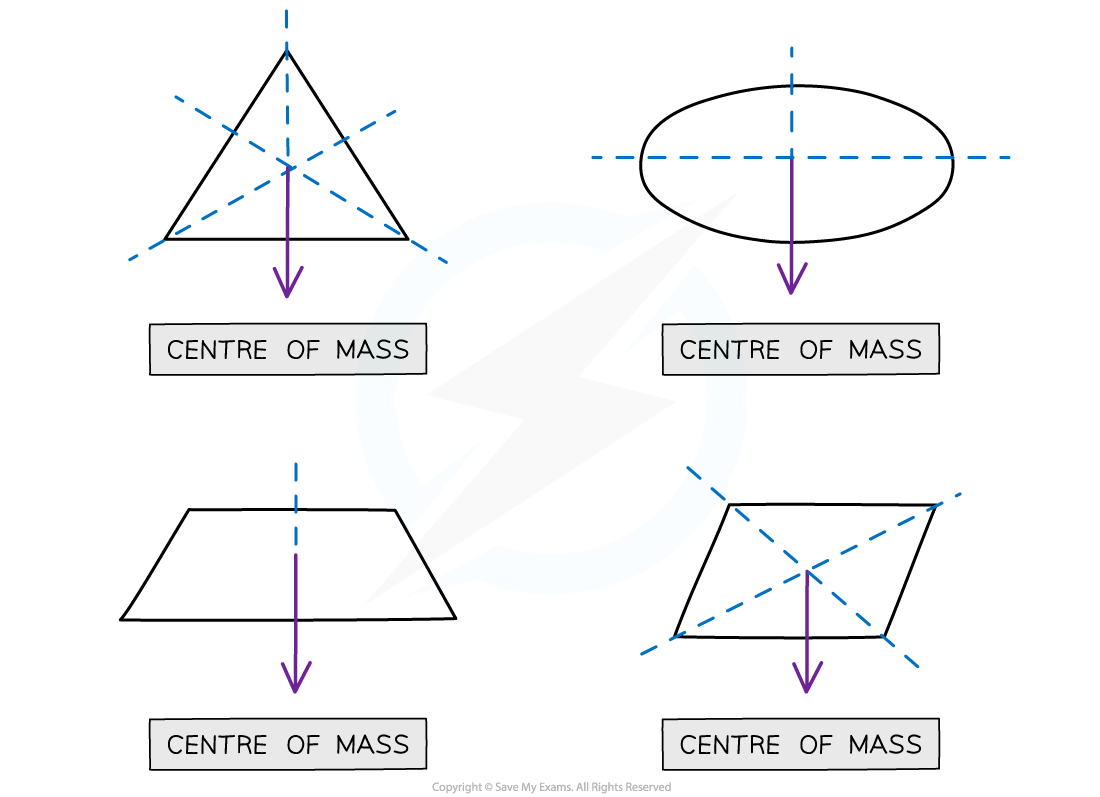
Centre of Gravity The centre of gravity (sometimes called the centre of mass) of an object is the point through which all the weight can be considered to act The position of the centre of gr...
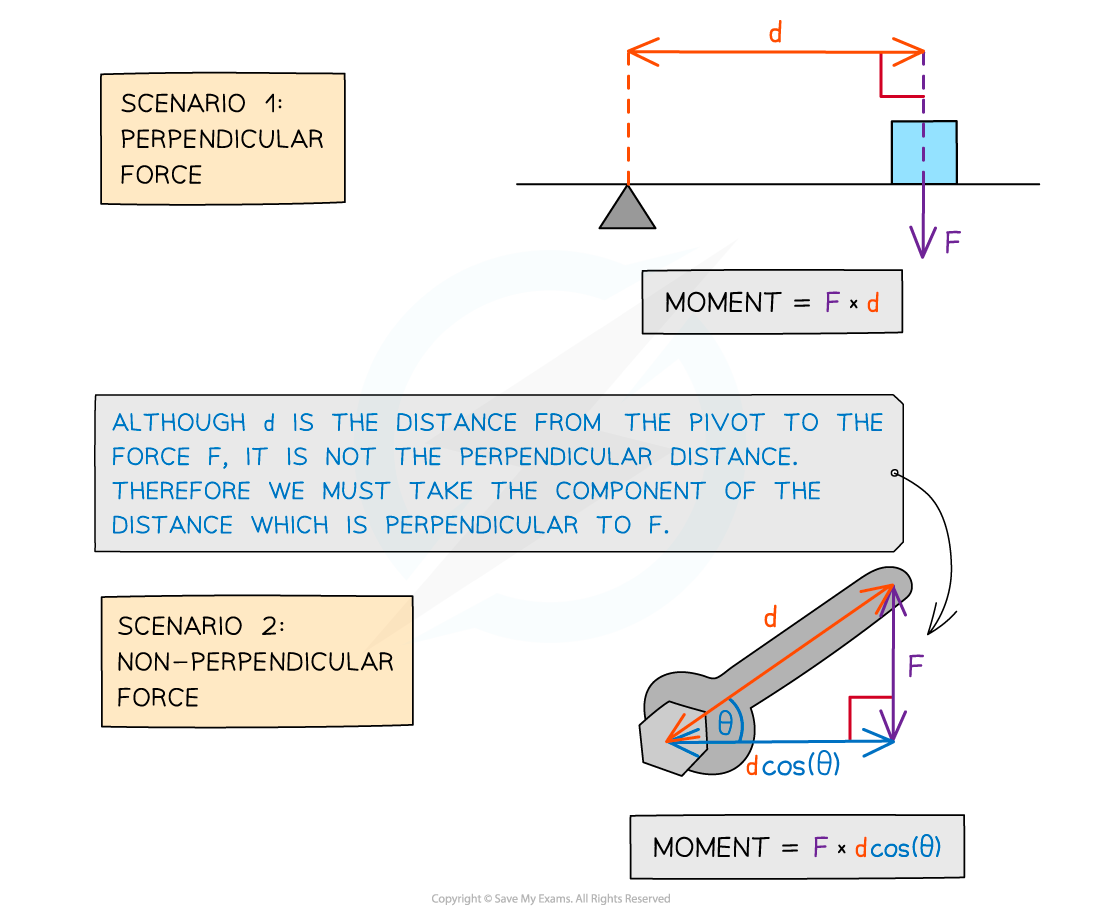
Calculating the Moment of a Force A moment is the turning effect of a force Moments occur when forces cause objects to rotate about some pivot The moment of a force is given by Moment (N m) ...
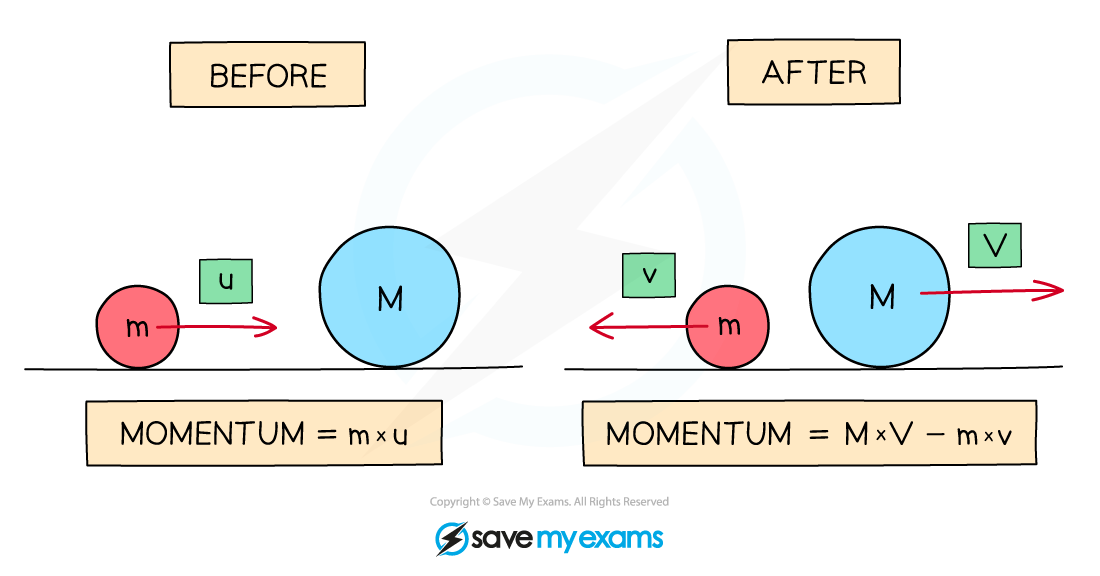
The Principle of Conservation of Linear Momentum The principle of conservation of momentum states that in a closed system, the total momentum before an event is equal to the total momentum after th...

Defining Momentum Linear momentum (p) is defined as the product of mass and velocity Momentum is the product of mass and velocity Momentum is a vector quantity - it has both a magnitu...





