AQA A Level Physics复习笔记8.3.3 Nuclear Excited States
Nuclear Excited States In the same way that electrons can exist in excited states, nuclei can also exist in excited states After an unstable nucleus emits an alpha particle, beta particle or...
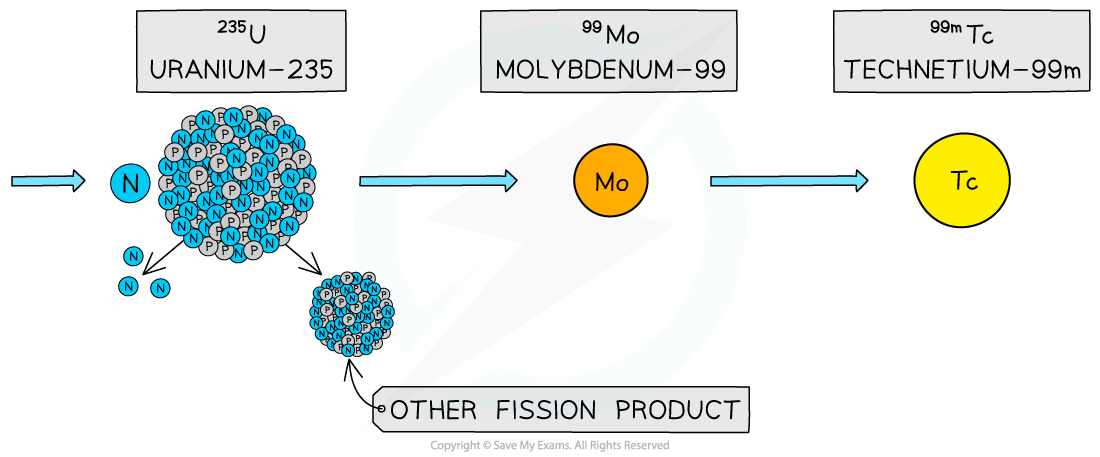
Nuclear Excited States In the same way that electrons can exist in excited states, nuclei can also exist in excited states After an unstable nucleus emits an alpha particle, beta particle or...

Changes in N and Z by Radioactive Decay There are four reasons why a nucleus might become unstable, and these determine which decay mode will occur Too many neutrons Decays through beta-minu...

Standard Normal Distribution What is the standard normal distribution? The standard normal distribution is a normal distribution where the mean is 0 and the standard deviation is 1Why is the standa...
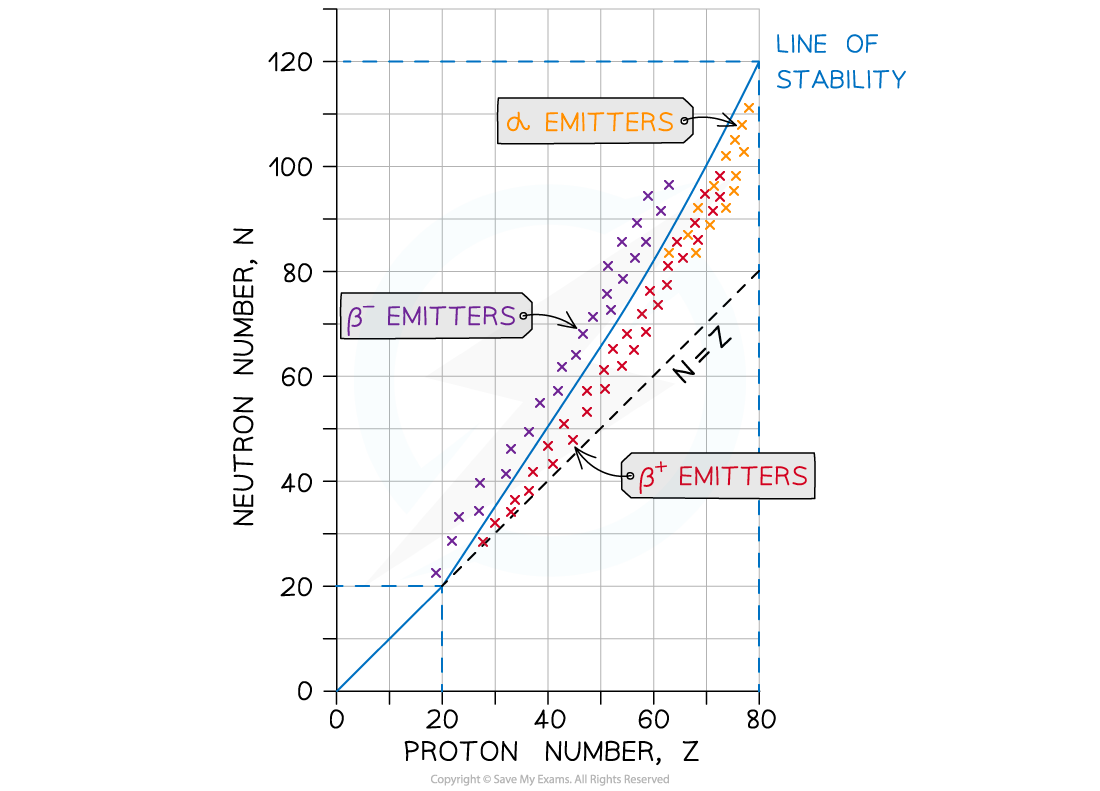
Nuclear Stability Graph The most common elements in the universe all tend to have values of N and Z less than 20 (plus iron which has Z = 26, N = 30) Where: N = number of neutrons Z = number...
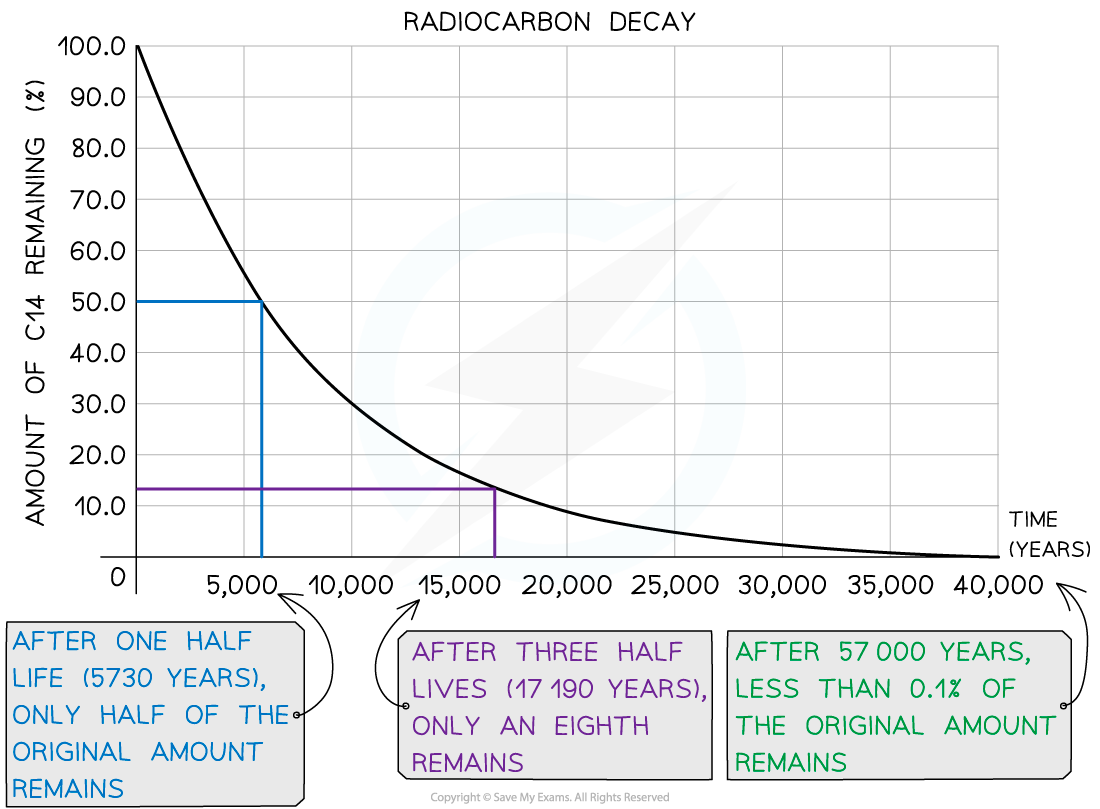
Radioactive Dating The isotope carbon-14 is commonly used in radioactive dating It forms as a result of cosmic rays knocking out neutrons from nuclei, which then collide with nitrogen nuclei...
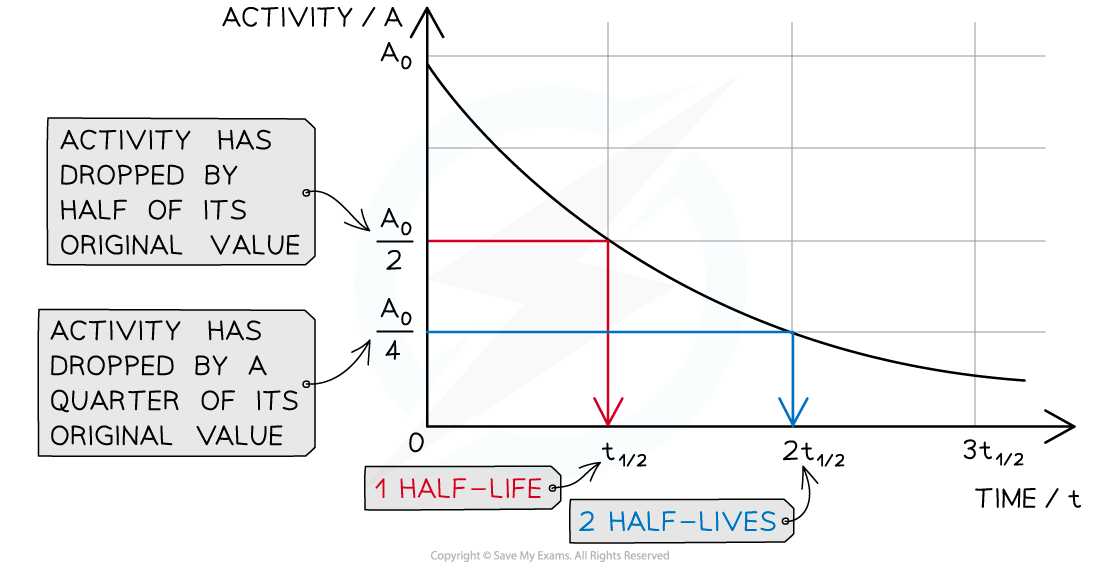
Half-Life Half-life is defined as: The time taken for the initial number of nuclei to halve for a particular isotope This means when a time equal to the half-life has passed, the activity of...
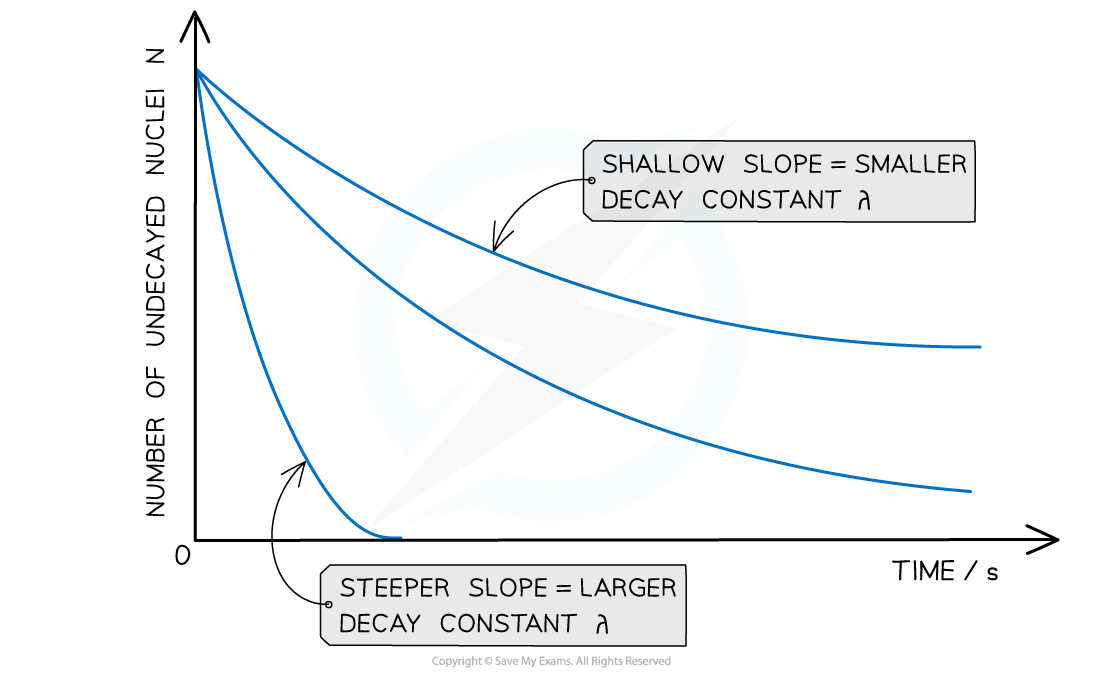
Exponential Decay In radioactive decay, the number of undecayed nuclei falls very rapidly, without ever reaching zero Such a model is known as exponential decay The graph of number of...
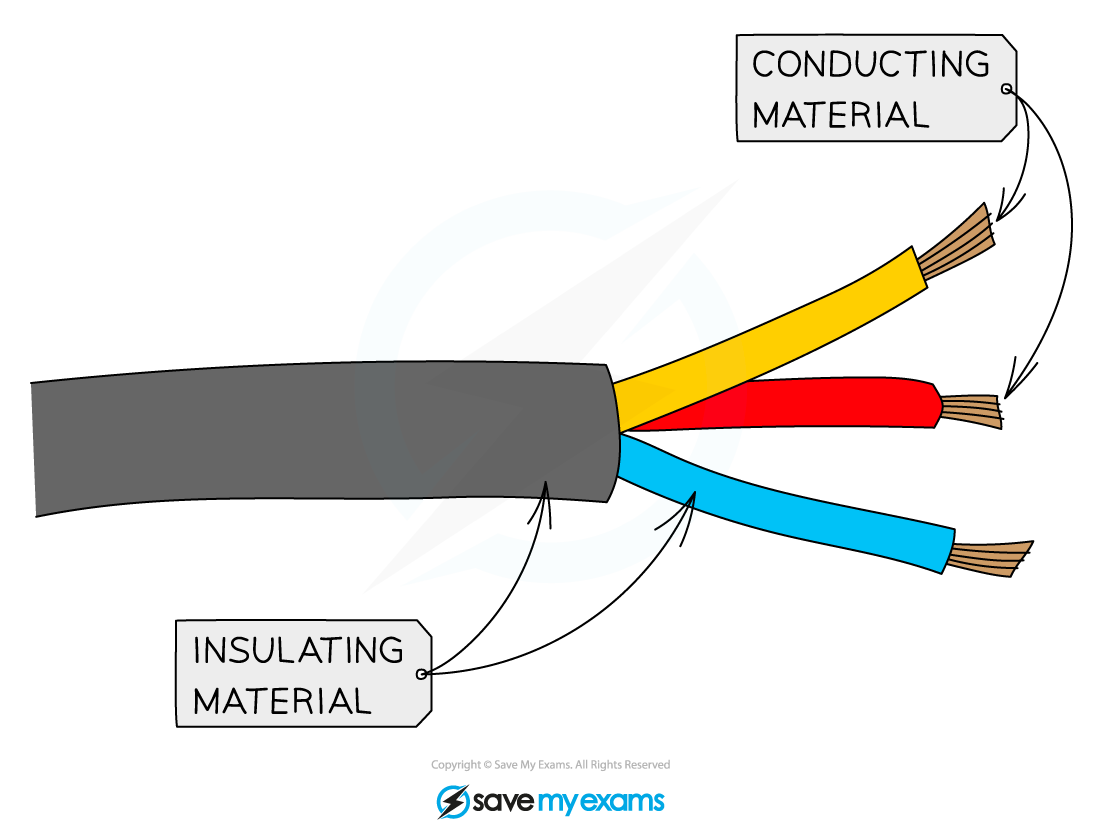
Edexcel IGCSE Chemistry 复习笔记 1.9.1 Explaining Conductivity Conductivity of Covalent Compounds Electric current is the flow of charged particles This usually refers to electrons, but it c...

Radioactive Decay Radioactive decay is defined as: The spontaneous disintegration of a nucleus to form a more stable nucleus, resulting in the emission of an alpha, beta or gamma particle Ra...





