AQA A Level Maths: Mechanics复习笔记3.1.3 Equilibrium in 2D
Equilibrium in 2D What does two dimensions (2D) mean in mechanics? In two dimensions, a particle may be considered as existing and being able to move around two-dimensional space rather than...
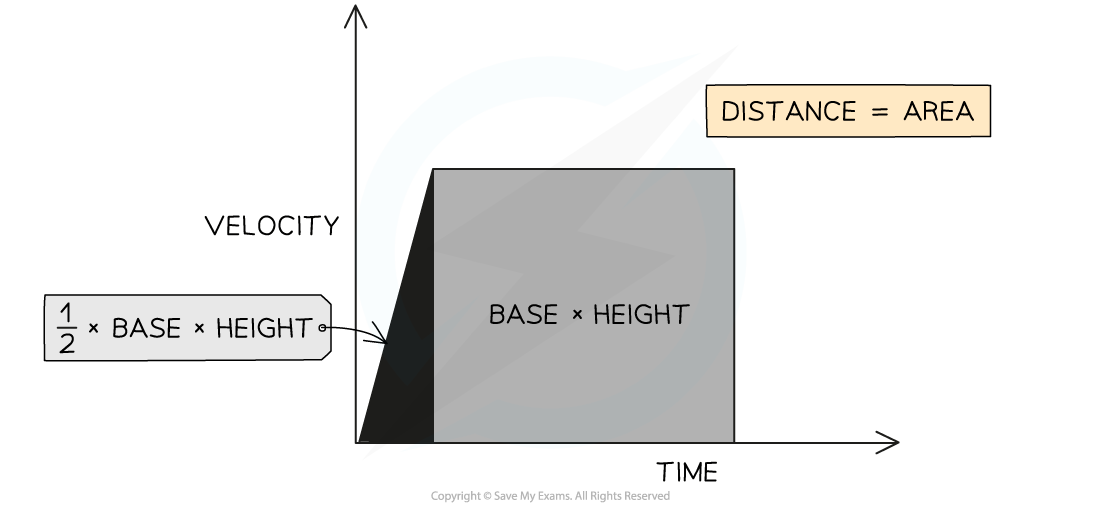
Edexcel IGCSE Physics 复习笔记 1.1.6 Area under a Velocity-Time Graph Area under a Velocity-Time Graph The area under a velocity-time graph represents the displacement (or distance travelled...
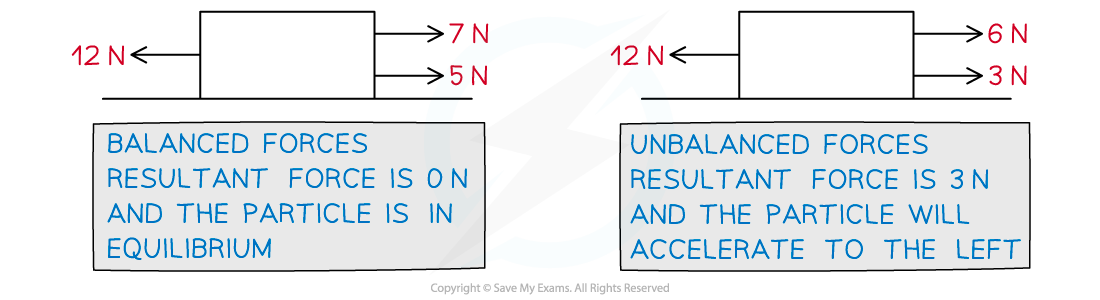
Equilibrium in 1D What is Newton’s First Law of Motion (N1L)? An object at rest will stay at rest, and an object moving with constant velocity will continue to move with constant velocity, ...
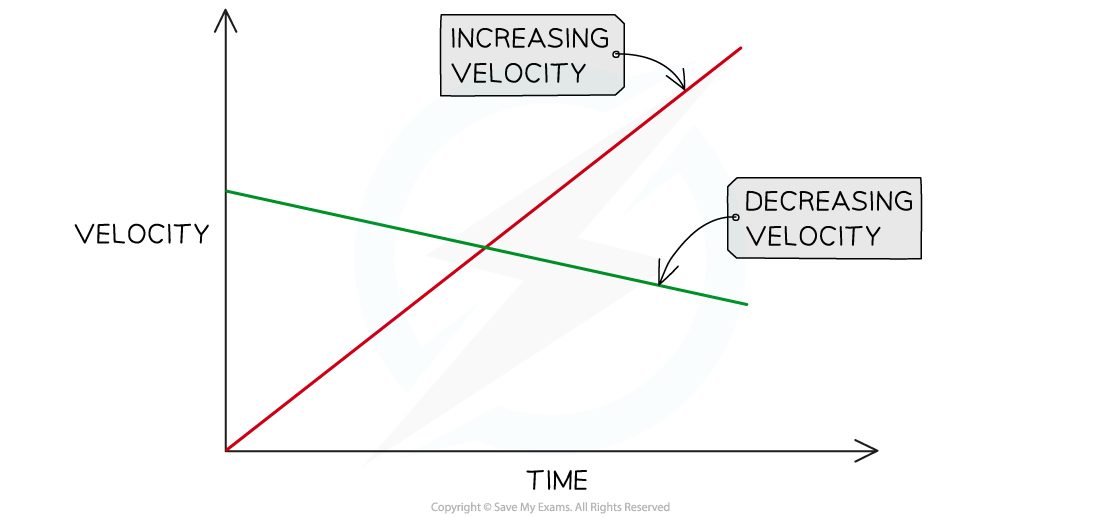
Edexcel IGCSE Physics 复习笔记 1.1.5 Velocity-Time Graphs Velocity-Time Graphs A velocity-time graph shows how the velocity of a moving object varies with time The red line represents an obj...
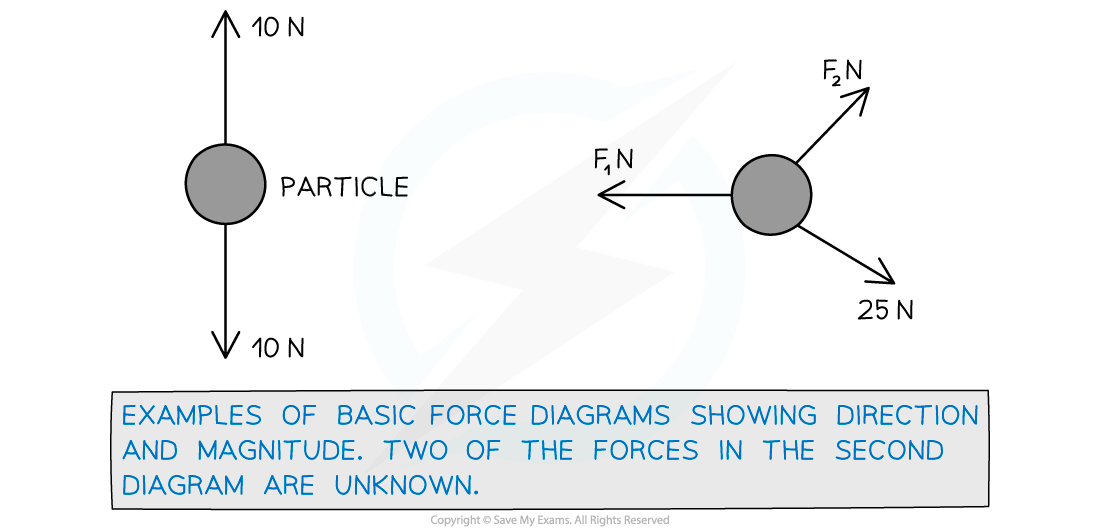
Force Diagrams Why do we need force diagrams? Force diagrams are used to help understand a given scenario and show which forces are acting on which particles and in which direction they are ...
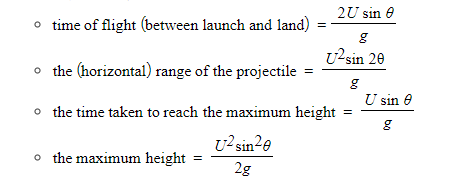
Deriving Projectile Formulae What projectile formulae do I need to be able to derive? In the previous notes the equation of the trajectory of a particle was derived Other equations you need ...
Edexcel IGCSE Physics 复习笔记 1.1.4 Acceleration Acceleration Acceleration is defined as the rate of change of velocity In other words, it describes how much an object's velocity changes ev...
PMCC What is Pearson’s product-moment correlation coefficient? Pearson’s product-moment correlation coefficient (PMCC) is a way of giving a numerical value to a linear relationship of bivariate dat...
Edexcel IGCSE Physics 复习笔记 1.1.3 Core Practical: Investigating Motion Core Practical 1: Investigating Motion Aim of the Experiment The aim of this experiment is to investigate the motion...
© 2026. All Rights Reserved. 沪ICP备2023009024号-1