AQA A Level Maths: Pure复习笔记6.3.2 Using Exps & Logs in Modelling

Using Exps & Logs in Modelling
What is exponential modelling?
- Exponential modelling is where real-life situations are modelled using exponential growth and decay
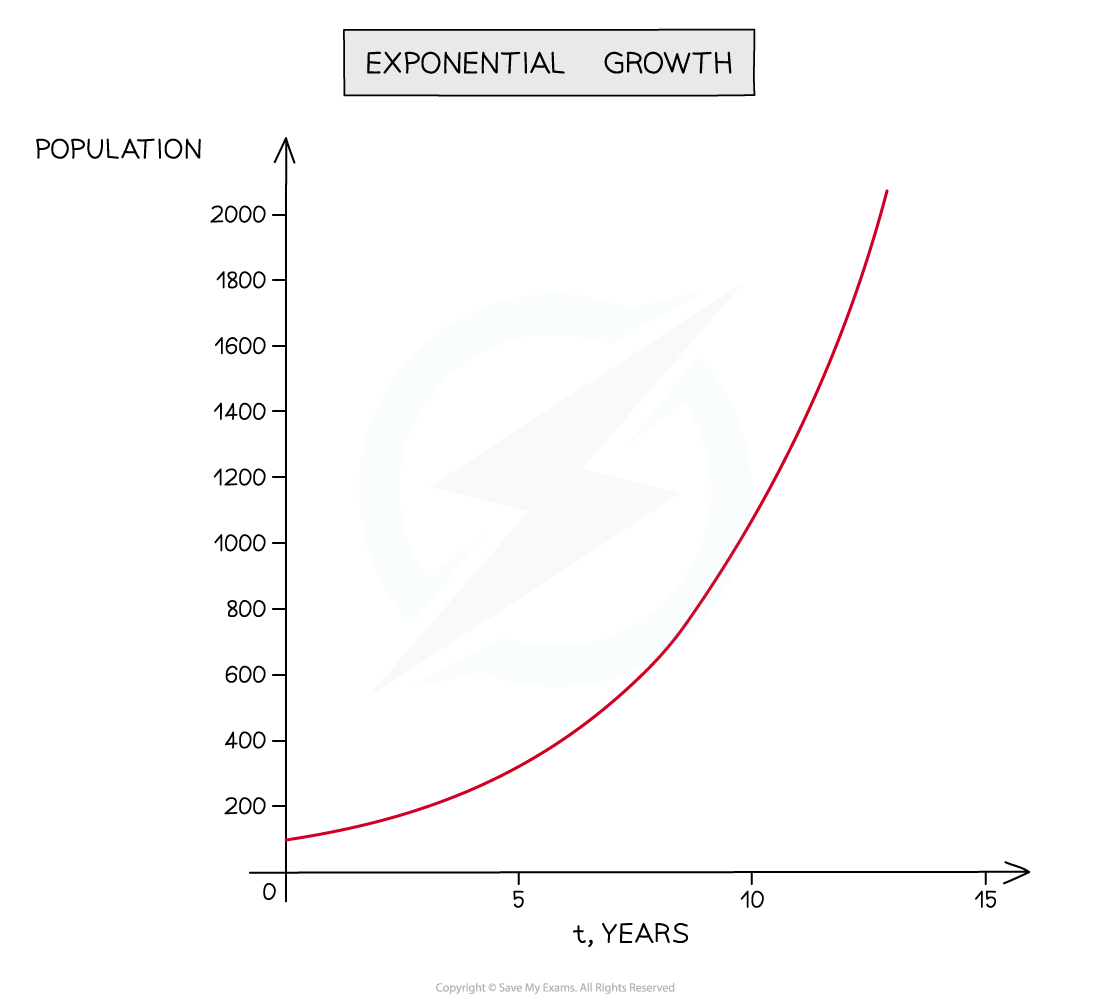
- Exponential growth is typically used for …
- … population (animals and humans) increase
- … the value of an investment under compound interest
- Exponential decay is typically used for …
- … levels of radioactivity
- … quantity of a drug in a person’s bloodstream
- … depreciation (eg value of a standard car)
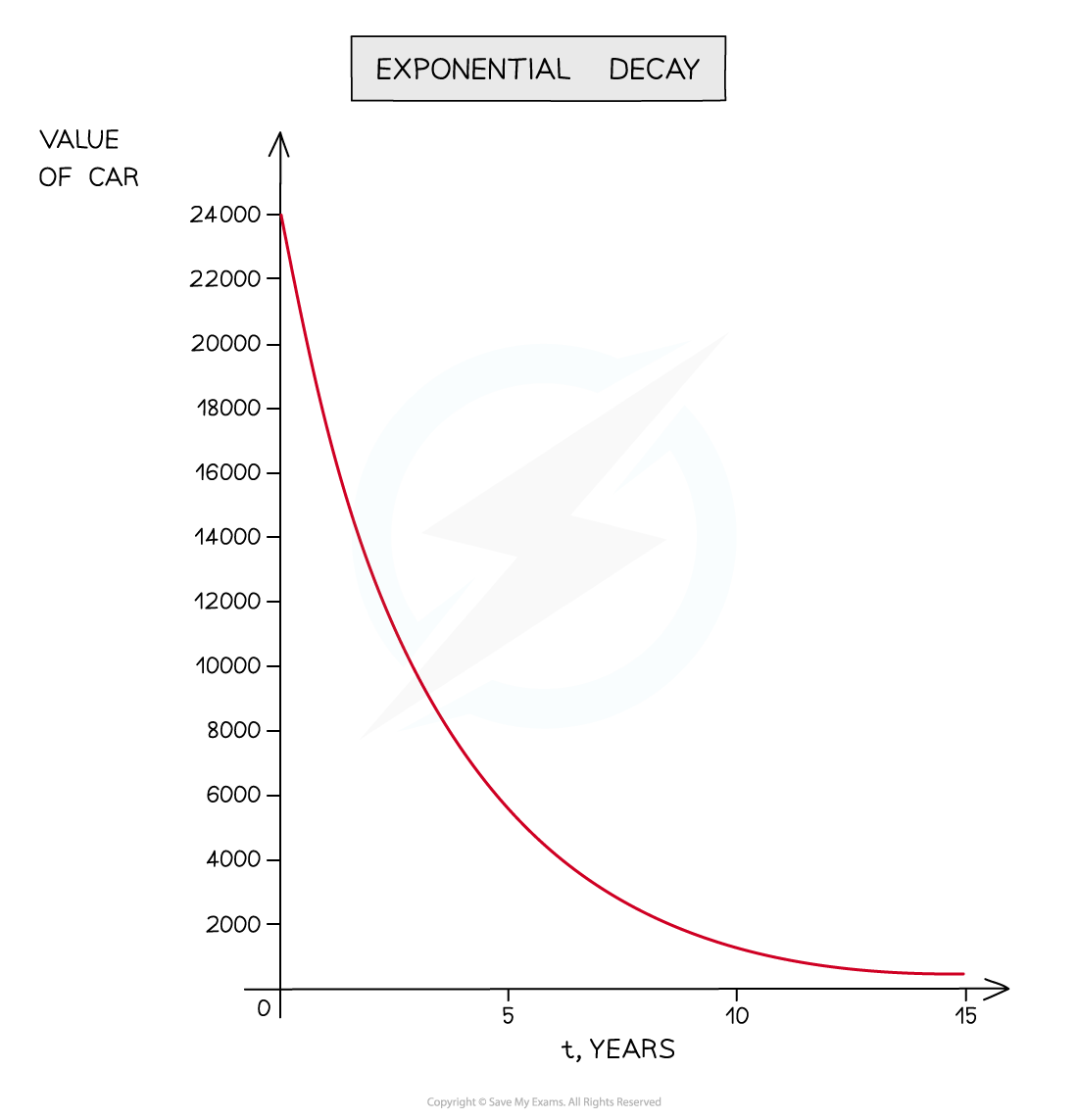
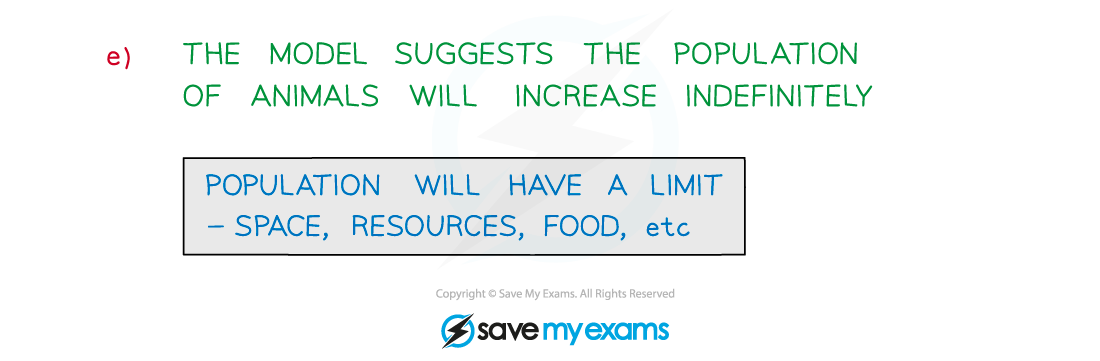
- It is important to consider if a model is only relevant for a certain period of time
- Can a population increase forever?
- Will a very old car still be worth a small amount of money?
- For example: Consider a substance that initially contains 2000 radioactive atoms where the number of radioactive atoms, N, at time, t hours, is modelled by
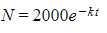
- y is N
- A = 2000 – the initial number of radioactive atoms
- k > 0 so the negative indicates this must be exponential decay
- t is used (rather than x) as the situation is time-dependent
How do I solve modelling problems?
- Recognise the form of an exponential model
- Growth y = Aekt
- Decay y = Ae-kt
- A (constant) is the starting or initial value
- When t = 0,ekt = e0 = 1
so y = A
- When t = 0,ekt = e0 = 1
- k (constant) determines the rate of growth/decay
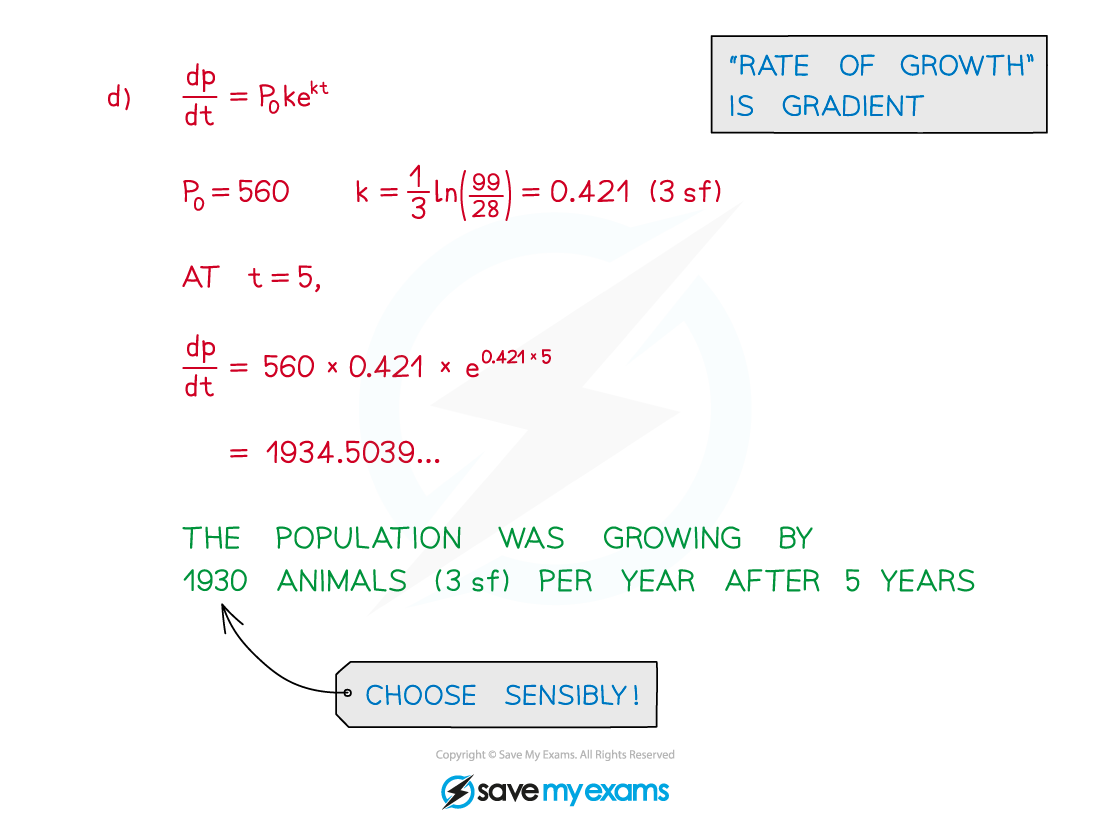
- Many modelling problems are about rates of change –
- If y = Aektthen dy/dx = Akekt
- If y = Ae-ktthen dy/dx = -Ake-kt
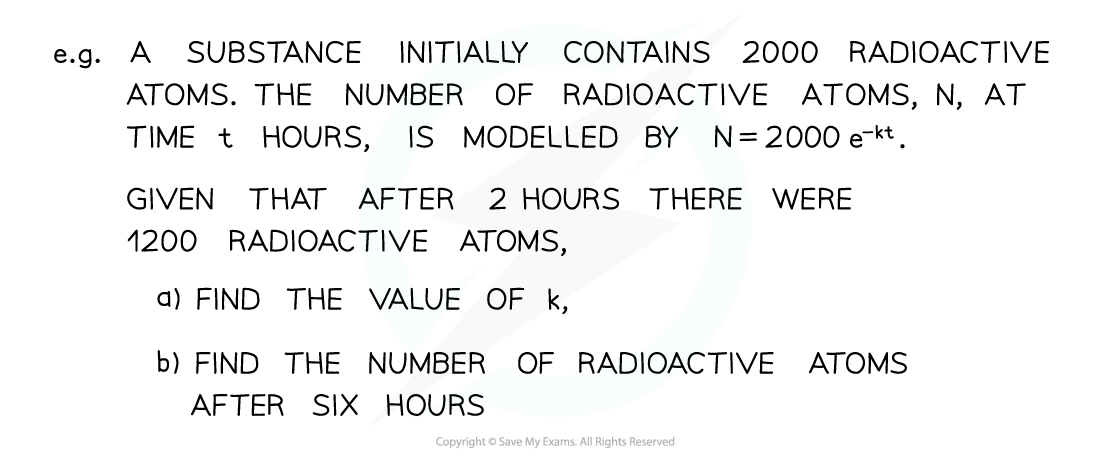
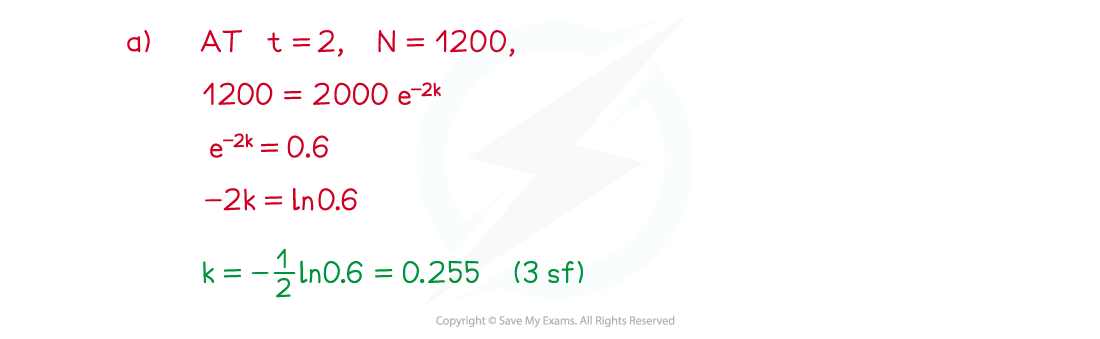
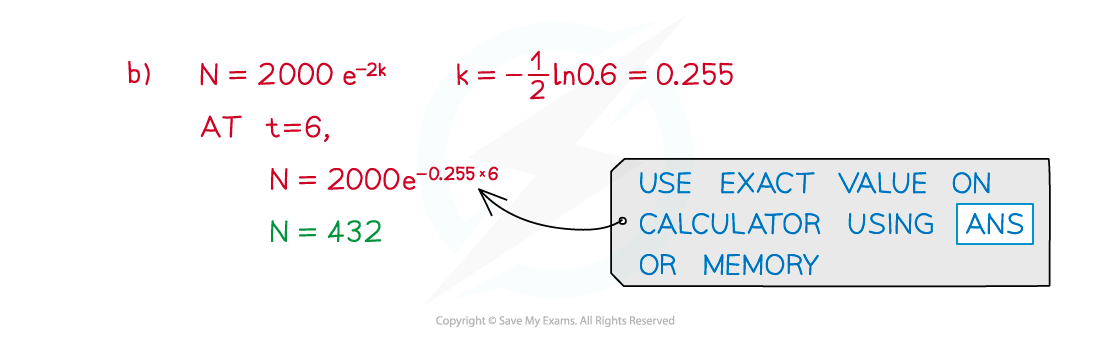
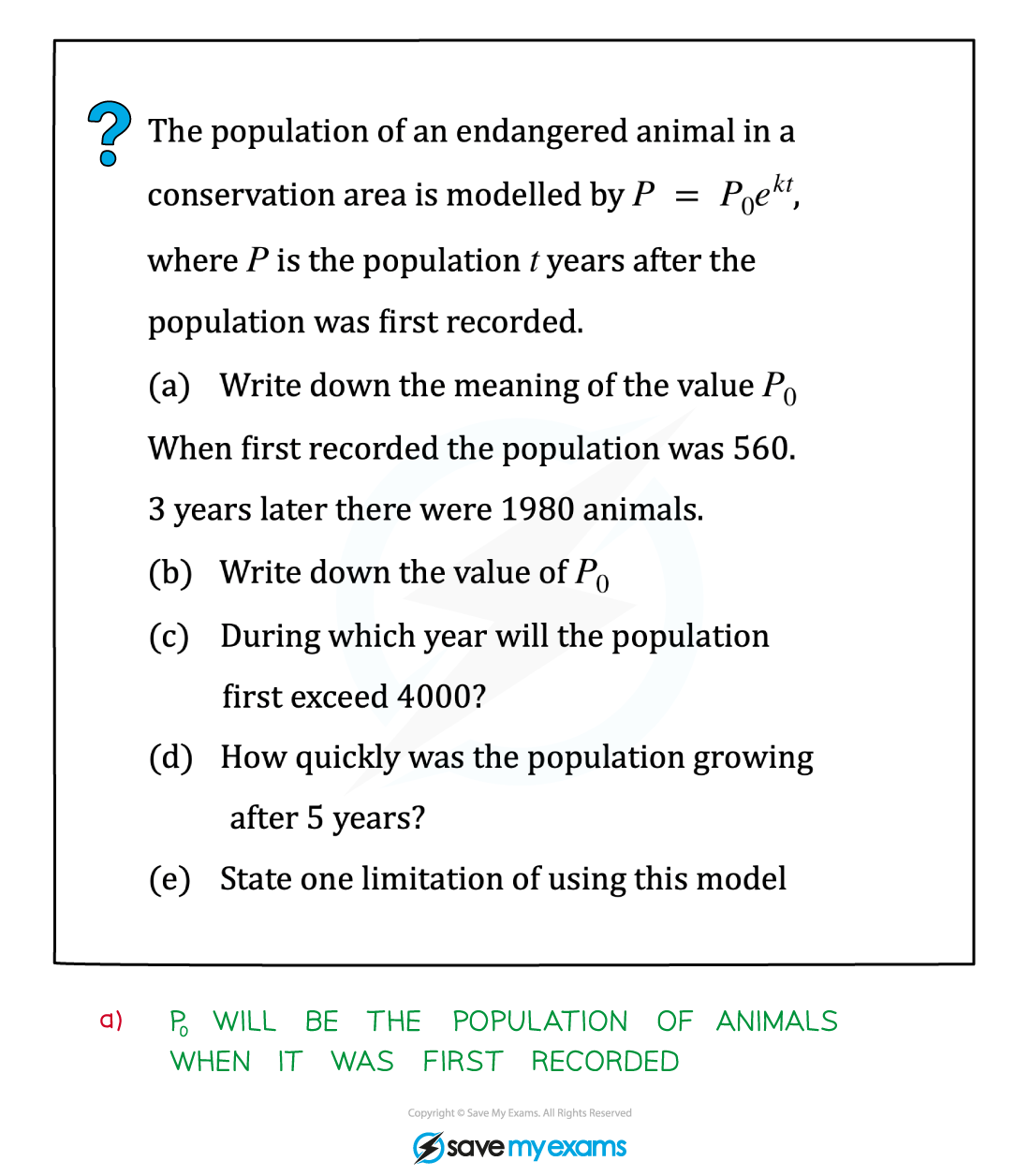
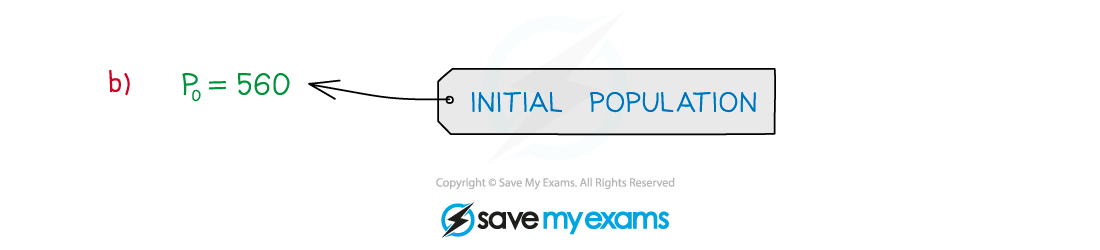
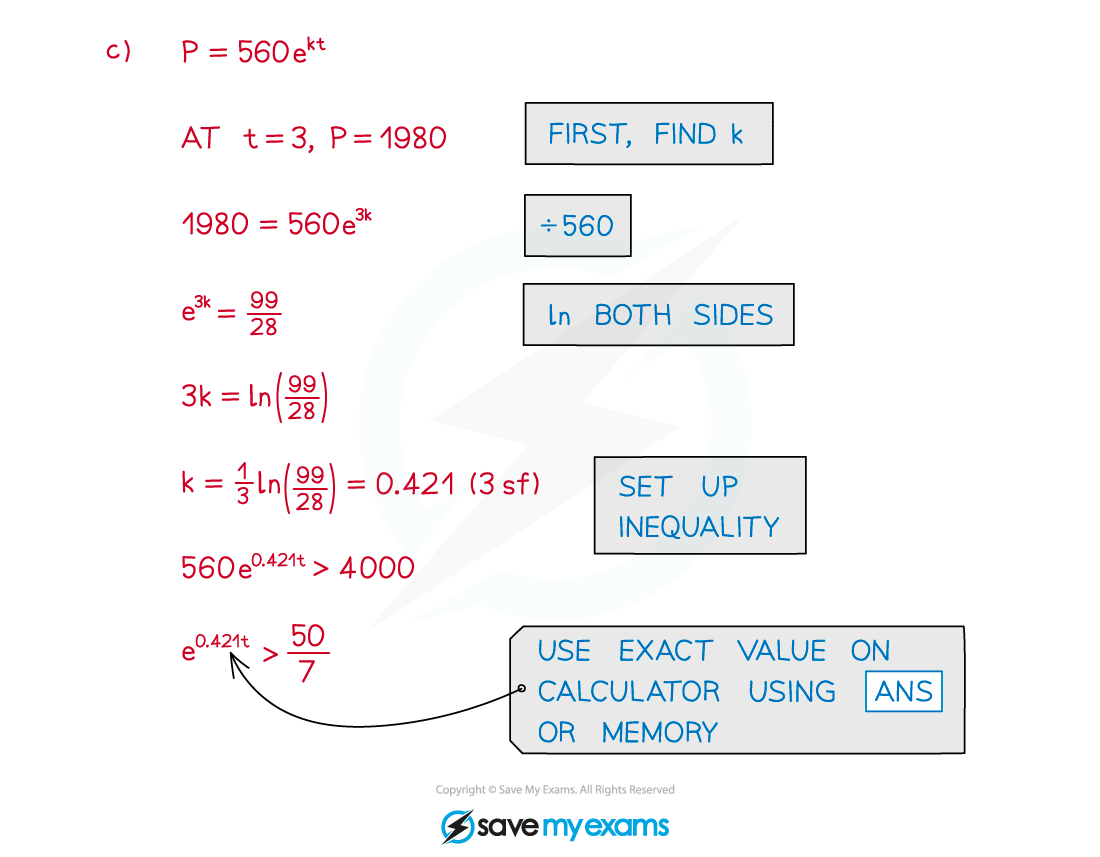
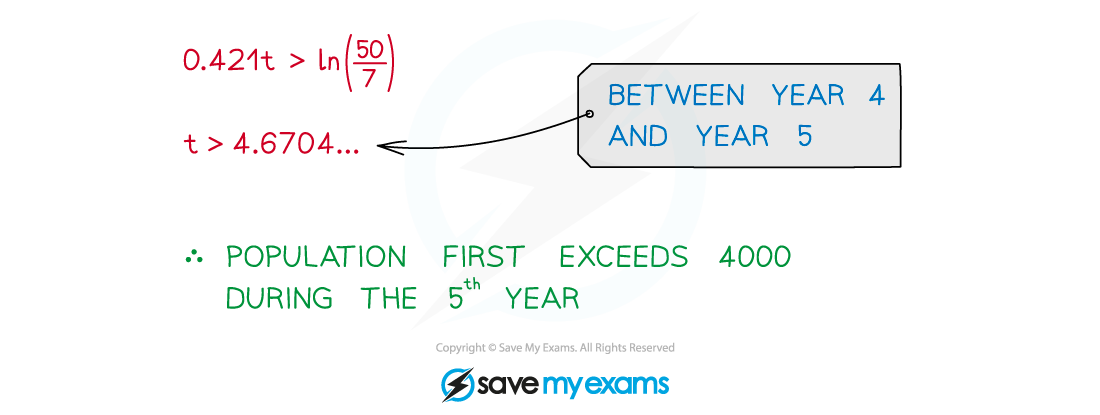
Worked Example
转载自savemyexams
以上就是关于【AQA A Level Maths: Pure复习笔记6.3.2 Using Exps & Logs in Modelling】的解答,如需了解学校/赛事/课程动态,可至翰林教育官网获取更多信息。
往期文章阅读推荐:
翰林独家 | 经济学竞赛核心精讲,一册打通NEC/IEO/USAEBO!
2026 ALEVEL 夏考A率出炉!爱德思vs牛津AQA,哪些科目真的“好出分”?


翰林AMC8视频课重磅上线!

国际竞赛真题资源免费领取






