AQA A Level Biology复习笔记3.3.1 Digestion

The Process of Digestion
- Digestion is a process in which relatively large, insoluble biological molecules in food (such as starch, proteins) are hydrolysed into smaller, soluble molecules that can be absorbed across the cell membranes into the bloodstream and delivered to cells in the body
- Enzymes are essential for the process of digestion as they catalyse the hydrolysis
- These small soluble molecules (such as glucose and amino acids) are used either to provide cells with energy (via respiration) or to build other molecules for cell growth, repair and function
- Proteins are hydrolysed into amino acids
- Carbohydrates are hydrolysed into simple sugars
- Lipids are hydrolysed into a mixture of glycerol and fatty acids
Human Digestive System
- The human digestive system includes the following:
- Glands - the salivary glands and glands in the pancreas produce digestive juices
- The stomach and small intestine - the sites of digestion
- The liver - produces bile
- Small intestine - the site of absorption
- Large intestine - site of water reabsorption
Digestive System Table
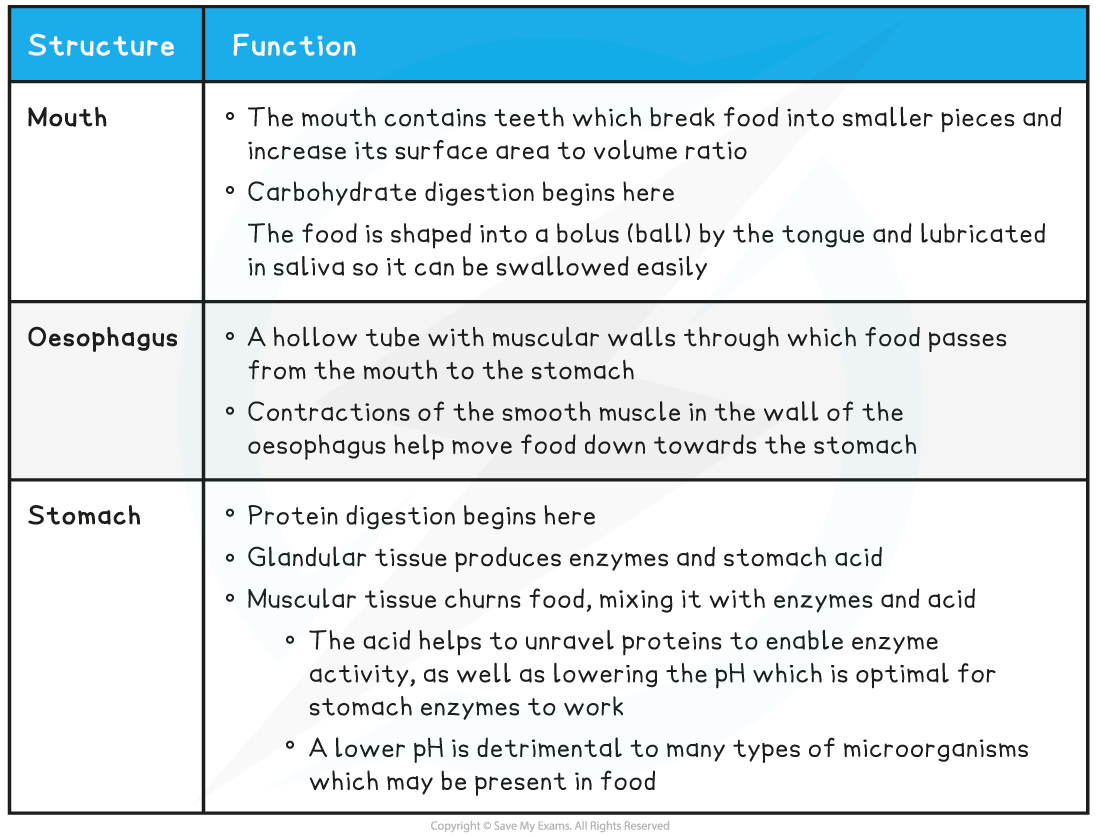
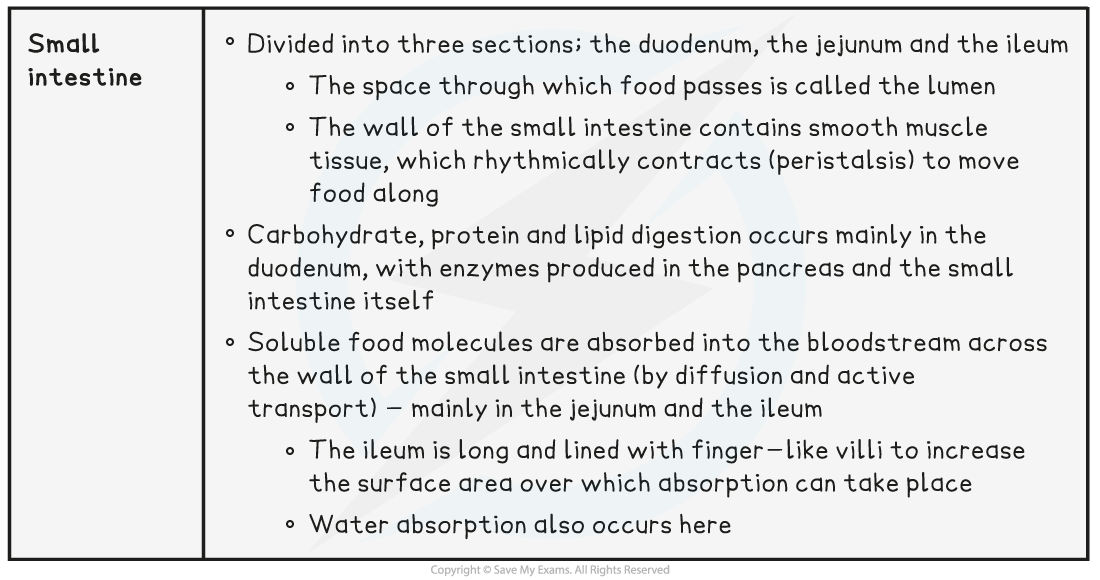
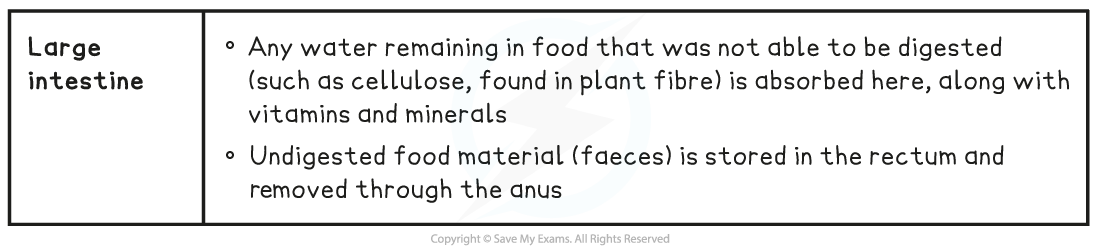
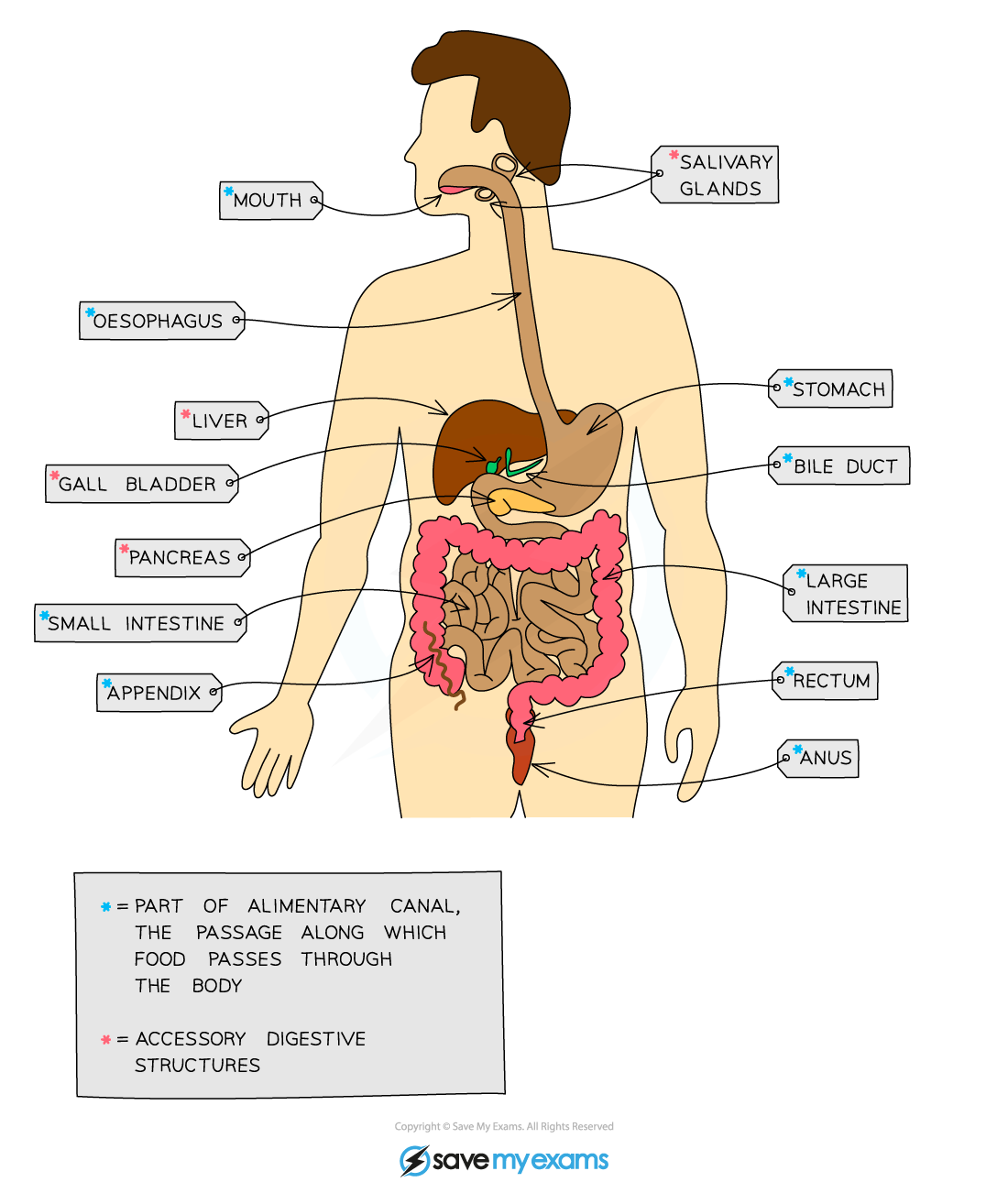
The human digestive system
转载自savemyexams
以上就是关于【AQA A Level Biology复习笔记3.3.1 Digestion】的解答,如需了解学校/赛事/课程动态,可至翰林教育官网获取更多信息。
往期文章阅读推荐:
翰林独家 | 经济学竞赛核心精讲,一册打通NEC/IEO/USAEBO!
2026 ALEVEL 夏考A率出炉!爱德思vs牛津AQA,哪些科目真的“好出分”?


翰林AMC8视频课重磅上线!

国际竞赛真题资源免费领取






