IB DP Physics: HL复习笔记3.1.3 Internal Energy
Internal Energy When a substance gains or loses thermal energy, its internal energy increases or decreases The internal energy of a substance is defined as: The sum of the total kinetic energy and ...
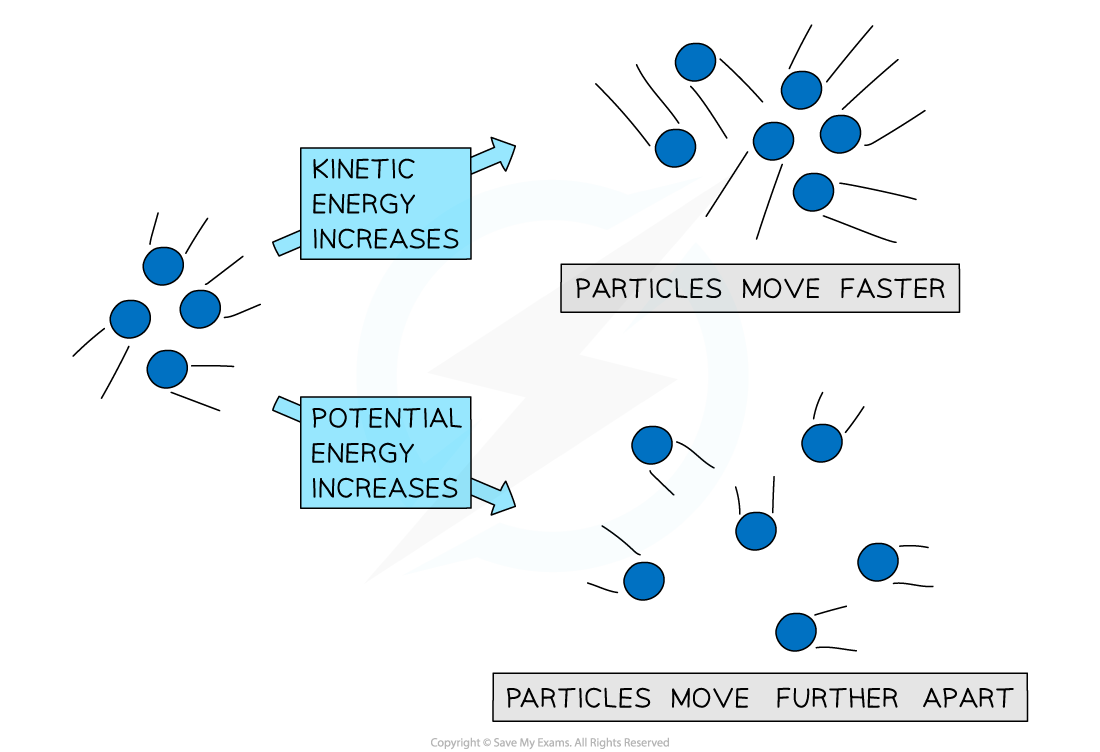
Internal Energy When a substance gains or loses thermal energy, its internal energy increases or decreases The internal energy of a substance is defined as: The sum of the total kinetic energy and ...
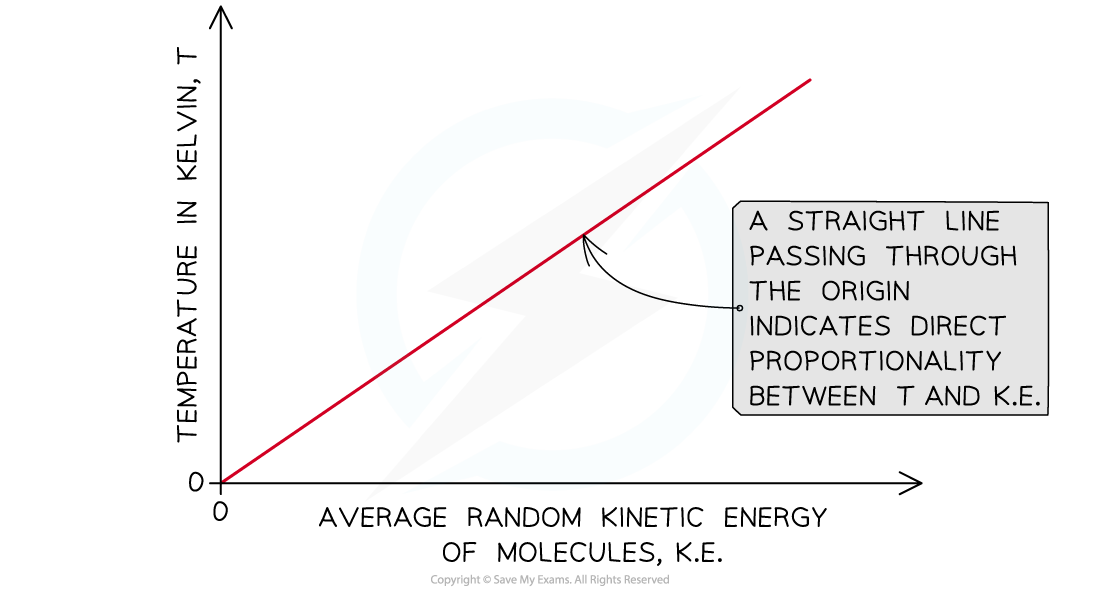
Temperature Temperature is a measure of how hot or cold objects are Temperature also determines the direction in which thermal energy will flow between two objects (or between an object and its sur...
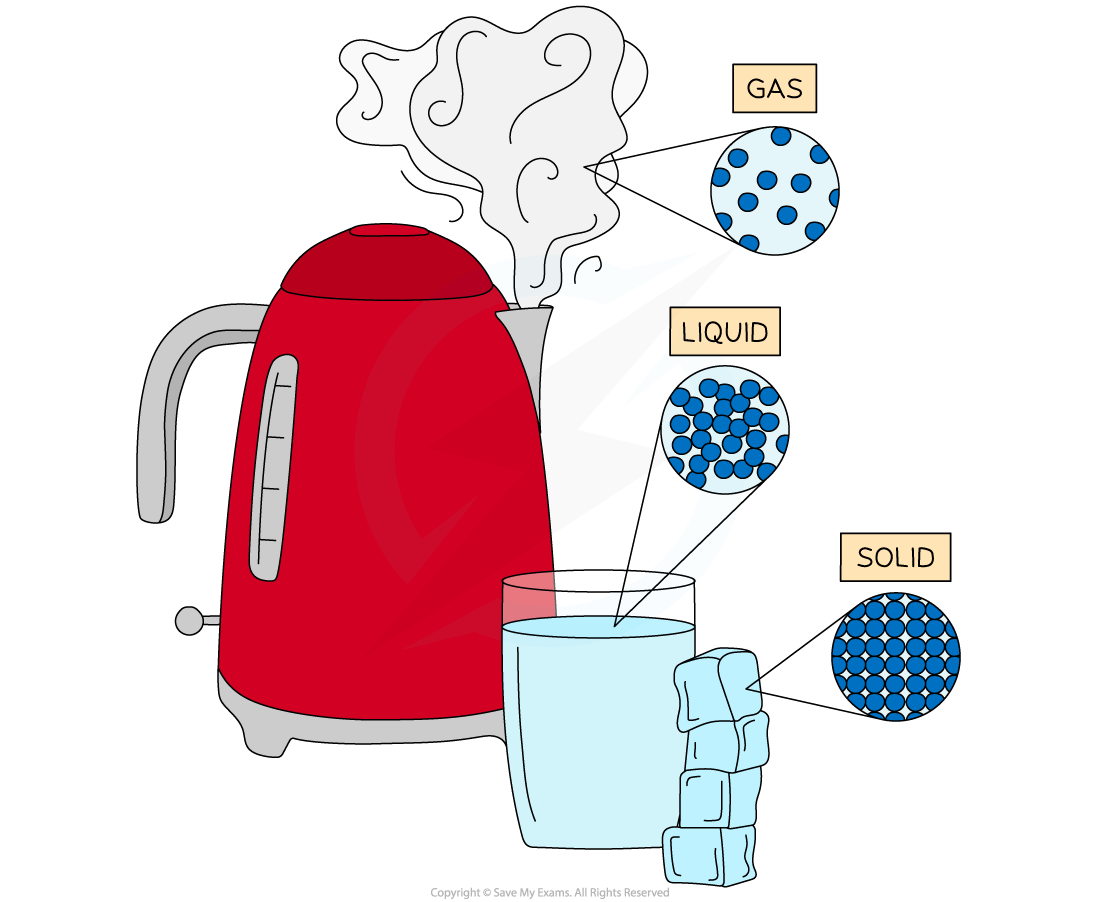
Solids, Liquids & Gases The three states of matter are solid, liquid and gas The kinetic theory of matter is a model that attempts to explain the properties of the three states of matter In thi...
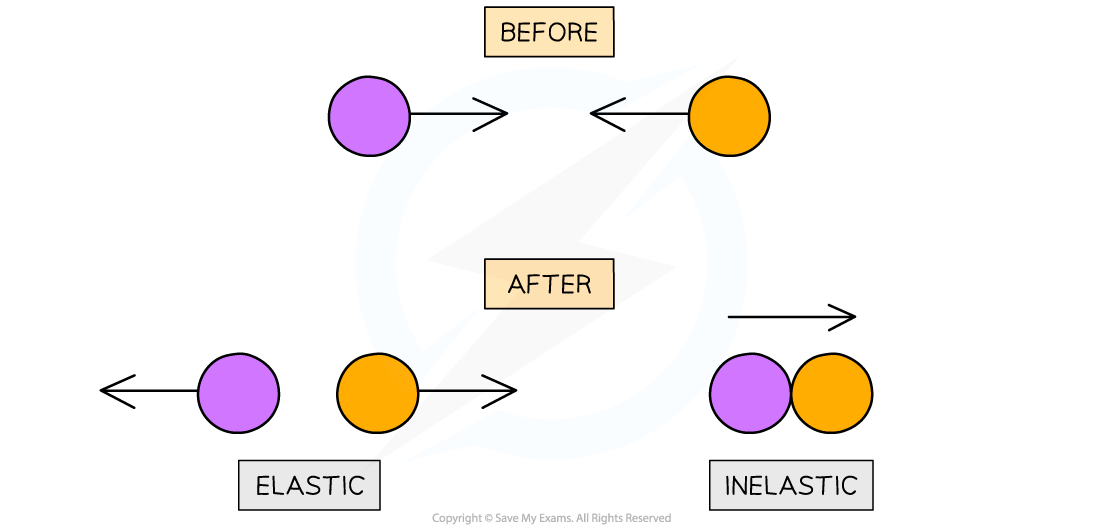
Collisions & Explosions In both collisions and explosions, momentum is always conserved However, kinetic energy might not always be A collision (or explosion) is either: Elastic – if the kineti...

近期三大国际课程体系大事真真是一件接一件啊!IB放榜“爆冷”,AP放榜,五分率稳健增长,A-Level 2023年或大改革。 IB满分人数腰斩!今年全球有173878人(去年165,857人)参加IB考试,人数上涨,但平均成绩却下降...
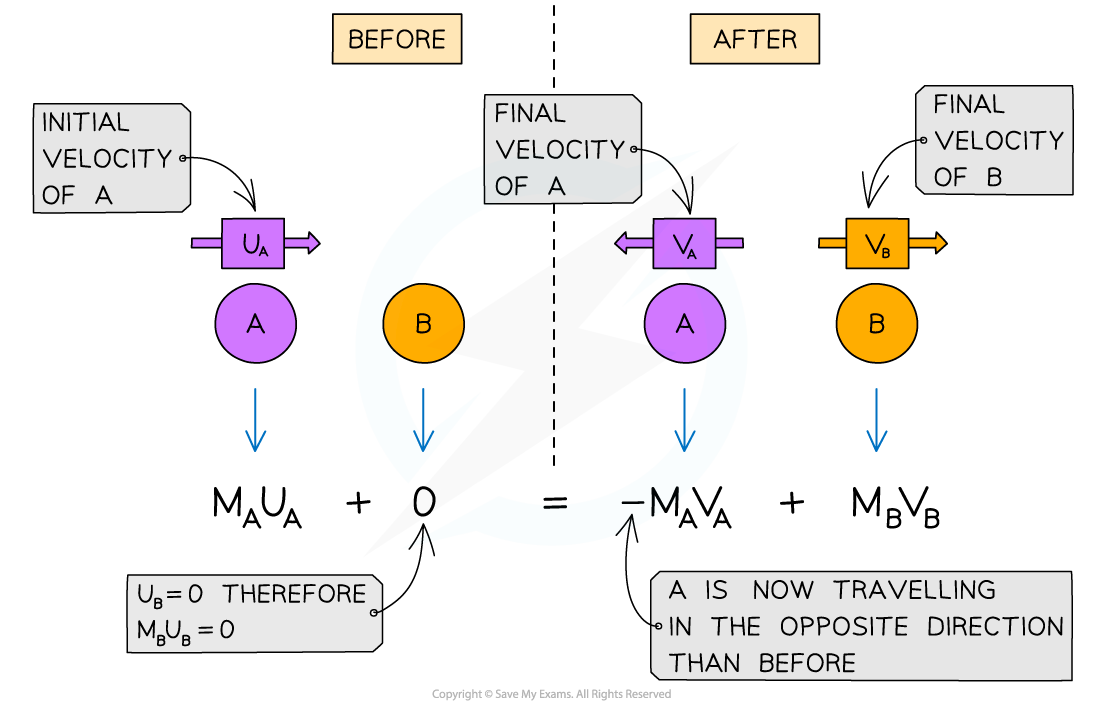
Conservation of Linear Momentum The principle of conservation of linear momentum states: The total momentum before a collision = the total momentum after a collision provided no external force acts...
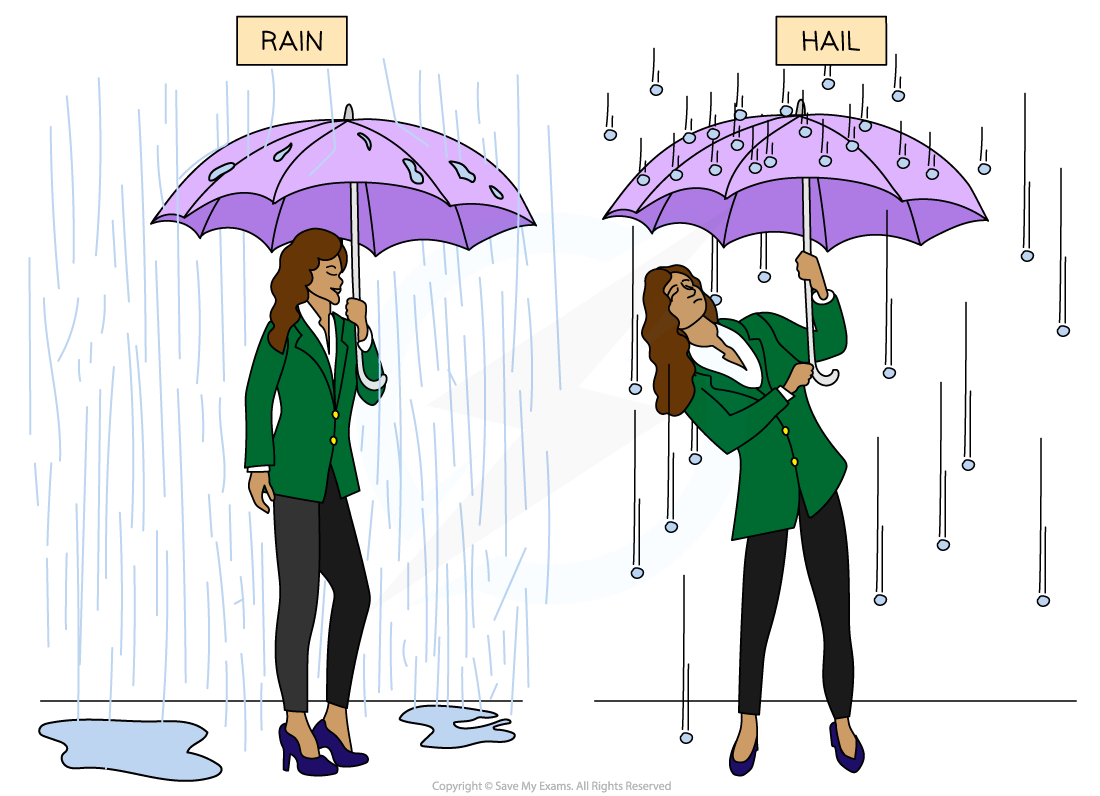
Impulse The force and momentum equation can be rearranged to find the impulse Impulse, I, is equal to the change in momentum: I = FΔt = Δp = mv – mu Where: I = impulse (N s) F = force (N) t = time...

Force & Momentum Linear momentum, p, is defined as the product of mass and velocity Momentum is a vector quantity - it has both a magnitude and a direction This means it can have a negative or ...

Efficiency The efficiency of a system is a measure of how well energy is transferred in a system Efficiency is defined as: The ratio of the useful power or energy transfer output from a system to i...





