AQA A Level Biology复习笔记3.6.6 The Mass Flow Hypothesis
Phloem: Mass Flow The Mass Flow Hypothesis was the model initially used to explain the movement of assimilates in the phloem tissue The mass flow hypothesis was modelled by Ernst Münch in 19...
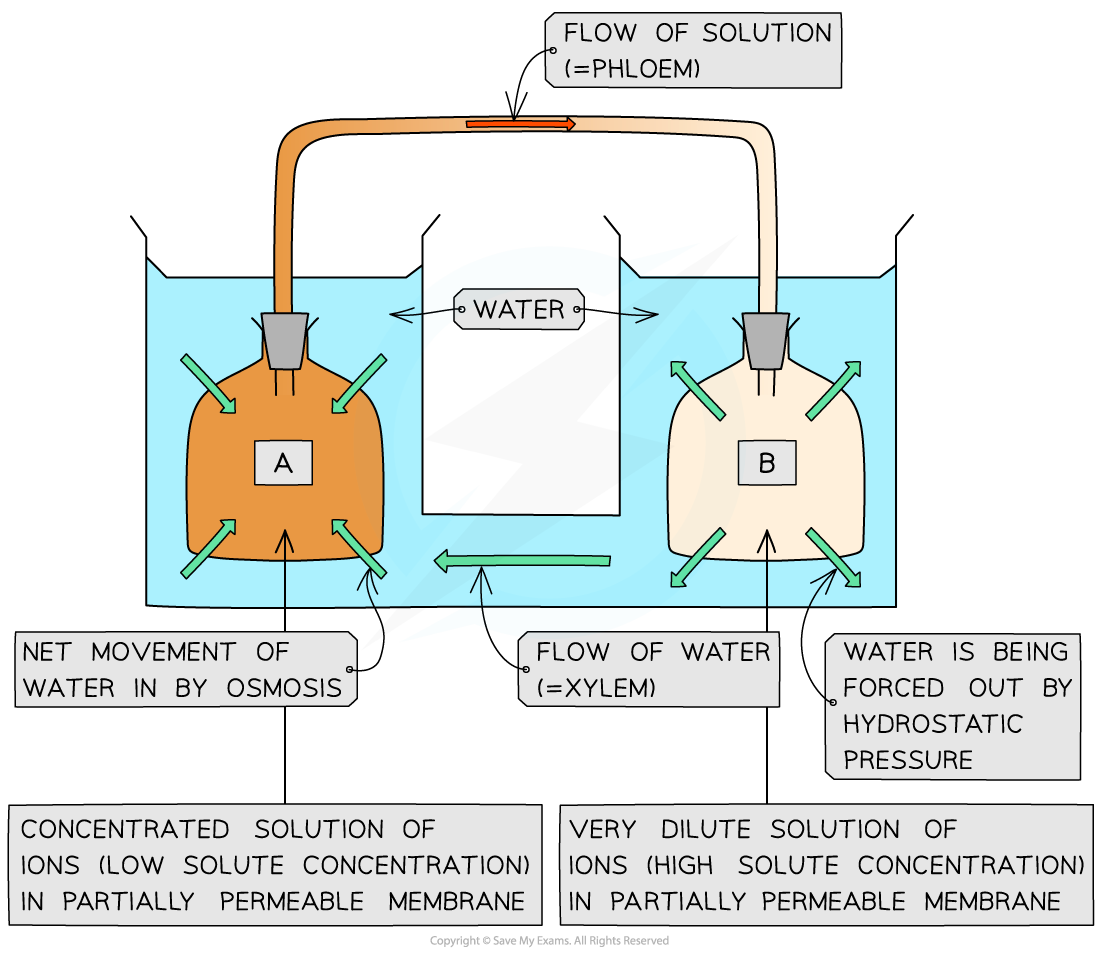
Phloem: Mass Flow The Mass Flow Hypothesis was the model initially used to explain the movement of assimilates in the phloem tissue The mass flow hypothesis was modelled by Ernst Münch in 19...
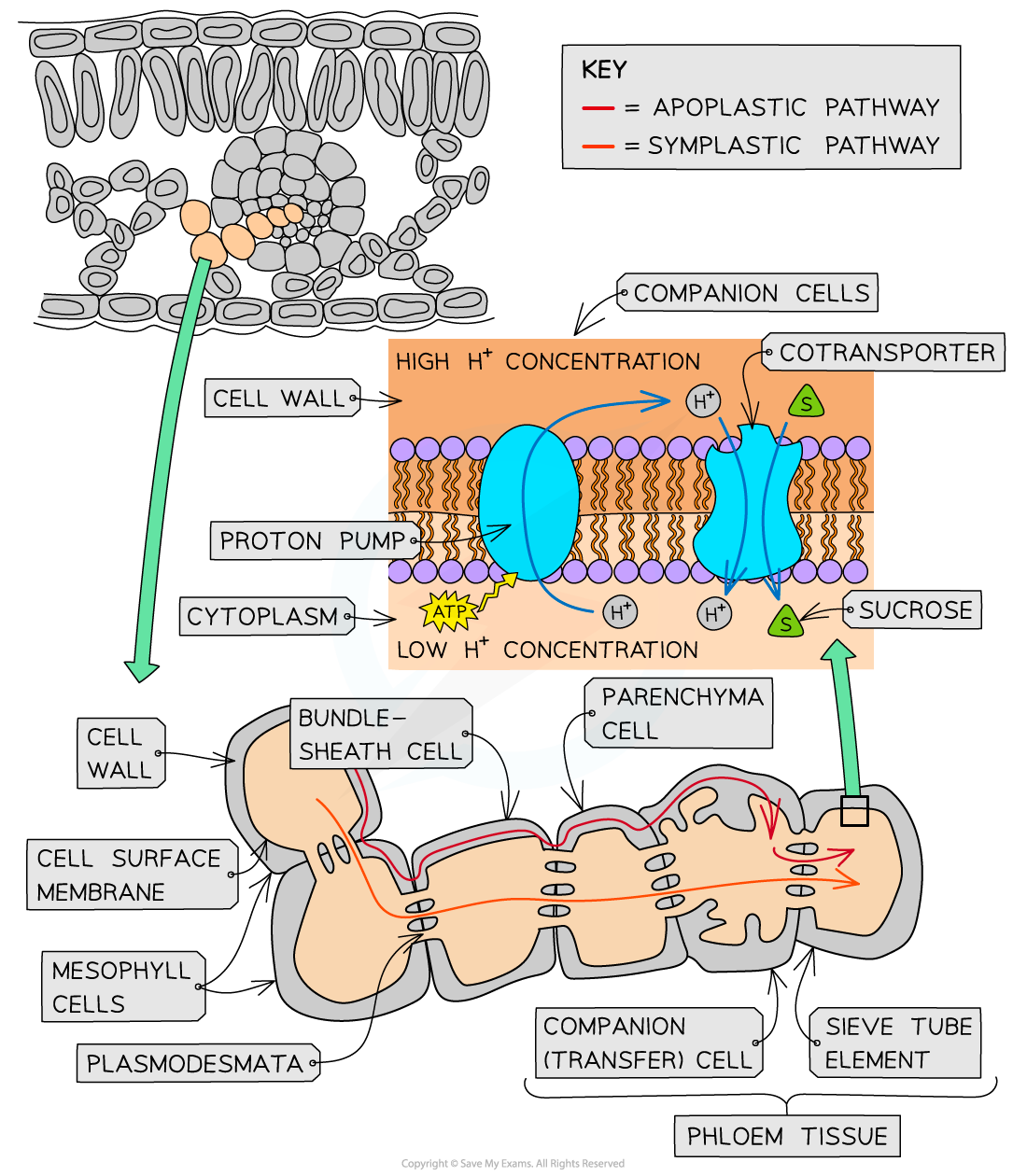
The Sucrose Loading Mechanism Assimilates such as sucrose are transported from source to sink through the phloem sieve tubes Carbohydrates are generally transported in plants in the form of ...
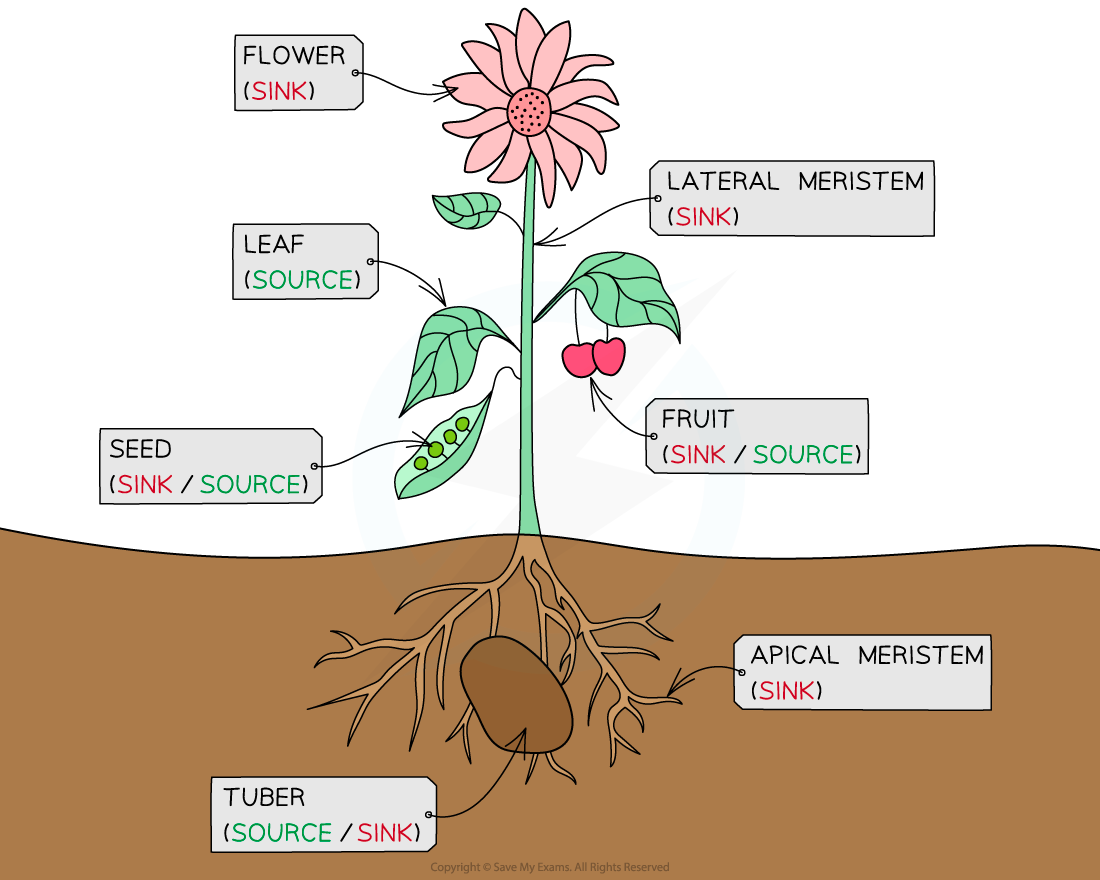
Movement in the Phloem Although translocation could refer to the transport of substances in the xylem and phloem, as it means ‘moving from one place to another,’ it is more commonly connecte...
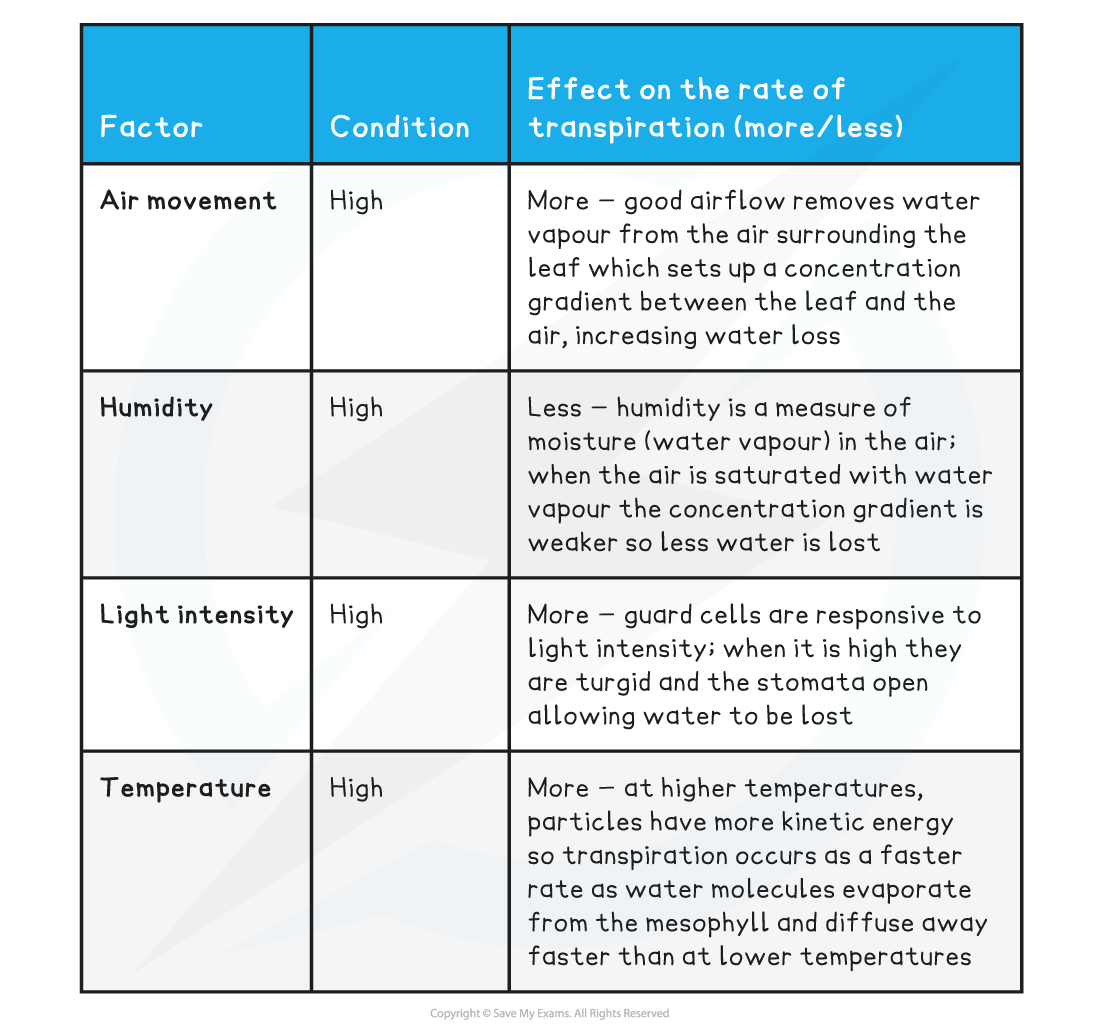
Apparatus & Techniques: Using a Potometer Air movement, humidity, temperature and light intensity all have an effect on the rate at which transpiration occurs The table below explains ho...
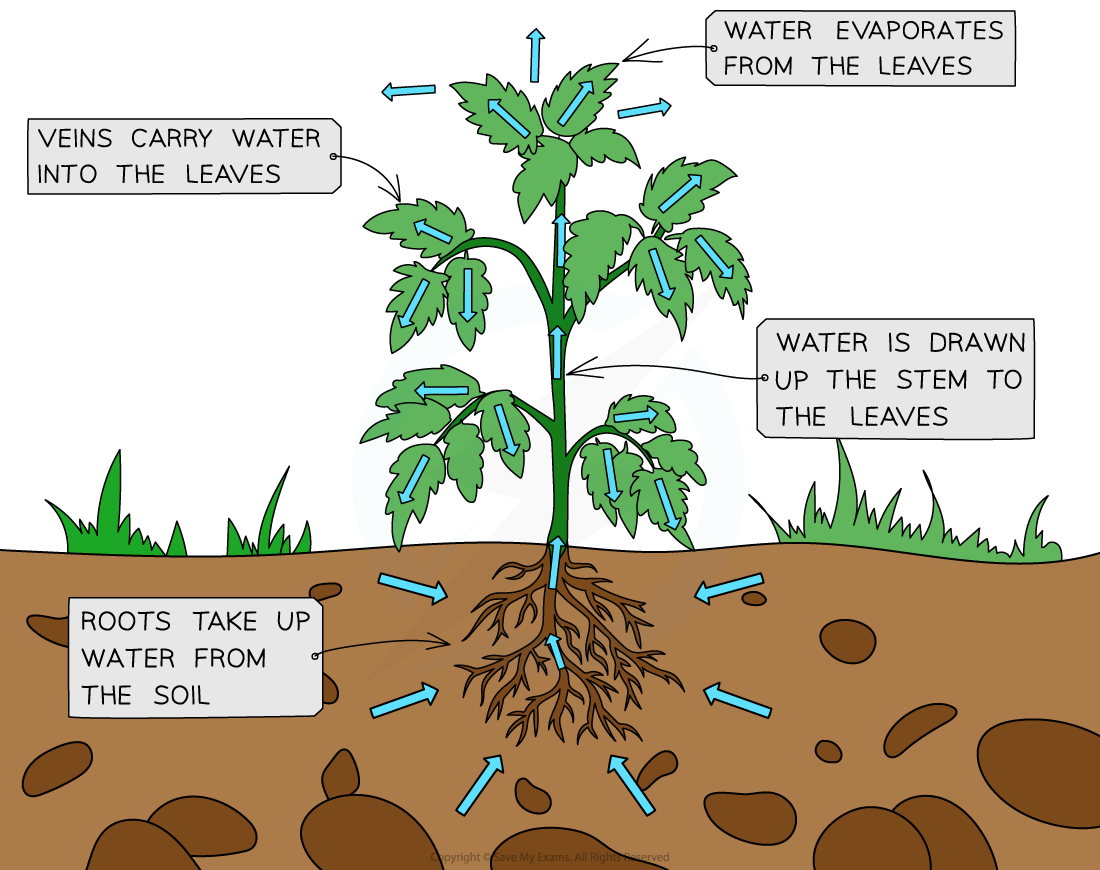
Transpiration Explained The movement of water through a plants xylem is largely due to the evaporation of water vapour from the leaves and the cohesive and adhesive properties exhibited by w...
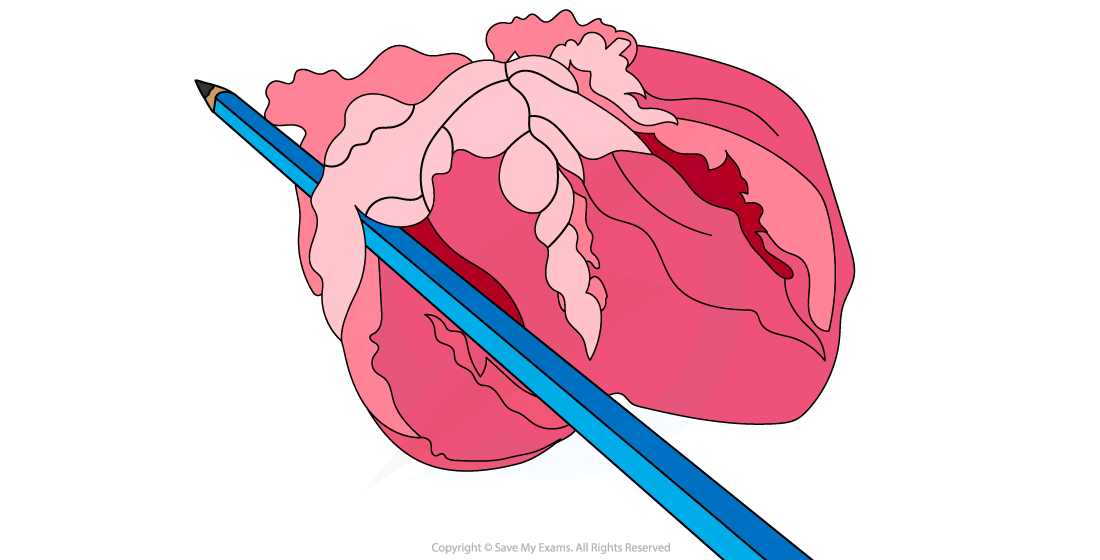
Required Practical: Dissections Dissections are a vital part of scientific research They allow for the internal structures of organs to be examined so that theories can be made about how the...
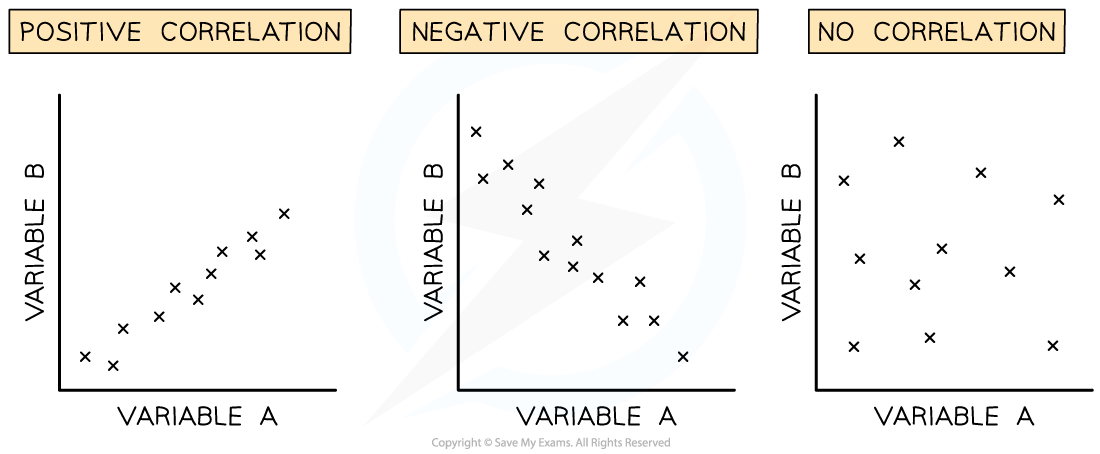
Correlations & Causal Relationships - The Heart Correlation is an association or relationship between variables Causation occurs when one variable has an influence or is influenced by, a...
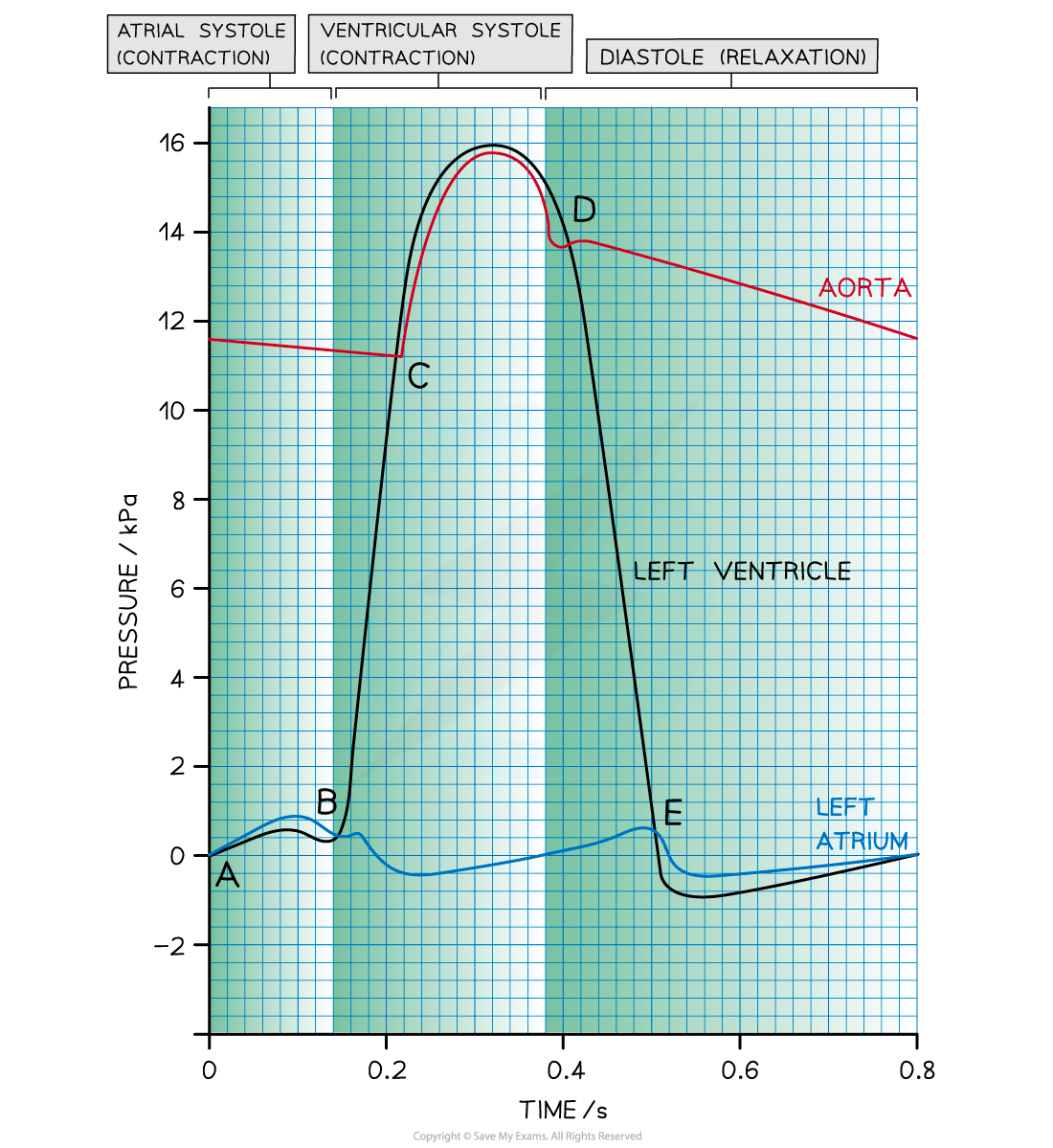
Interpreting Data Relating to the Cardiovascular System A cardiac cycle is the sequence of events that make up a single heartbeat It includes periods of heart muscle contraction and relaxati...
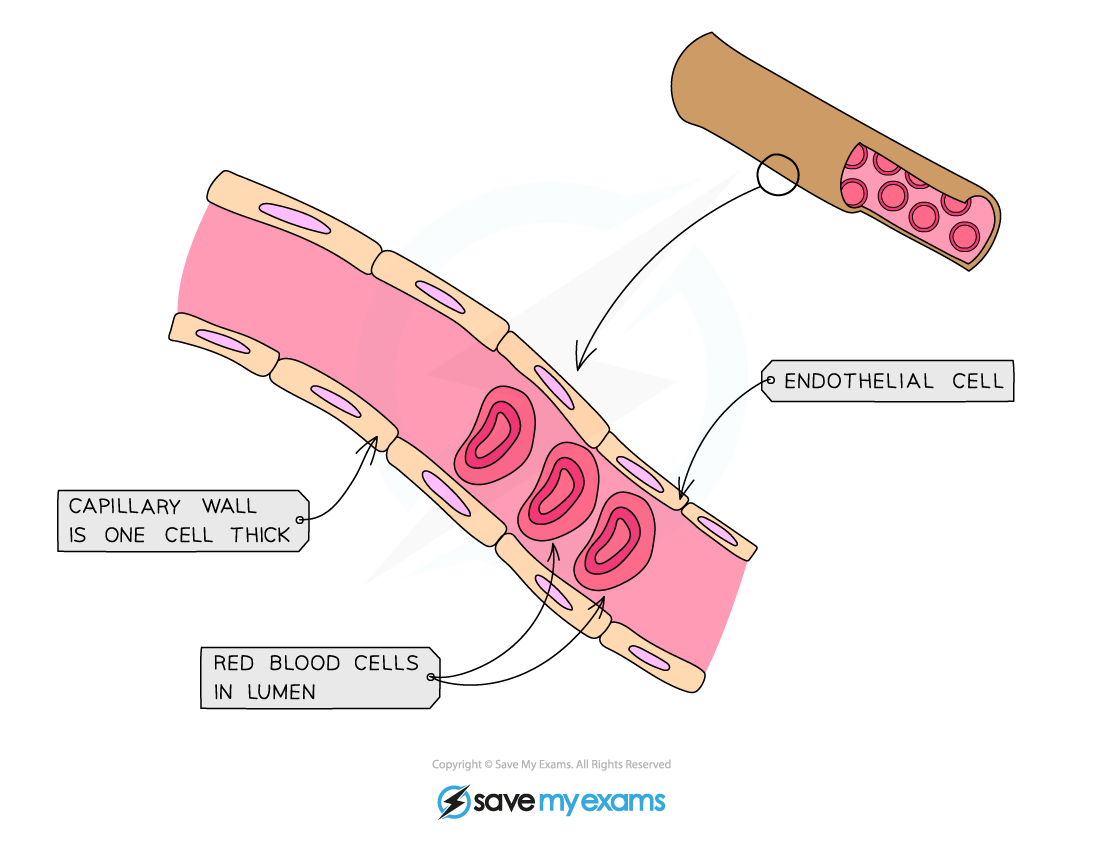
Capillaries & Tissue Fluid Capillaries are another type of blood vessel present in the circulatory system They have thin walls which are “leaky”, allowing substances to leave the blood t...





