AQA A Level Chemistry复习笔记4.2.2 Identifying Anions & Cations
Identifying Anions & Cations REQUIRED PRACTICAL 4 Test Tube Reactions Simple test tube reactions can be done to identify the following ions: Group 2 ions (M2+) Ammonium ions (NH4+) Halid...
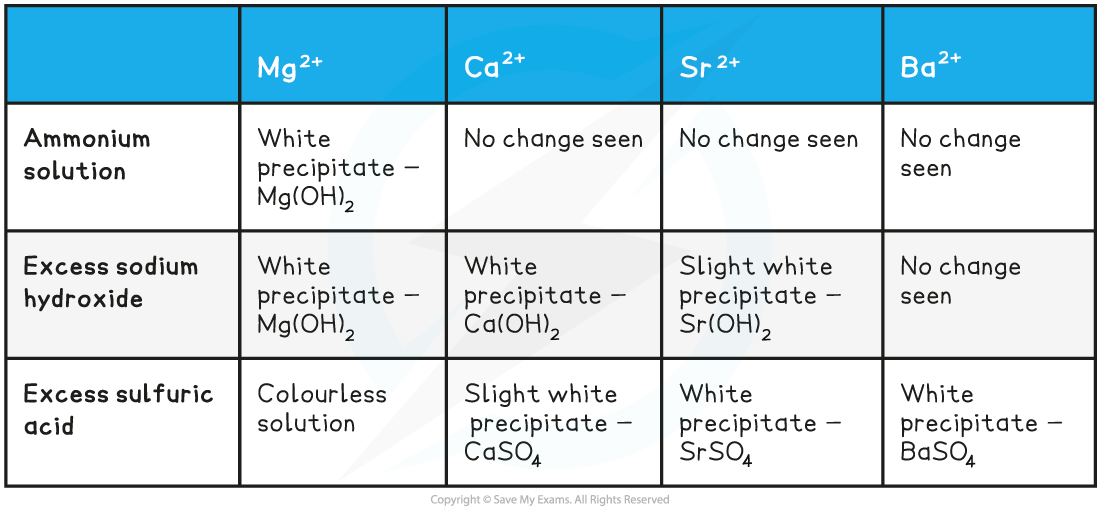
Identifying Anions & Cations REQUIRED PRACTICAL 4 Test Tube Reactions Simple test tube reactions can be done to identify the following ions: Group 2 ions (M2+) Ammonium ions (NH4+) Halid...

Rate of Reaction REQUIRED PRACTICAL 3 Factors which affect the rate of a chemical reaction During a reaction, the reactants are used up and changed into the products The rate of a chemical r...
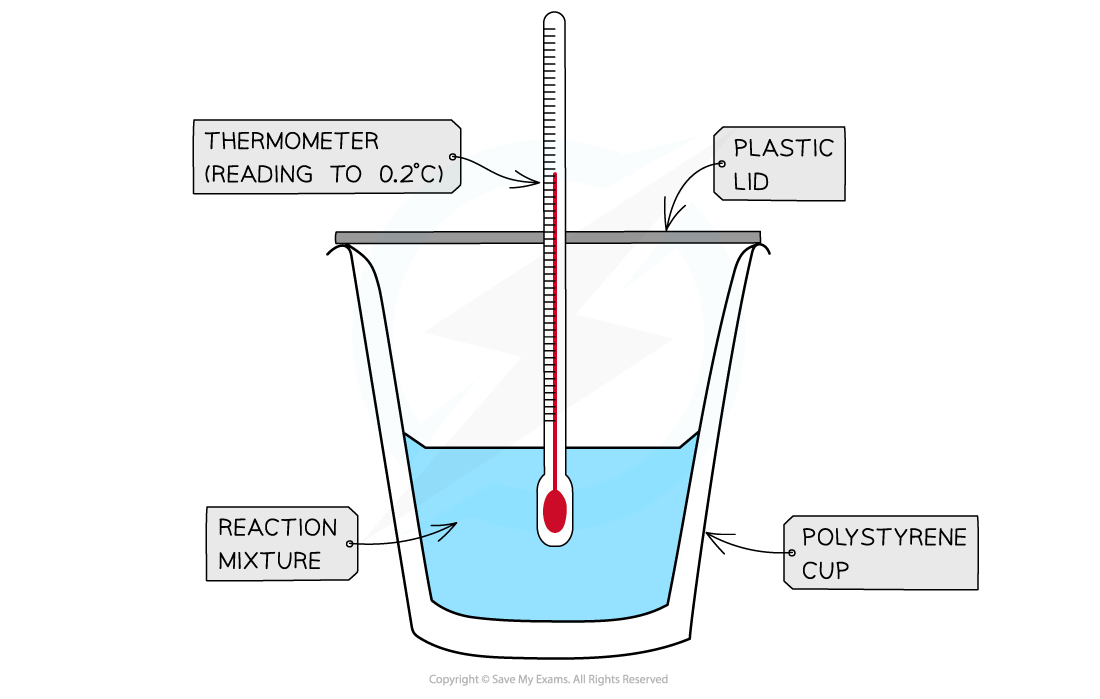
Measurement of an Enthalpy Change REQUIRED PRACTICAL 2 Measuring enthalpy changes Calorimetry is a technique used to measure changes in enthalpy of chemical reactions A calorimeter can be ma...
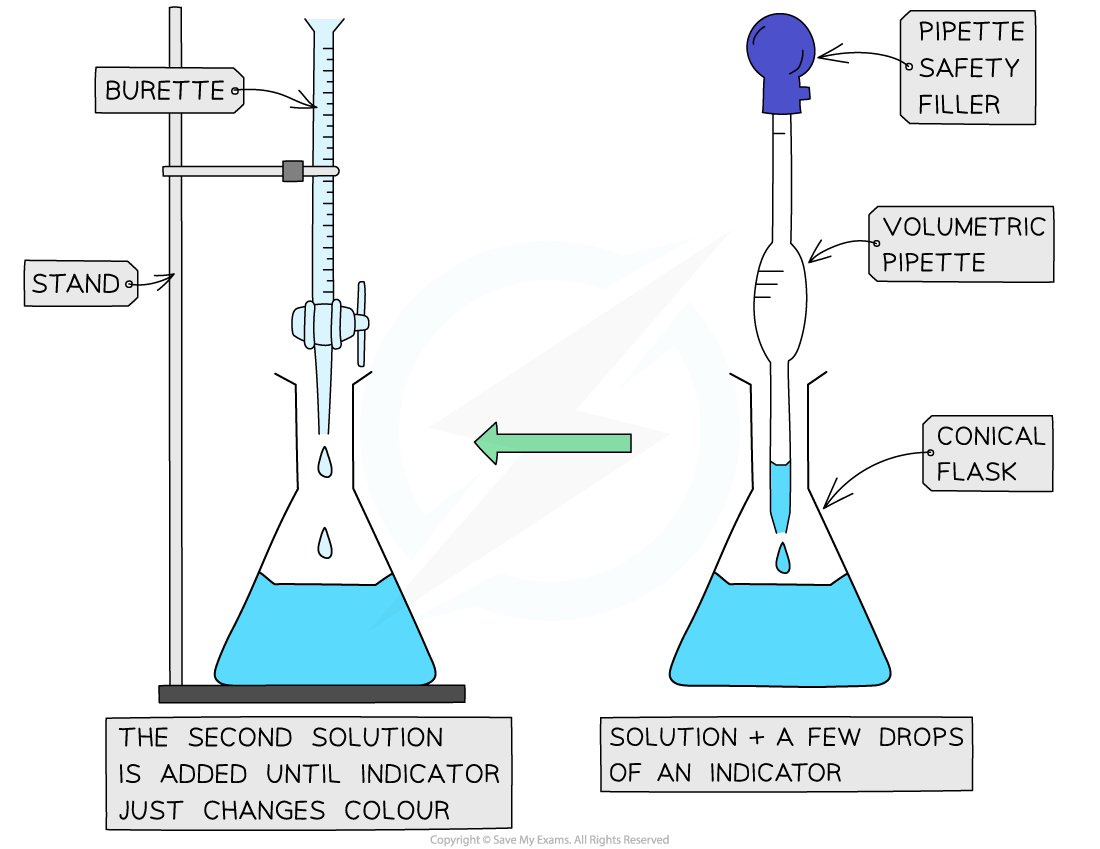
Volumetric Analysis REQUIRED PRACTICAL 1 Performing the Titration The key piece of equipment used in the titration is the burette Burettes are usually marked to a precision of 0.10 cm3 Since...
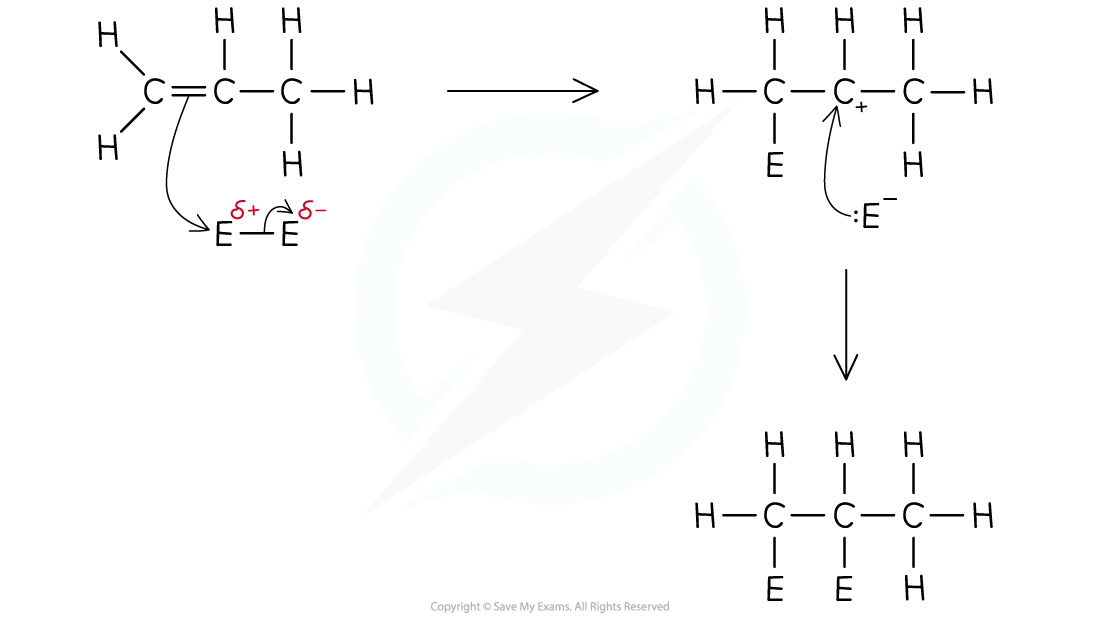
Mechanism: Electrophilic Addition Electrophilic addition Alkenes undergo electrophilic addition reactions In an electrophilic addition reaction, two reactants form only one product So, elect...
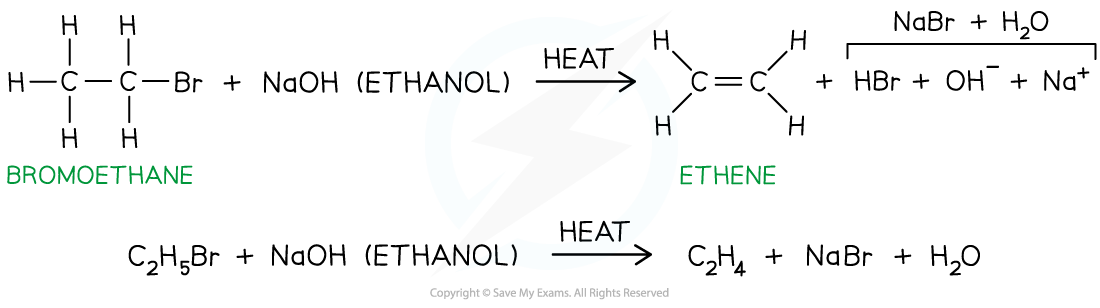
Mechanism: Elimination In an elimination reaction, a small molecule is removed leaving behind an alkene This is another reaction of halogenoalkanes The halogenoalkanes are heated with ethano...
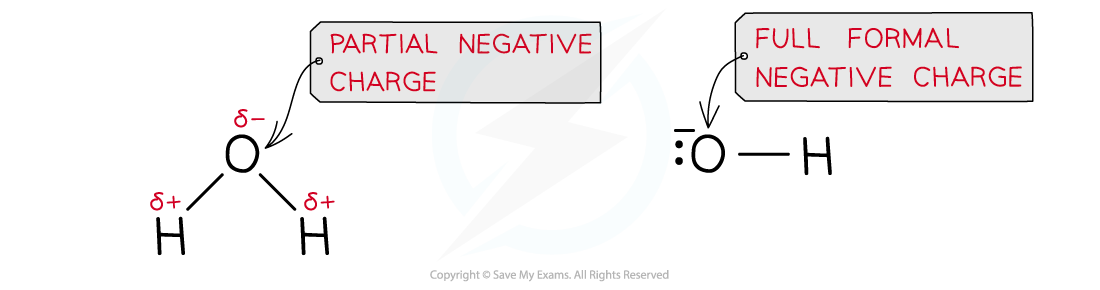
Mechanism: Nucleophilic Substitution A nucleophile is an electron-rich species that can donate a pair of electrons ‘Nucleophile’ means ‘nucleus/positive charge loving’ as nucleophiles are at...
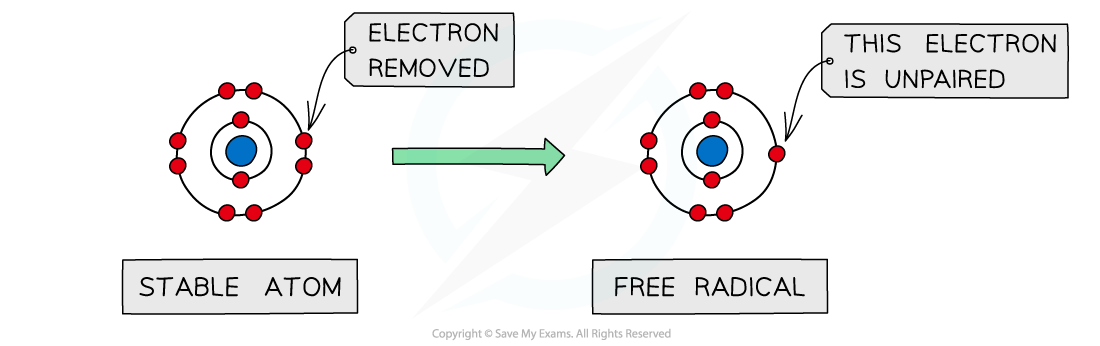
Mechanism: Free Radical Substitution Chain reactions A free radical is a species with one (or more than one) unpaired electrons The diagram shows a free radical which has one unpaired electr...

Interpreting a Mass Spectrum Mass spectroscopy is an analytical technique used to identify unknown compounds The molecules in the small sample are bombarded with high energy electrons which ...





