AQA A Level Maths: Pure复习笔记2.2.1 Quadratic Graphs
Quadratic Graphs What are quadratic graphs? The general equation of a quadratic graph is Their shape is called a parabola ("U" shape) Positive quadratics have a value of so the parabola is u...

Quadratic Graphs What are quadratic graphs? The general equation of a quadratic graph is Their shape is called a parabola ("U" shape) Positive quadratics have a value of so the parabola is u...
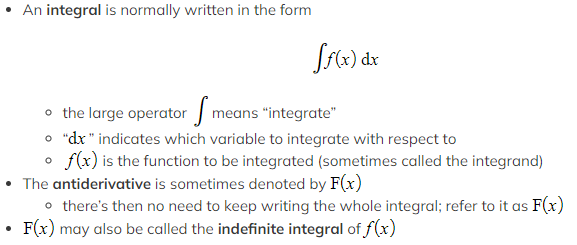
Introduction to Integration What is integration? Integration is the opposite to differentiation Integration is referred to as antidifferentiation The result of integration is referred to as the ant...
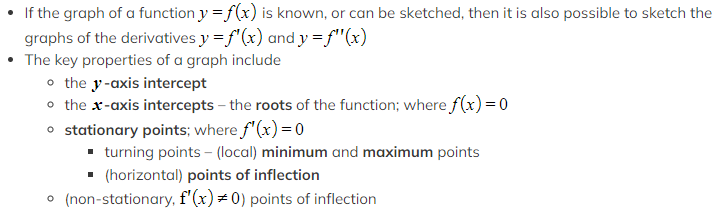
Derivatives & Graphs How are derivatives and graphs connected? asymptotes – vertical and horizontal intervals where the graph is increasing and decreasing intervals where the graph is concave d...
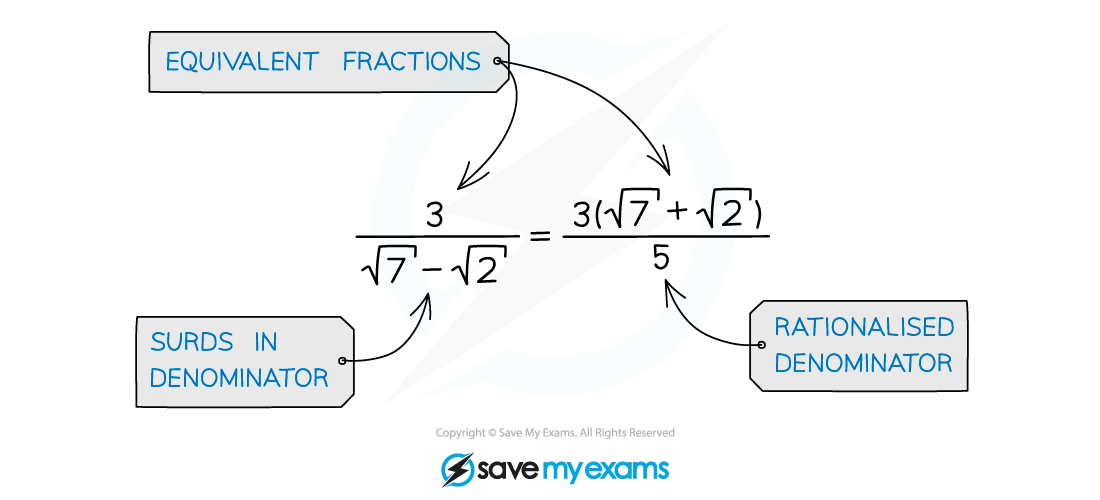
Surds - Rationalising the Denominator What does it mean to rationalise a denominator? Rationalising a denominator changes a fraction with surds in its denominator, into an equivalent fractio...
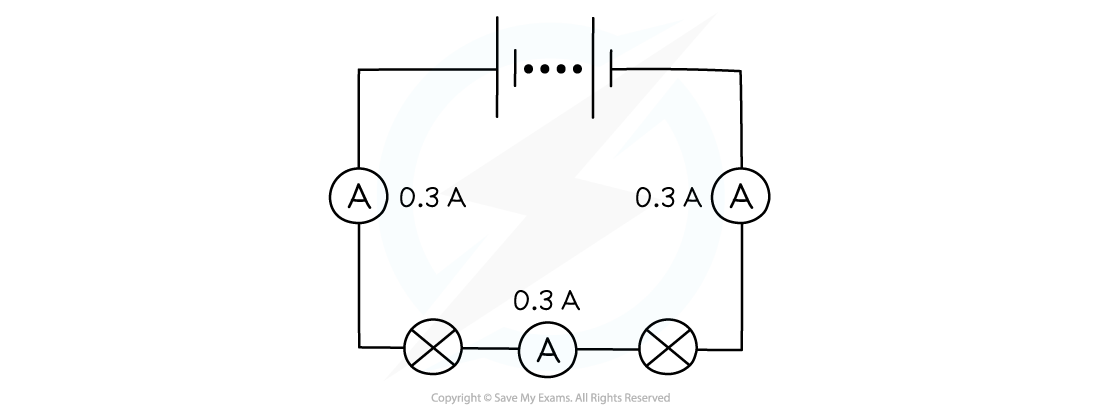
Edexcel IGCSE Physics 复习笔记 2.2.1 Current in Series & Parallel Current in Series Circuits In a circuit that is a closed-loop, such as a series circuit, the current is the same value a...

Concavity of a Function What is concavity? Concavity is the way in which a curve (or surface) bends Mathematically,CONCAVE DOWN is often called concave CONCAVE UP is often called convex Exam...
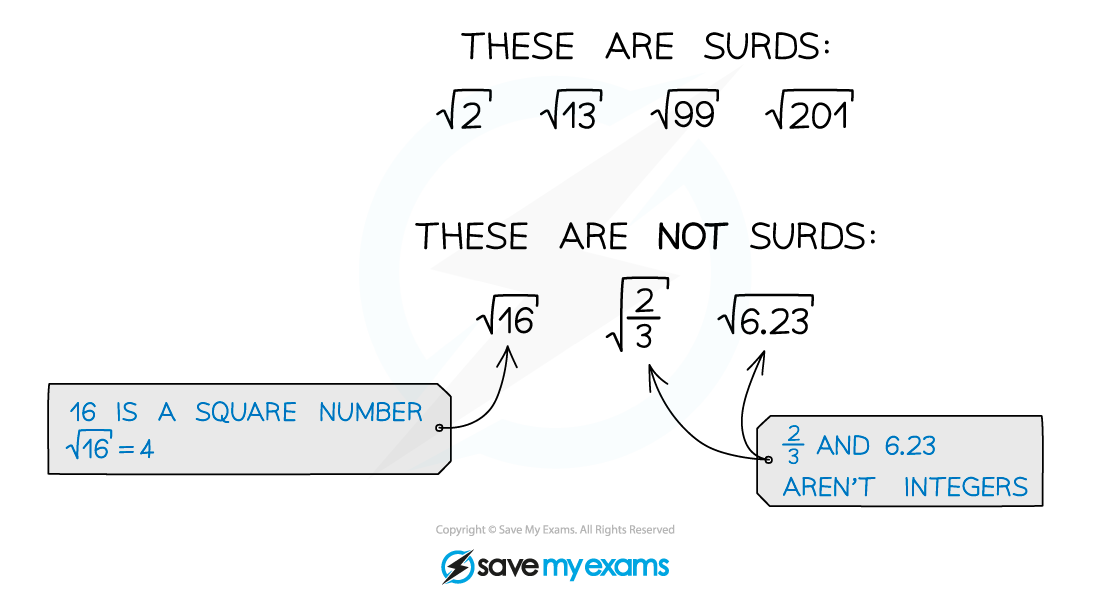
Manipulating Surds What are surds? If n is a positive integer and is not a square number, then √n (or any multiple of √n ) is a surd Surds are examples of irrational numbers What do I need t...

如果你也有这样的感想: “SAT要考到1500才能学这门科目吗?” “5分率这么低真的能学明白吗?” “这essay到底怎么写啊?” 那么这篇文章你绝对不得不看!AP英语语言与写作vs英语文学与写作,让不少APer头痛又纠结的科...
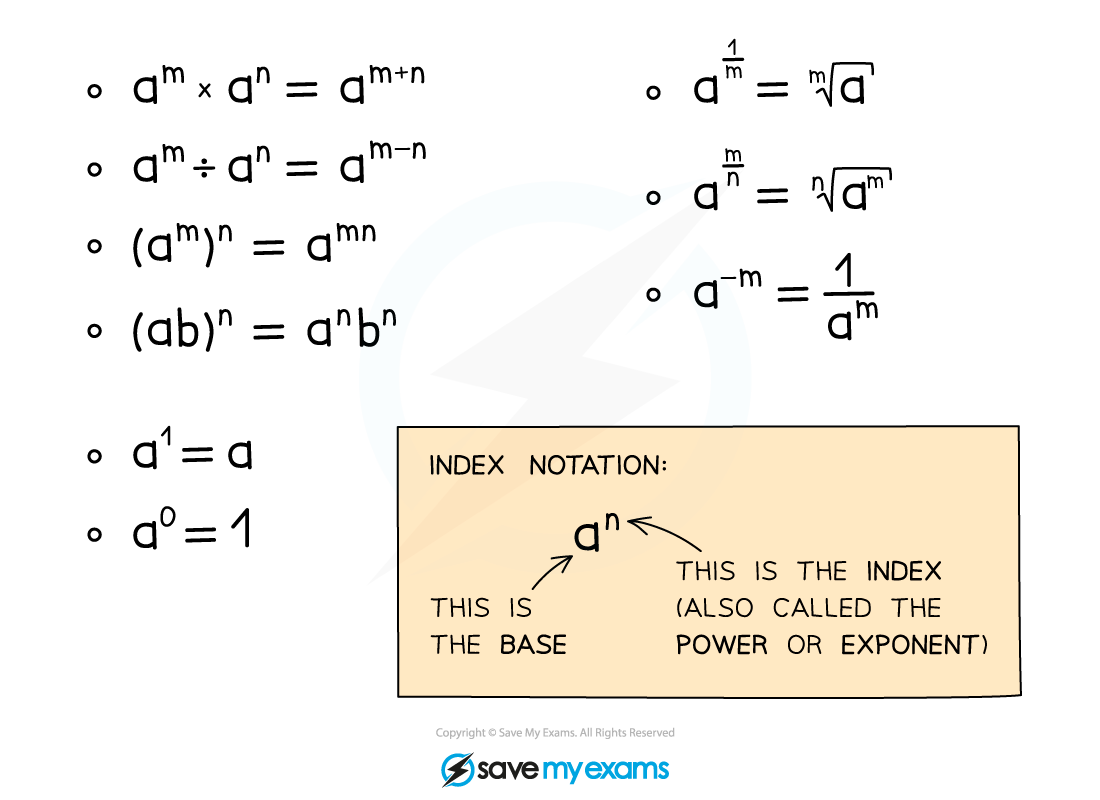
Laws of Indices What do I need to know about laws of indices? Laws of indices (or index laws – 'index' is the singular, 'indices' is the plural) allow you to simplify and manipulate expressi...





