EDEXCEL IGCSE CHEMISTRY: DOUBLE SCIENCE 复习笔记:1.7.2 Covalent Bonds: Dot & Cross Diagrams

EDEXCEL IGCSE CHEMISTRY: DOUBLE SCIENCE 复习笔记:1.7.2 Covalent Bonds: Dot & Cross Diagrams
Covalent Bonds: Dot & Cross Diagrams
- Covalent substances tend to have small molecular structures, such as Cl2, H2O or CO2
- These small molecules are known as simple molecules
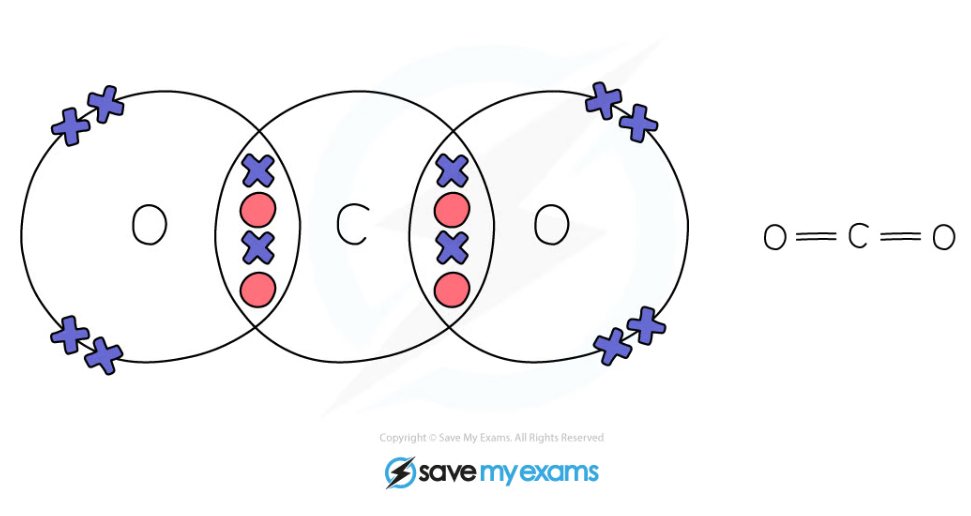
- Small covalent molecules can be represented by dot and cross diagrams
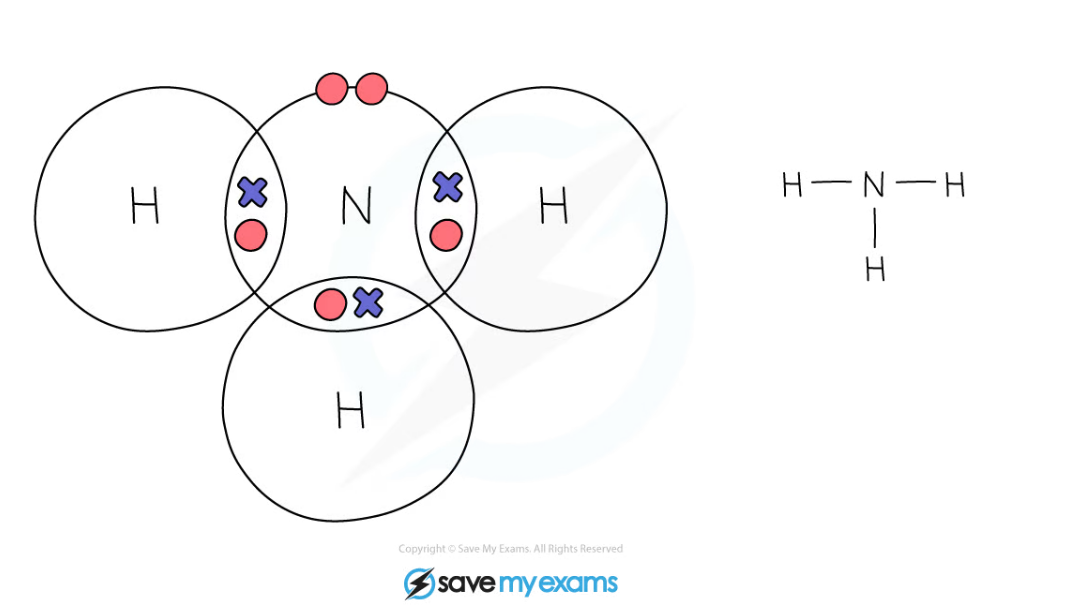
- You need to be able to describe and draw the structures of the following molecules using dot-and-cross diagrams: hydrogen (H2), chlorine (Cl2), oxygen (O2), nitrogen (N2), hydrogen chloride (HCl), water (H2O), ammonia (NH3) and methane (CH4)
- The correct dot and cross diagrams for these molecules are shown below:
Diatomic Molecules
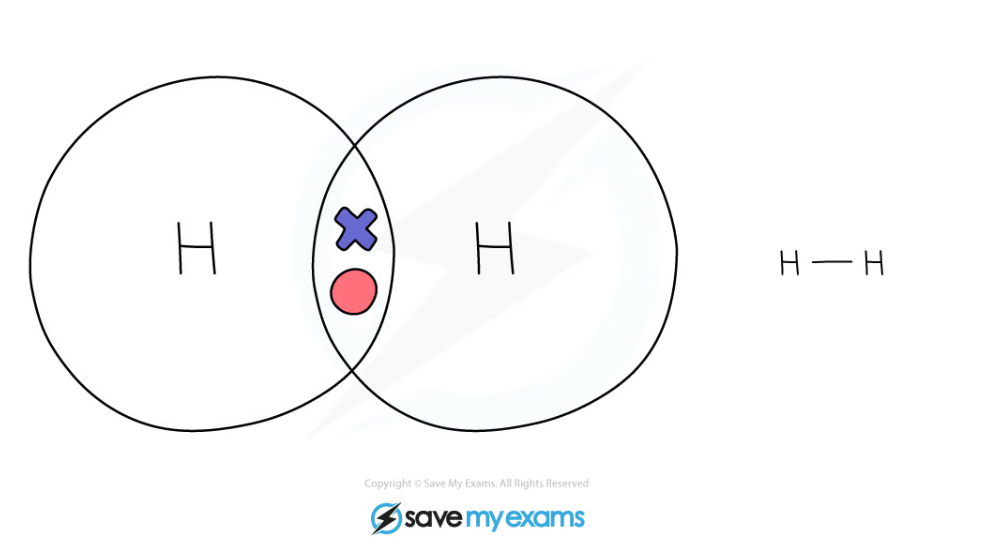
Dot & cross representation of a molecule of hydrogen
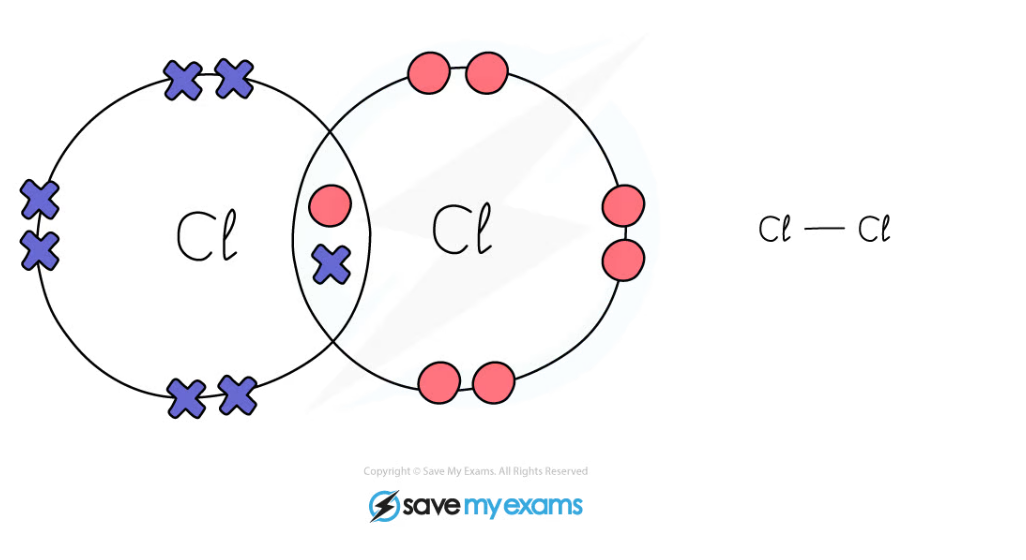
Dot & cross representation of a molecule of chlorine
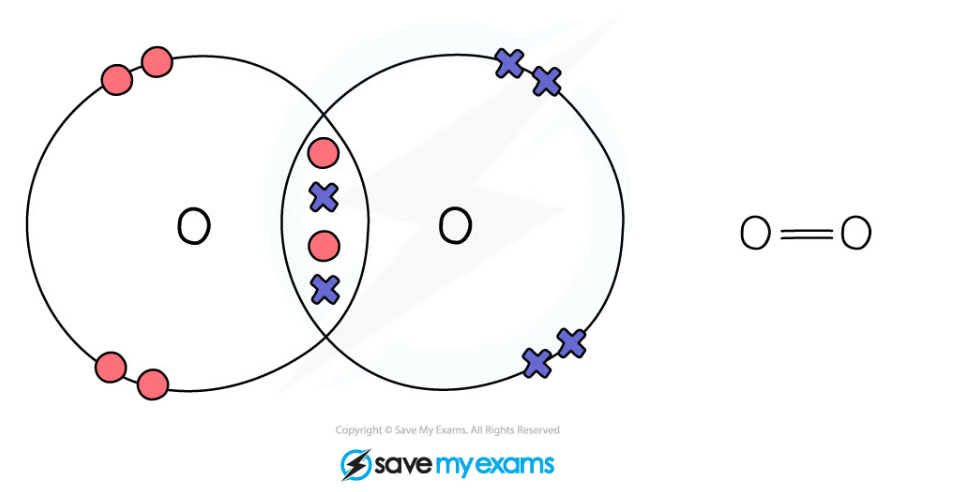
Dot & cross representation of a molecule of oxygen
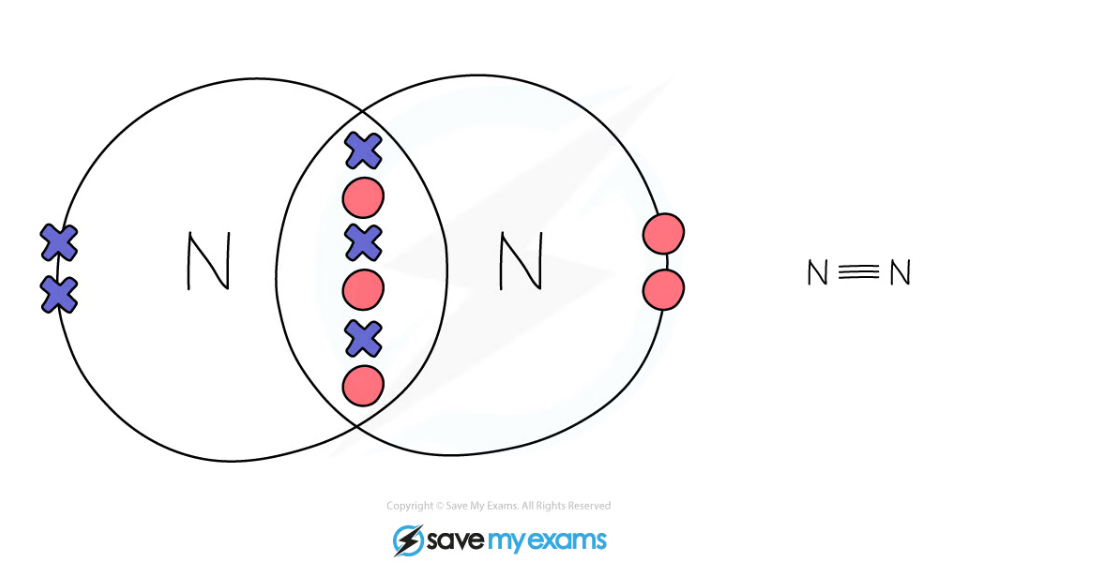
Dot & cross representation of a molecule of nitrogen
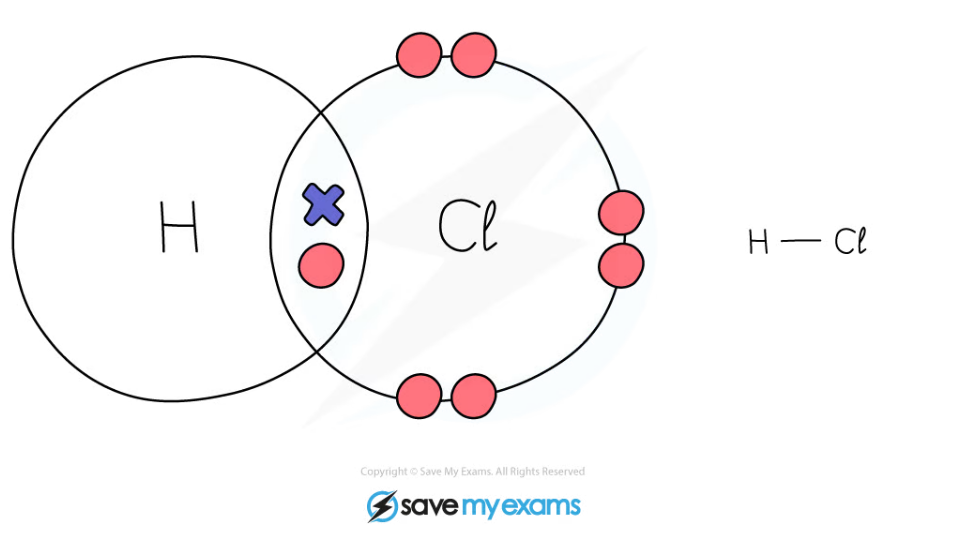
Dot & cross representation of a molecule of hydrogen chloride
Inorganic Molecules
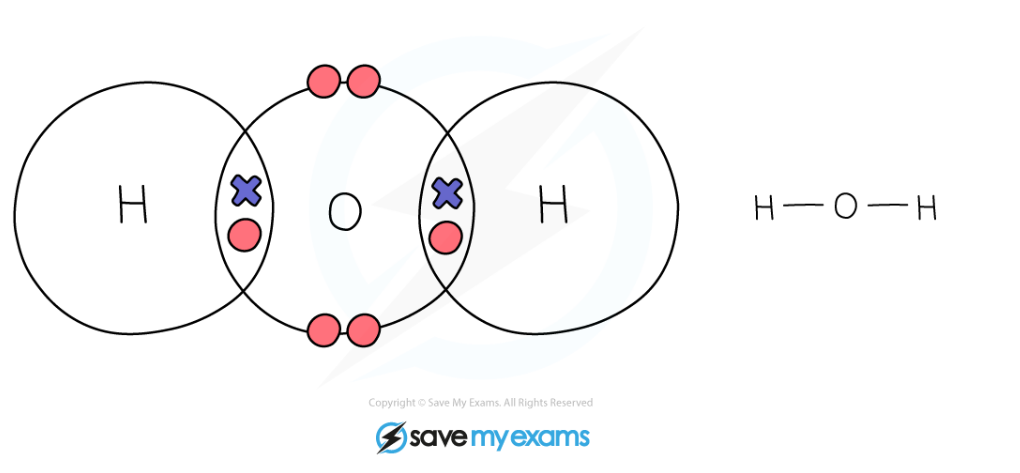
Dot & cross representation of a molecule of water
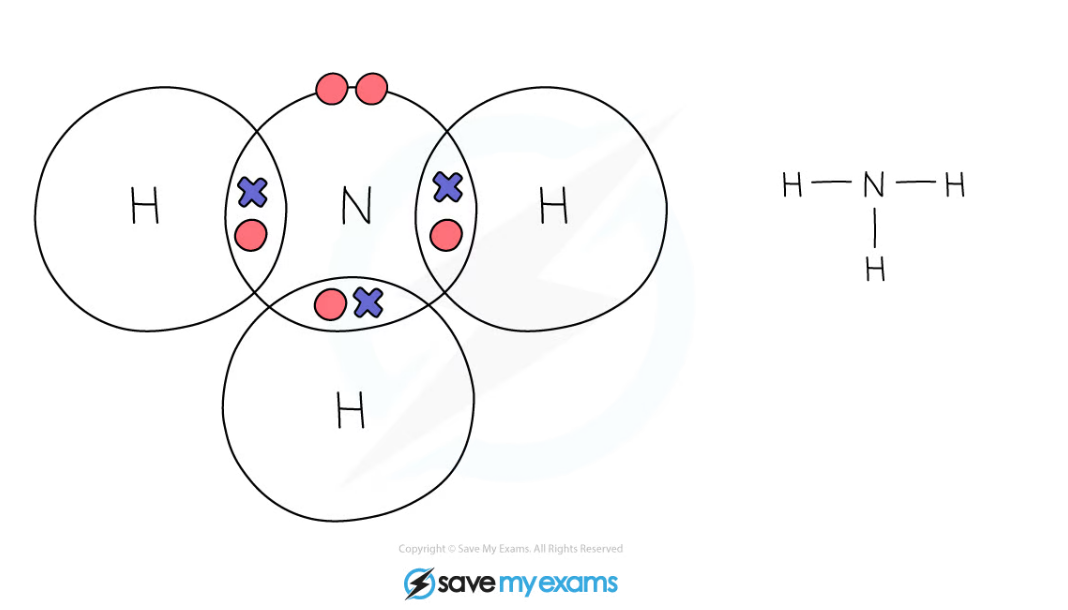
Dot & cross representation of a molecule of ammonia
Dot & cross representation of a molecule of carbon dioxide
Organic Molecules
Dot & cross representation of a molecule of methane
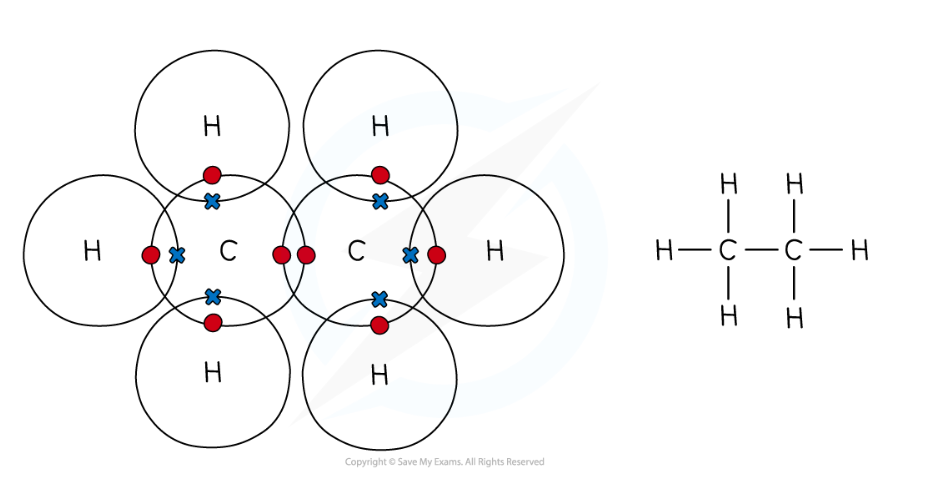
Dot & cross representation of a molecule of ethane
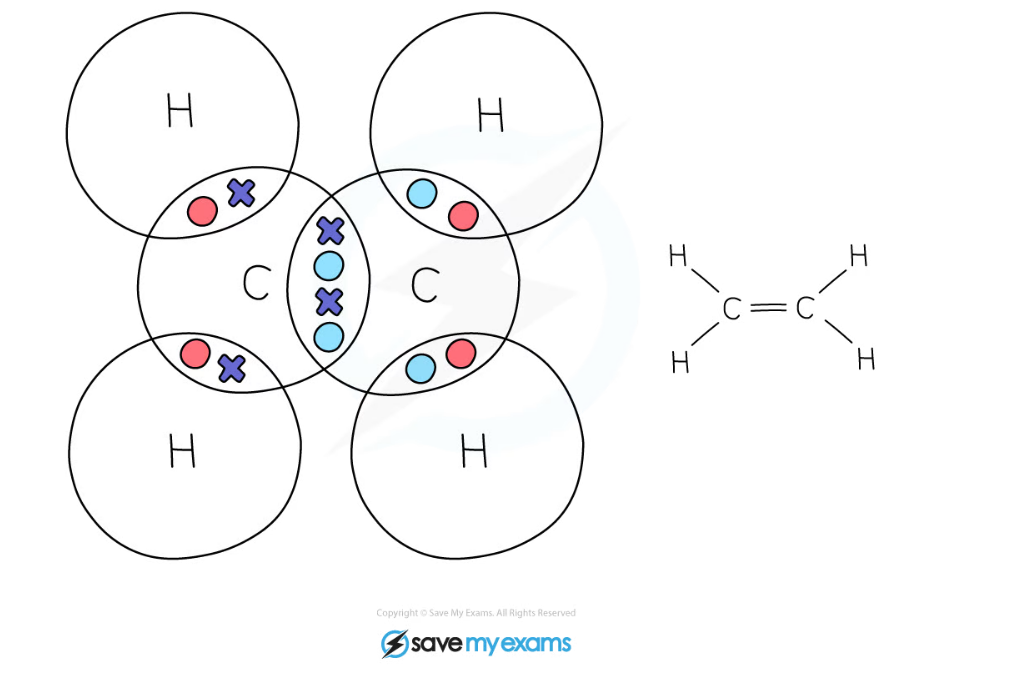
Dot & cross representation of a molecule of ethene
Exam Tip
Simple covalent molecules are small and can be separated into individual molecular units without breaking any chemical bonds (although there will still be strong covalent bonds holding the atoms in each individual molecule together) Giant ionic and covalent structures form huge continuous networks of atoms that are bonded together and cannot be separated into individual units without breaking bonds.
转载自savemyexams
以上就是关于【EDEXCEL IGCSE CHEMISTRY: DOUBLE SCIENCE 复习笔记:1.7.2 Covalent Bonds: Dot & Cross Diagrams】的解答,如需了解学校/赛事/课程动态,可至翰林教育官网获取更多信息。
往期文章阅读推荐:
翰林独家 | 经济学竞赛核心精讲,一册打通NEC/IEO/USAEBO!
IGCSE全A*,A-Level阶段却崩了?别忽视IGCSE选课的重要性!


翰林AMC8视频课重磅上线!

国际竞赛真题资源免费领取






