CIE A Level Chemistry复习笔记1.6.2 Redox Reactions

Balancing Redox Reactions
- Oxidation numbers can be used to balance chemical equations
- Roman numerals between brackets are used to show the ox. no. of an atom that can have multiple oxidation states, eg:
Fe(III) = iron with ox. no. +3
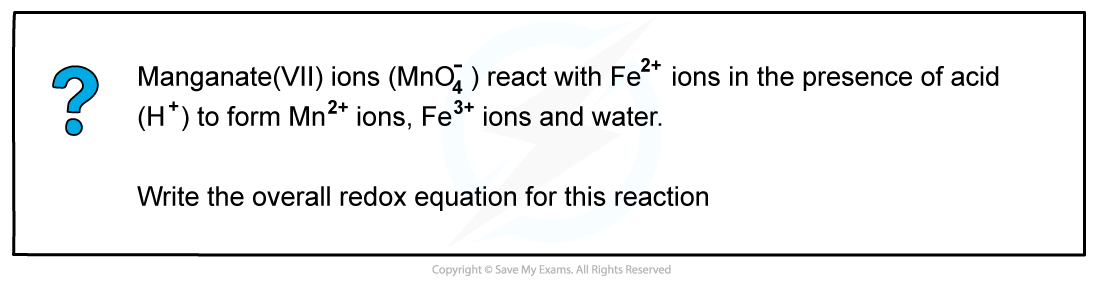
Worked example: Writing overall redox reactions
Answer
- Step 1: Write the unbalanced equation and identify the atoms which change in ox. no.

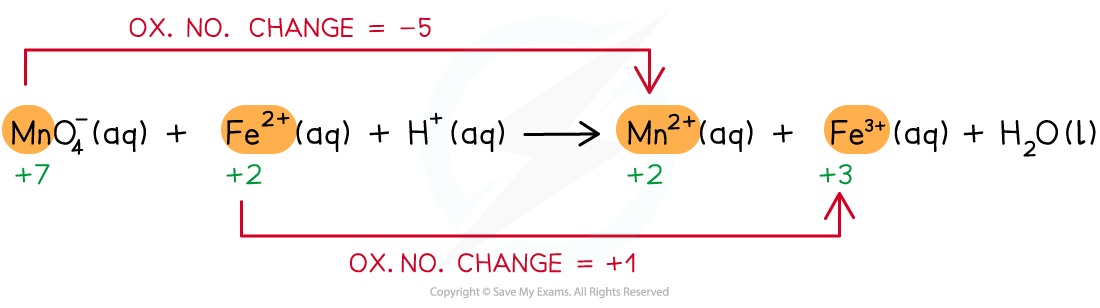
- Step 2: Deduce the ox.no. changes
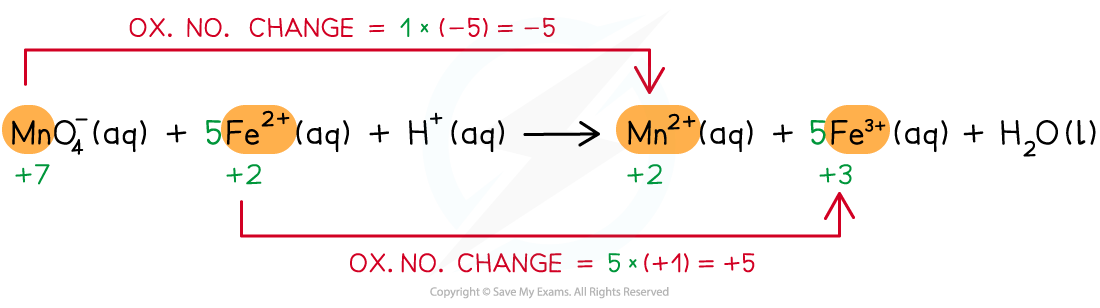
- Step 3: Balance the ox.no. changes
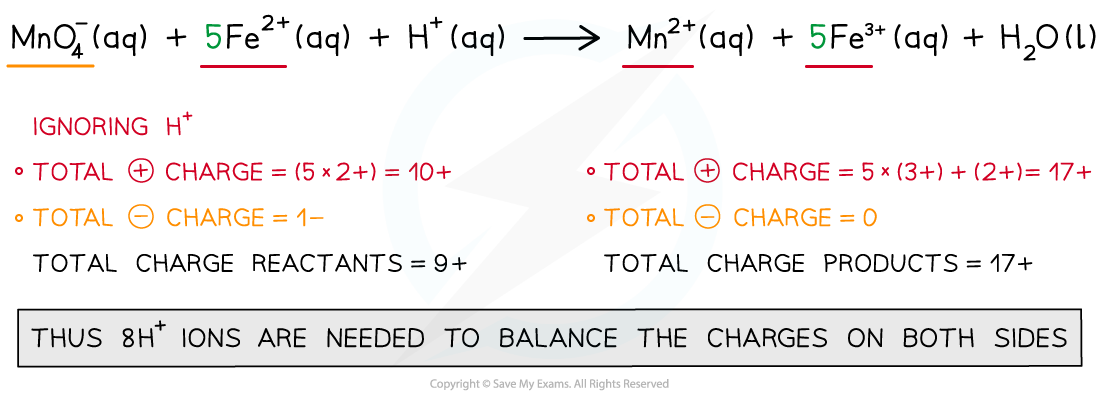
- Step 4: Balance the charges
- Step 5: Balance the atoms

Redox & Disproportionation Reactions
Oxidation
- Oxidation is the gain of oxygen, eg:
Cu + H2O → CuO + H2
(Cu has gained an oxygen and is oxidised)
- Oxidation is also the loss of a hydrogen, eg:
2NH3 + 3Br2 → N2 + 6HBr
(N has lost a hydrogen and is oxidised)
- Oxidation is also the loss of electrons, eg:
Cu2+ → Mg → Mg2+ + Cu
(Mg has lost two electrons and is oxidised)
- Oxidation causes an increase in ox. no., eg:
Cu2+ + Mg → Mg2+ + Cu
(change in ox. no. of Mg is +2 thus Mg is oxidised)
Reduction
- Reduction is the loss of oxygen, eg:
Cu+ H2O → 2CuO + H2
(O has been reduced)
- Reduction is also the gain of a hydrogen, eg:
2NH3+ 3Br2 → N2 + 6HBr
(Br has been reduced)
- Reduction is also the gain of electrons, eg:
Cu2+ + Mg → Mg2+ + Cu
(Cu has been reduced)
- Reduction causes a decrease in oxidation number, eg:
Cu2+ + Mg → Mg2+ + Cu
(change in ox. no. of Cu is -2 thus Cu is reduced)
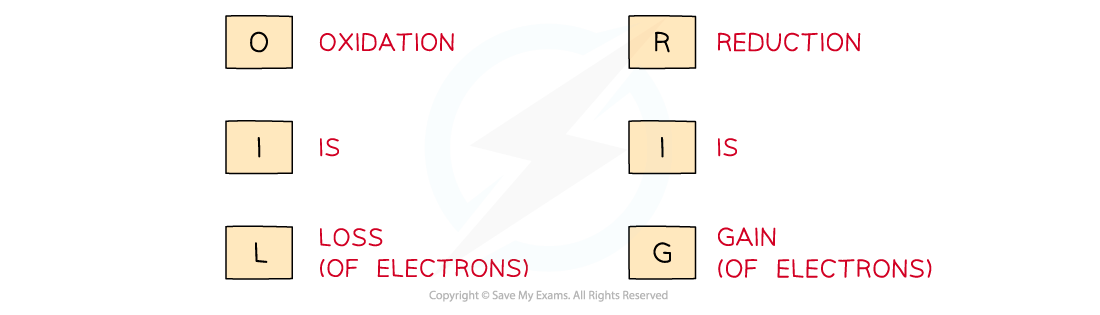
Use the acronym "Oil Rig" to help you remember the definitions of oxidation and reduction
Redox reactions
- Redox reactions are reactions in which oxidation and reduction take place together
- While one species is oxidising, another is reducing in the same reaction, eg:
Cu2++ Mg → Mg2+ + Cu
(Cu has been reduced and Mg has been oxidised)
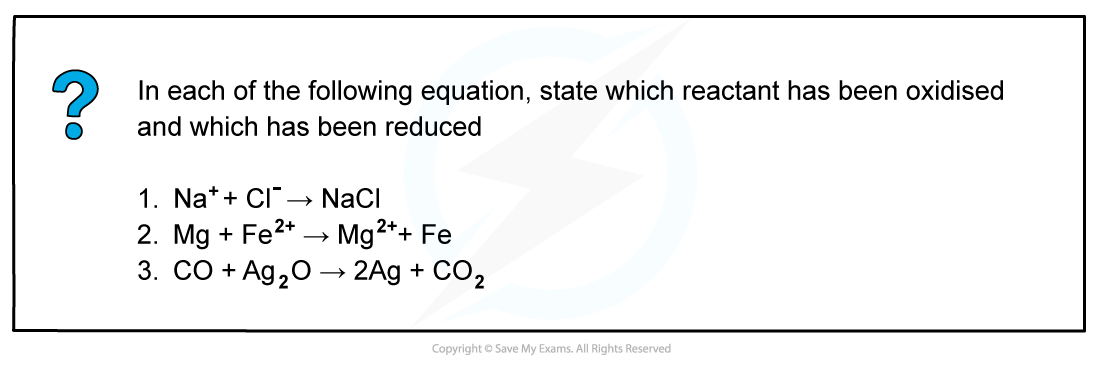
Worked example: Oxidation and reduction
Answer
Answer 1:
Oxidised: Cl- as the ox. no. has increased by 1Reduced: Na+ as the ox. no. has decreased by 1
Answer 2:
Oxidised: Mg as the ox. no. has increased by 2
Reduced: Fe2+ as the ox. no. has decreased by 2
Answer 3:
Oxidised: C as it has gained oxygenReduced: Ag as it has lost oxygen
Disproportionation reactions
- A disproportionation reaction is a reaction in which the same species is both oxidised and reduced
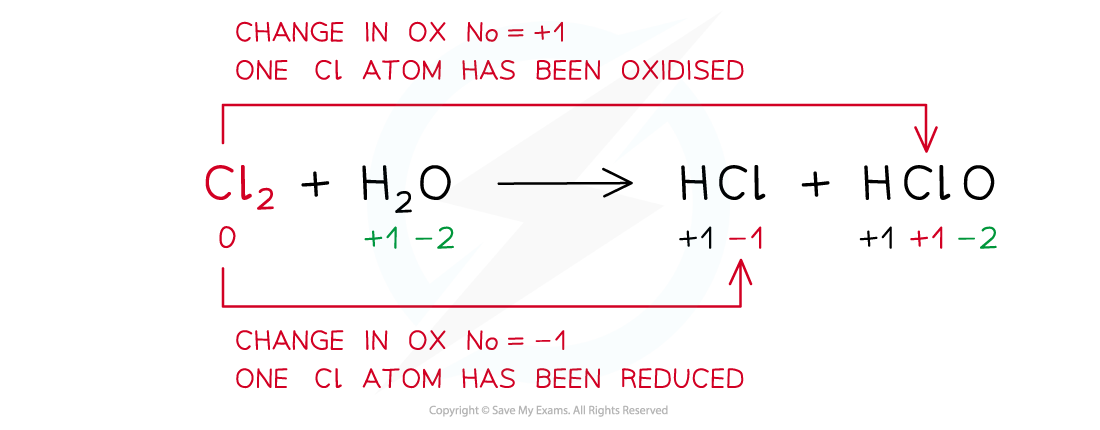 Example of a disproportion reaction in which the same species (chlorine in this case) has been both oxidised and reduced
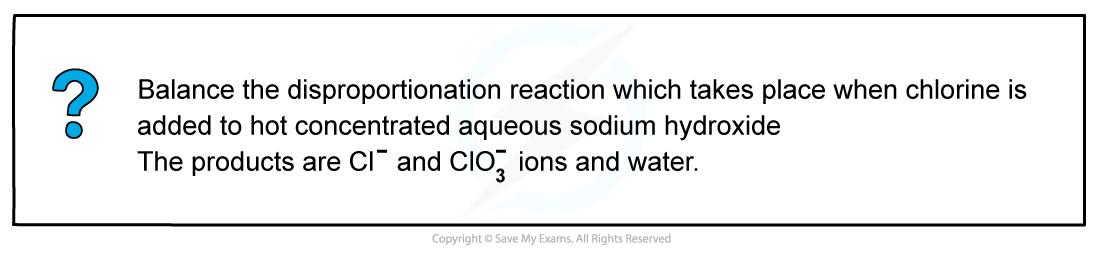
Worked example: Balancing disproportionation reactions
Answer
- Step 1: Write the unbalanced equation and identify the atoms that change in ox. no.

- Step 2: Deduce the ox. no. changes
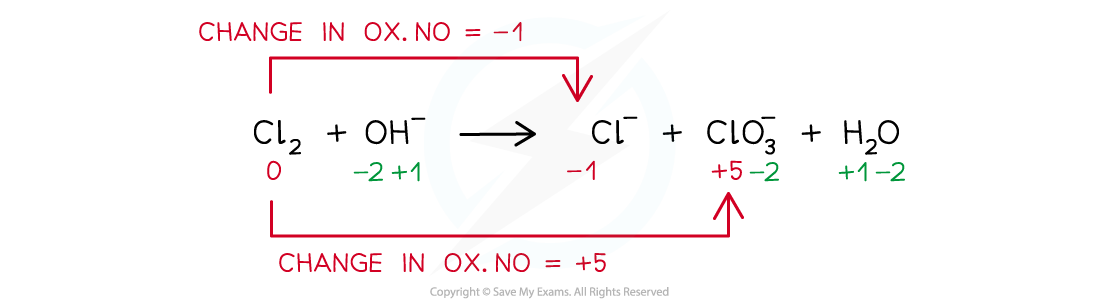
- Step 3: Balance the ox. no. changes

- Step 4: Balance the charges
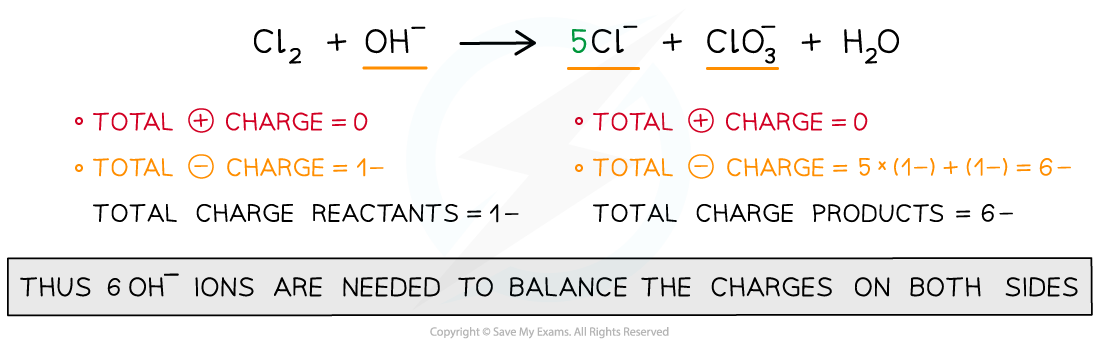
- Step 5: Balance the atoms

转载自savemyexams
以上就是关于【CIE A Level Chemistry复习笔记1.6.2 Redox Reactions】的解答,如需了解学校/赛事/课程动态,可至翰林教育官网获取更多信息。
往期文章阅读推荐:
翰林独家 | 经济学竞赛核心精讲,一册打通NEC/IEO/USAEBO!
2026 ALEVEL 夏考A率出炉!爱德思vs牛津AQA,哪些科目真的“好出分”?


翰林AMC8视频课重磅上线!

国际竞赛真题资源免费领取






